Exploring historical maps is a fascinating way to learn about the past. One such map that offers a glimpse into the early days of the United States is the 1776 map of the United States.
Created during a pivotal moment in American history, the 1776 map of the United States provides valuable insights into the geography and boundaries of the newly formed nation. It showcases the original 13 colonies and their territories, offering a snapshot of the country’s early development.
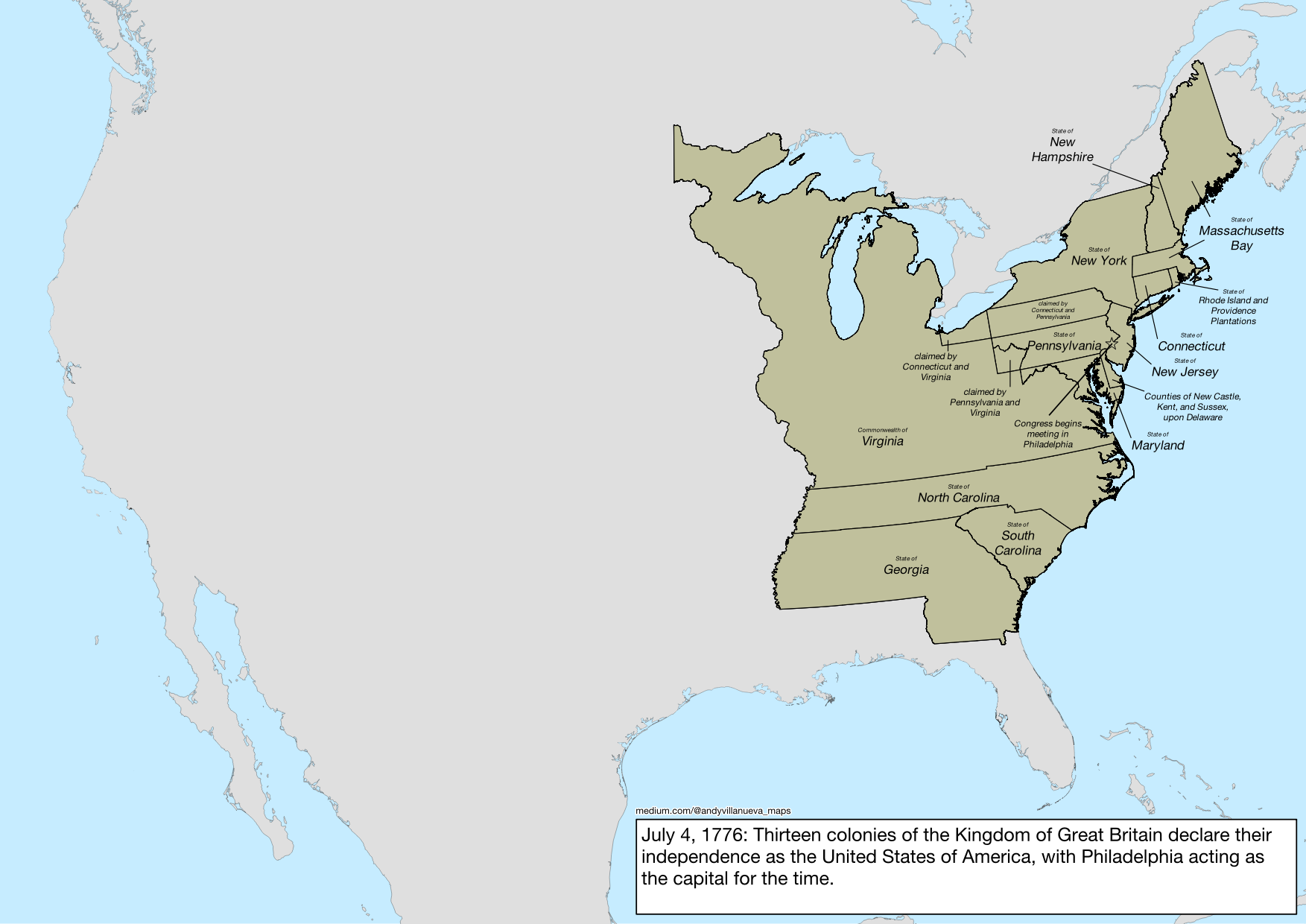
1776 map of the united states
Understanding the 1776 Map of the United States
One of the key features of the 1776 map is its depiction of the boundaries of the United States at that time. It highlights the vast expanse of land that was yet to be explored and settled, giving us a glimpse into the challenges faced by early settlers.
Additionally, the 1776 map of the United States showcases major cities, rivers, and mountain ranges, providing a comprehensive view of the country’s landscape. This valuable historical document offers a unique perspective on how the United States looked in its formative years.
By studying the 1776 map of the United States, we can gain a deeper appreciation for the challenges and triumphs of the early American settlers. It serves as a reminder of the courage and determination that shaped the nation we know today.
In conclusion, the 1776 map of the United States is more than just a historical artifact – it is a window into the past that helps us understand the roots of our nation. Exploring this map allows us to connect with the early pioneers who laid the foundation for the country we live in today.
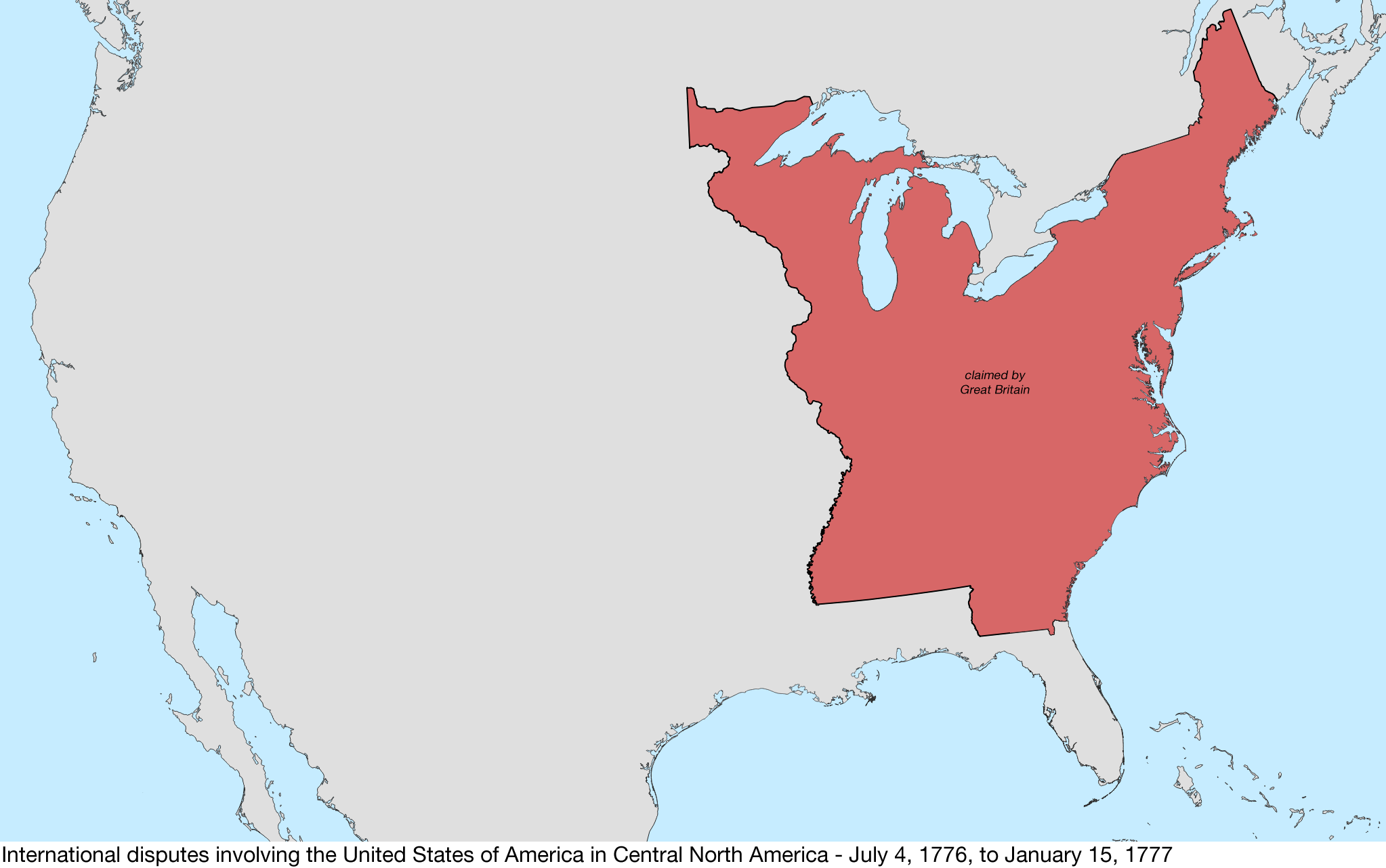
File United States Central Disputes 1776 07 04 To 1777 01 15 png Wikimedia Commons
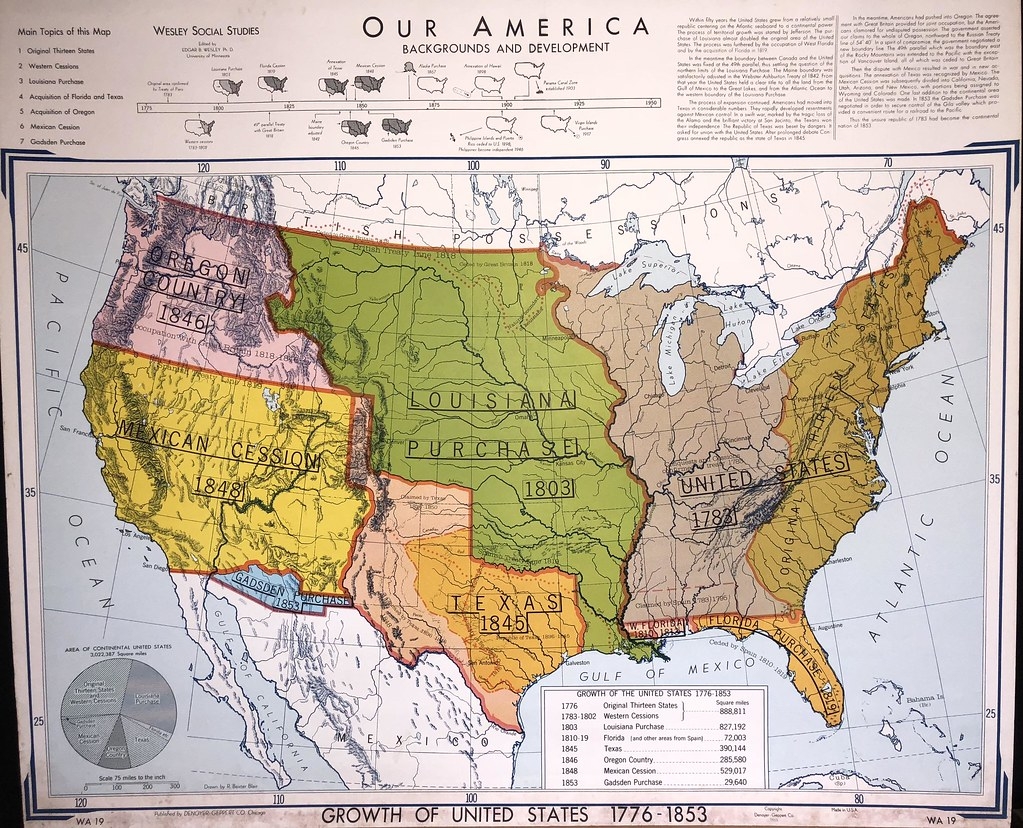
Growth Of United States 1776 1853 Vivid Maps
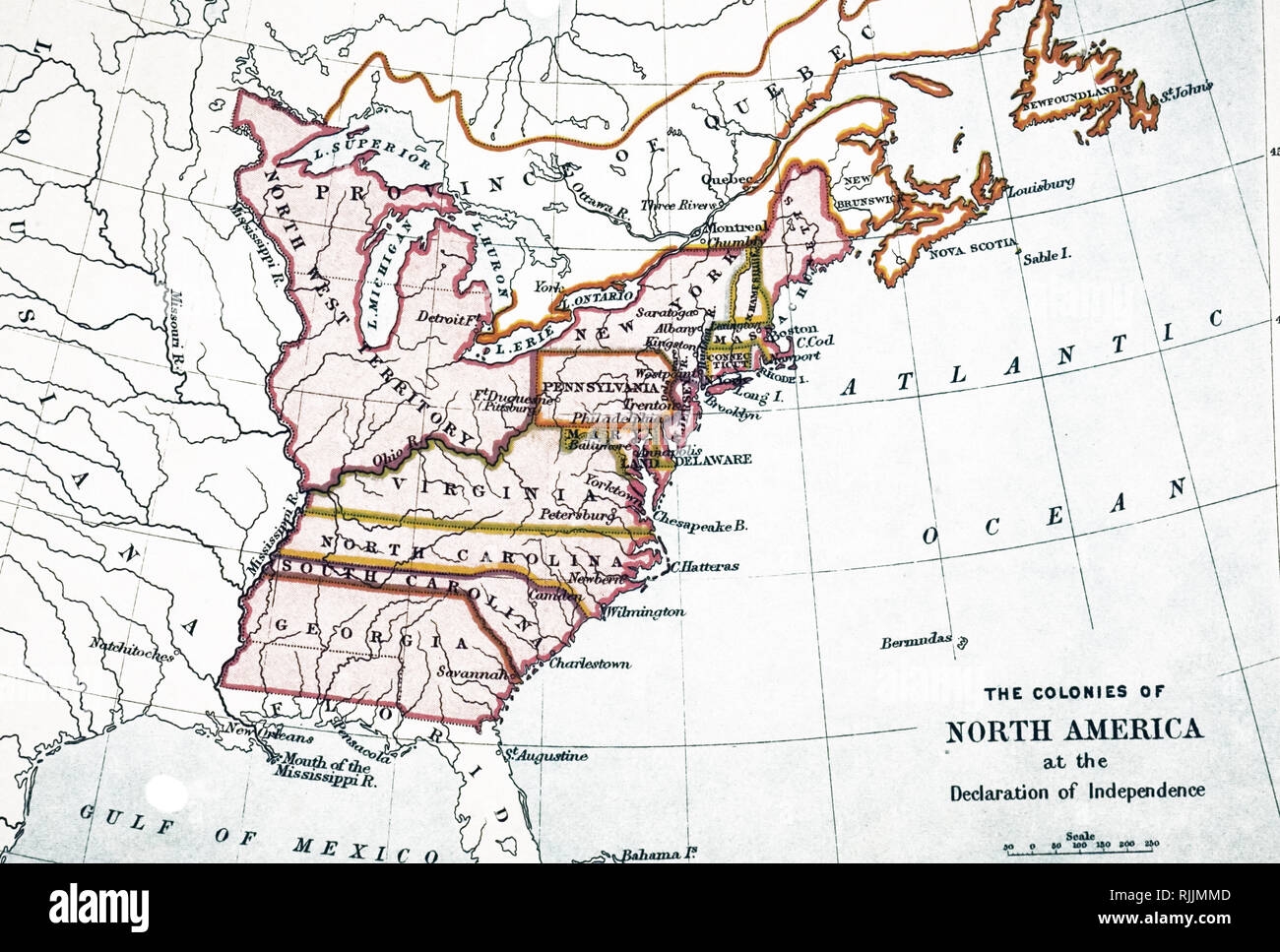
A Map Of The United States On The Eve Of Independence 3rd July 1776 Dated 18th Century Stock Photo Alamy
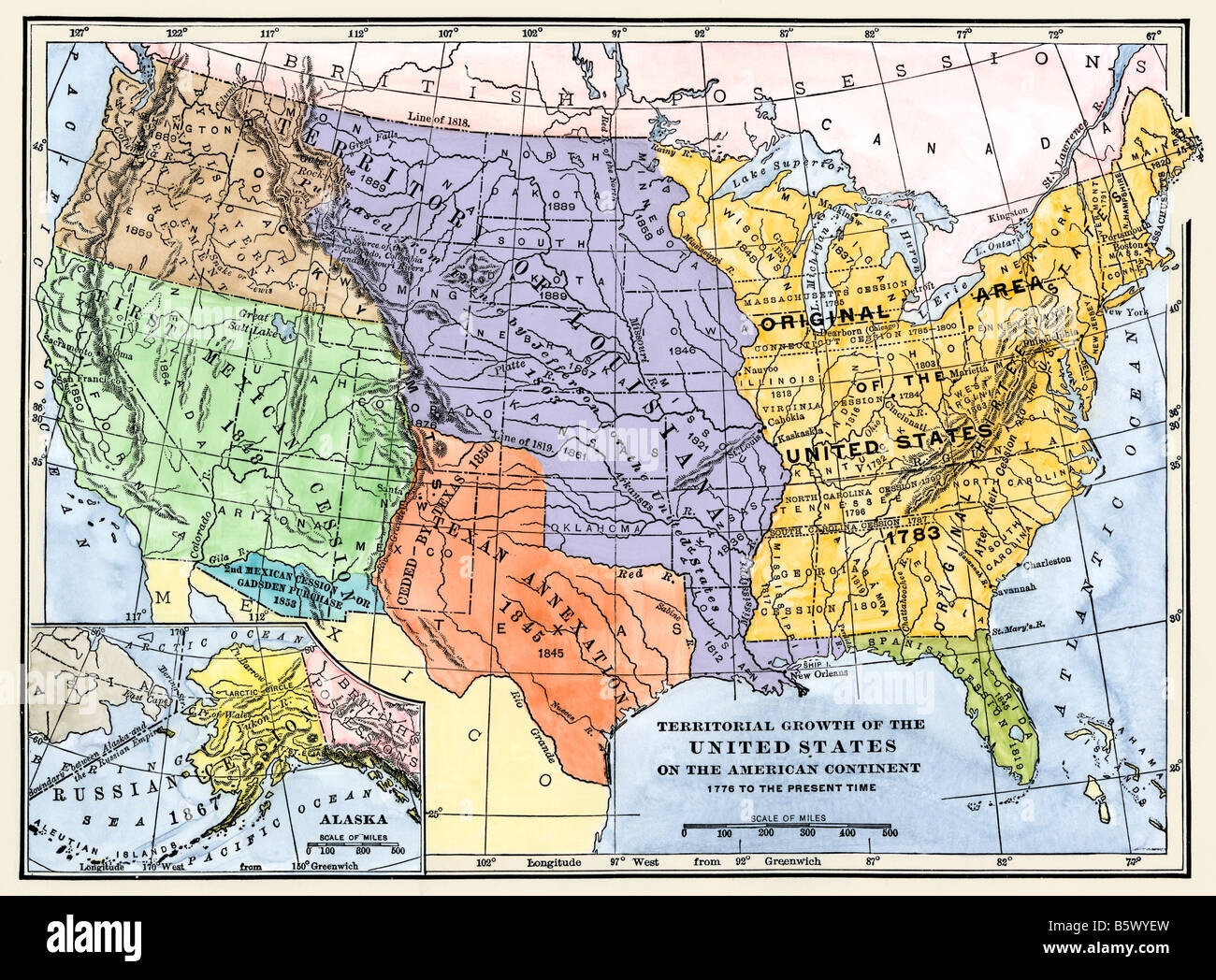
Map Showing Territorial Growth Of The Continental US 1776 To 1899 Hand colored Woodcut Stock Photo Alamy
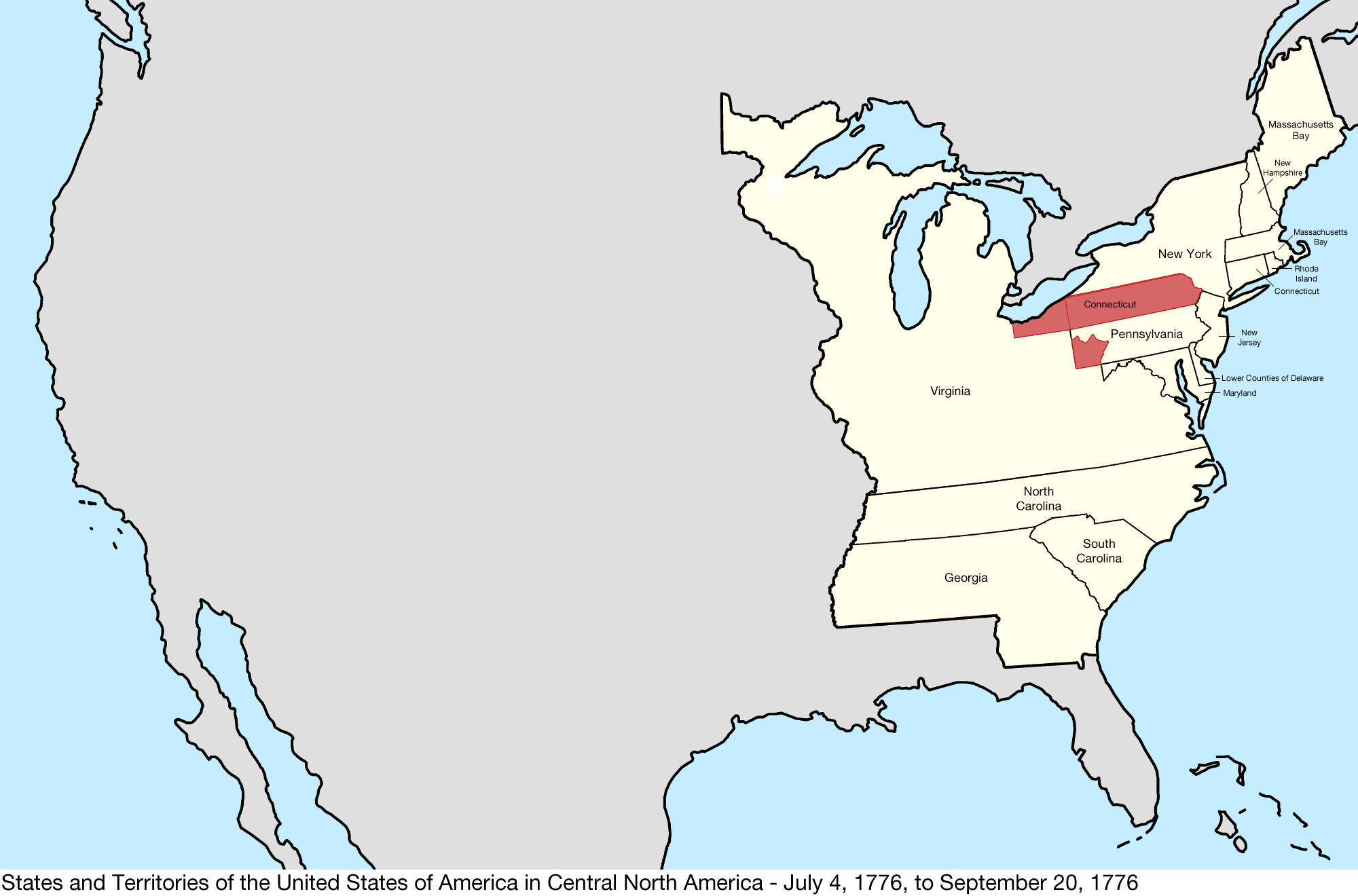
File United States Central Map 1776 07 04 To 1776 09 20 png Wikimedia Commons