Have you ever wondered about the history of Constantinople and how it shaped the world map? This ancient city, now known as Istanbul, played a crucial role in connecting East and West.
Constantinople, the capital of the Byzantine Empire, was strategically located at the crossroads of Europe and Asia. Its position on the Bosphorus Strait made it a key trading hub and a cultural melting pot.
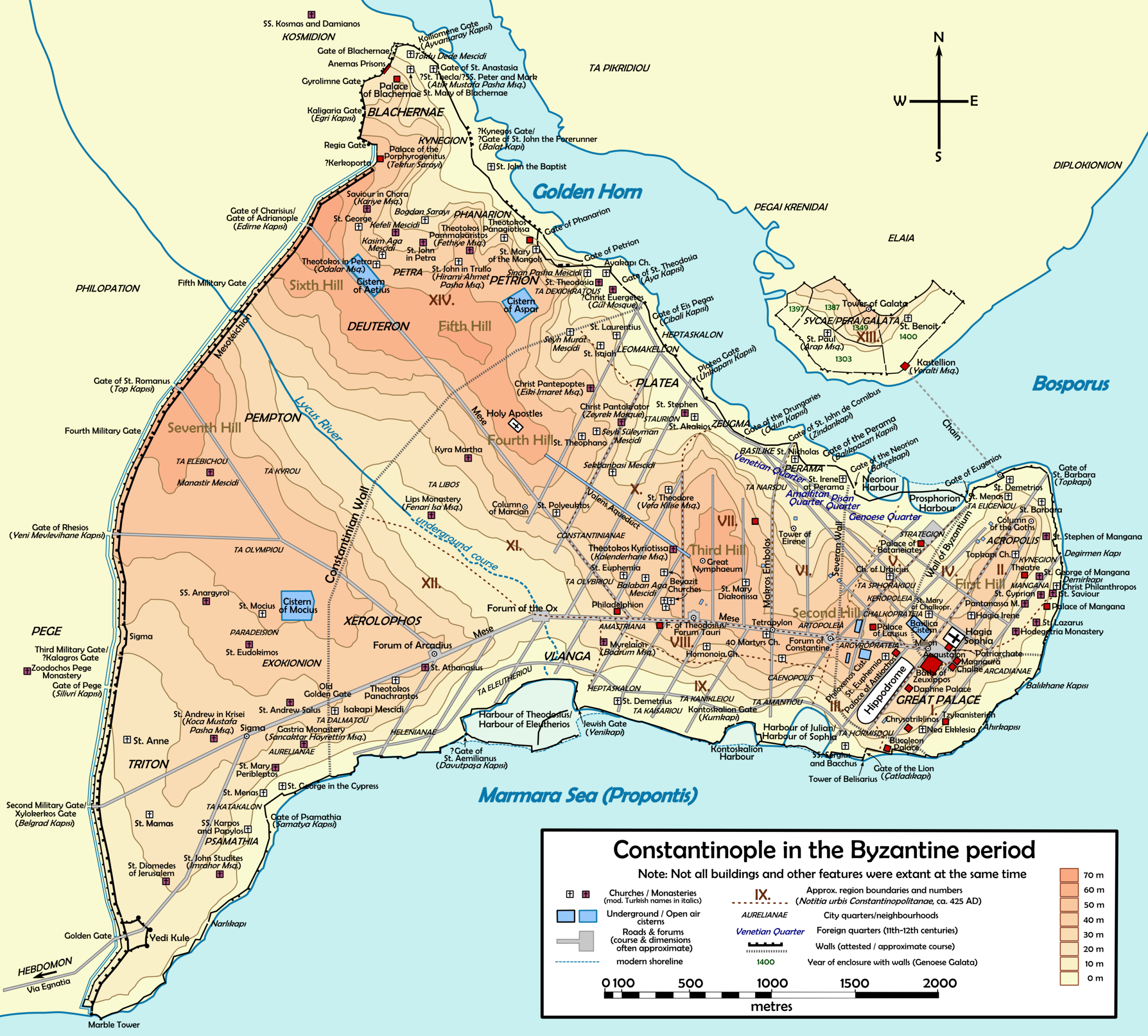
constantinople world map
The Influence of Constantinople on the World Map
Constantinople’s strategic location made it a coveted city throughout history. Its walls protected it from invasions, and its wealth attracted traders from far and wide. The city’s influence extended beyond its borders, shaping the world map as we know it today.
Trade routes passing through Constantinople connected Europe to Asia, facilitating the exchange of goods, ideas, and cultures. The city’s vibrant markets bustled with merchants from different parts of the world, creating a cosmopolitan atmosphere.
Constantinople’s rich history can still be seen in its architecture, art, and traditions. The Hagia Sophia, the city’s iconic cathedral-turned-mosque, stands as a testament to its multicultural heritage. Exploring the city’s landmarks is like stepping back in time to witness the blending of East and West.
In conclusion, Constantinople’s legacy lives on in the modern world map. Its influence on trade, culture, and geopolitics shaped the course of history and continues to impact our global interconnectedness. Next time you look at a map, remember the role this ancient city played in shaping our world.
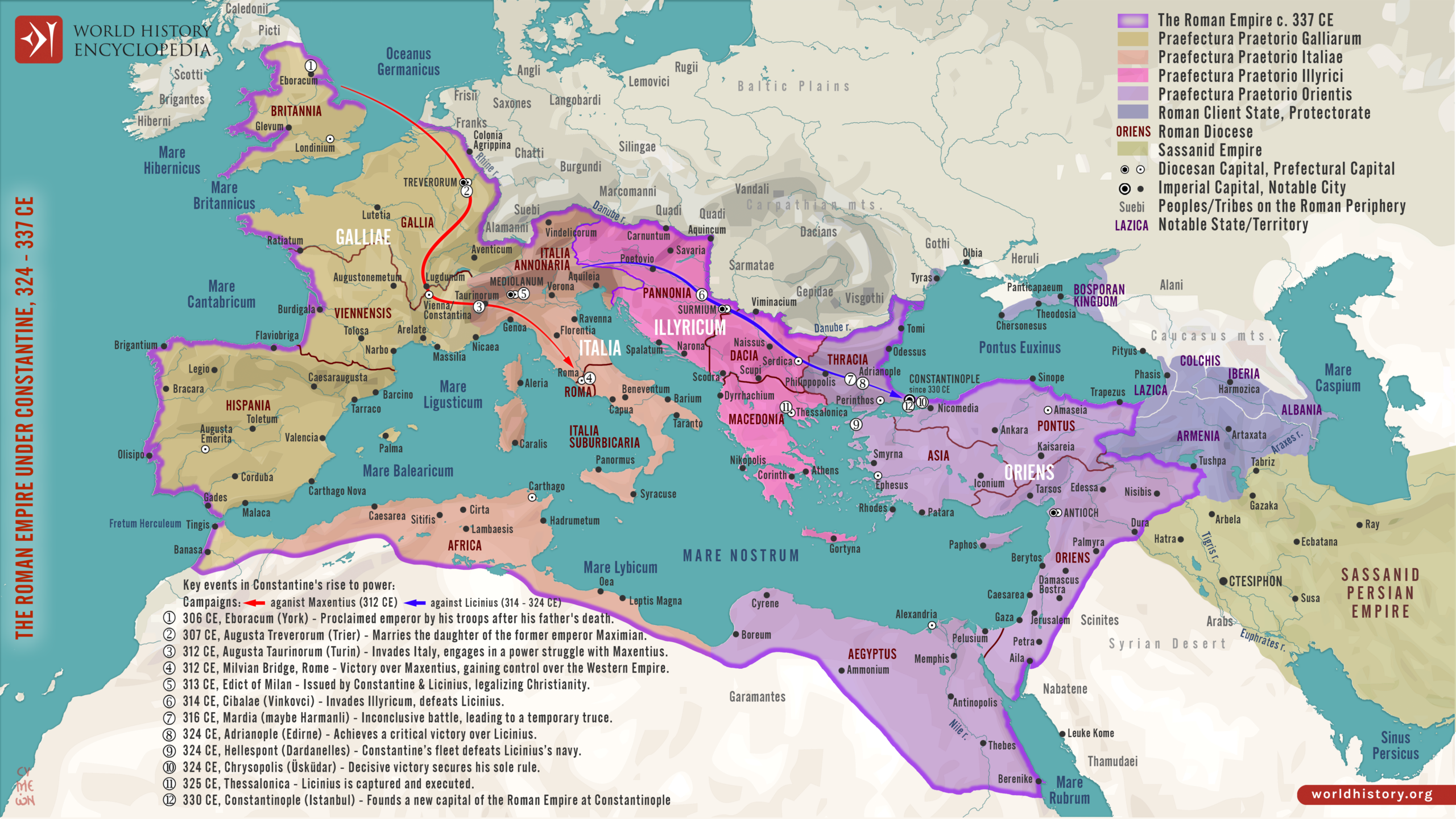
Roman Empire Under Constantine 324 337 CE World History Encyclopedia
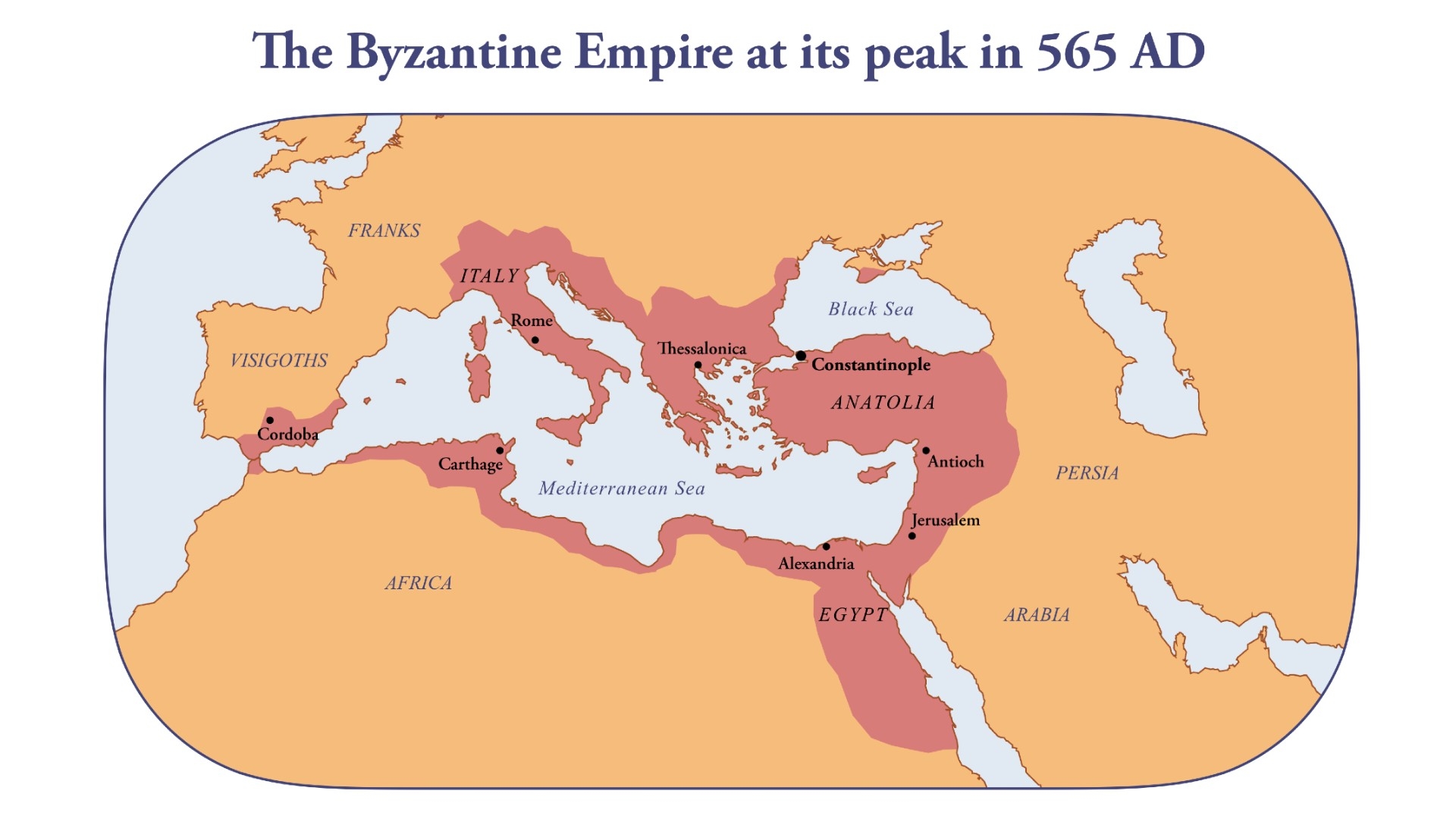
Byzantine Empire Map History And Facts Live Science
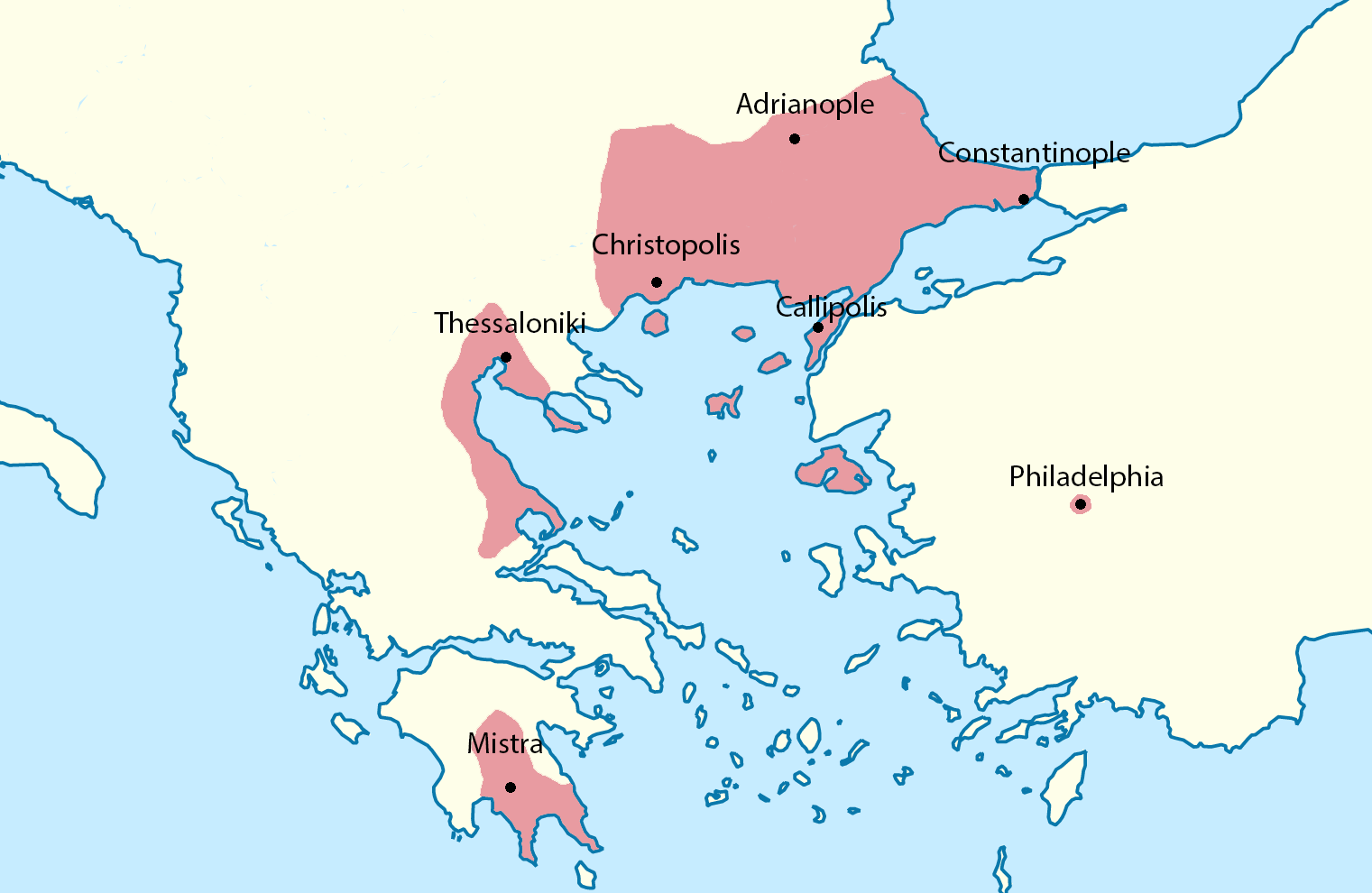
Maps The History Of Byzantium
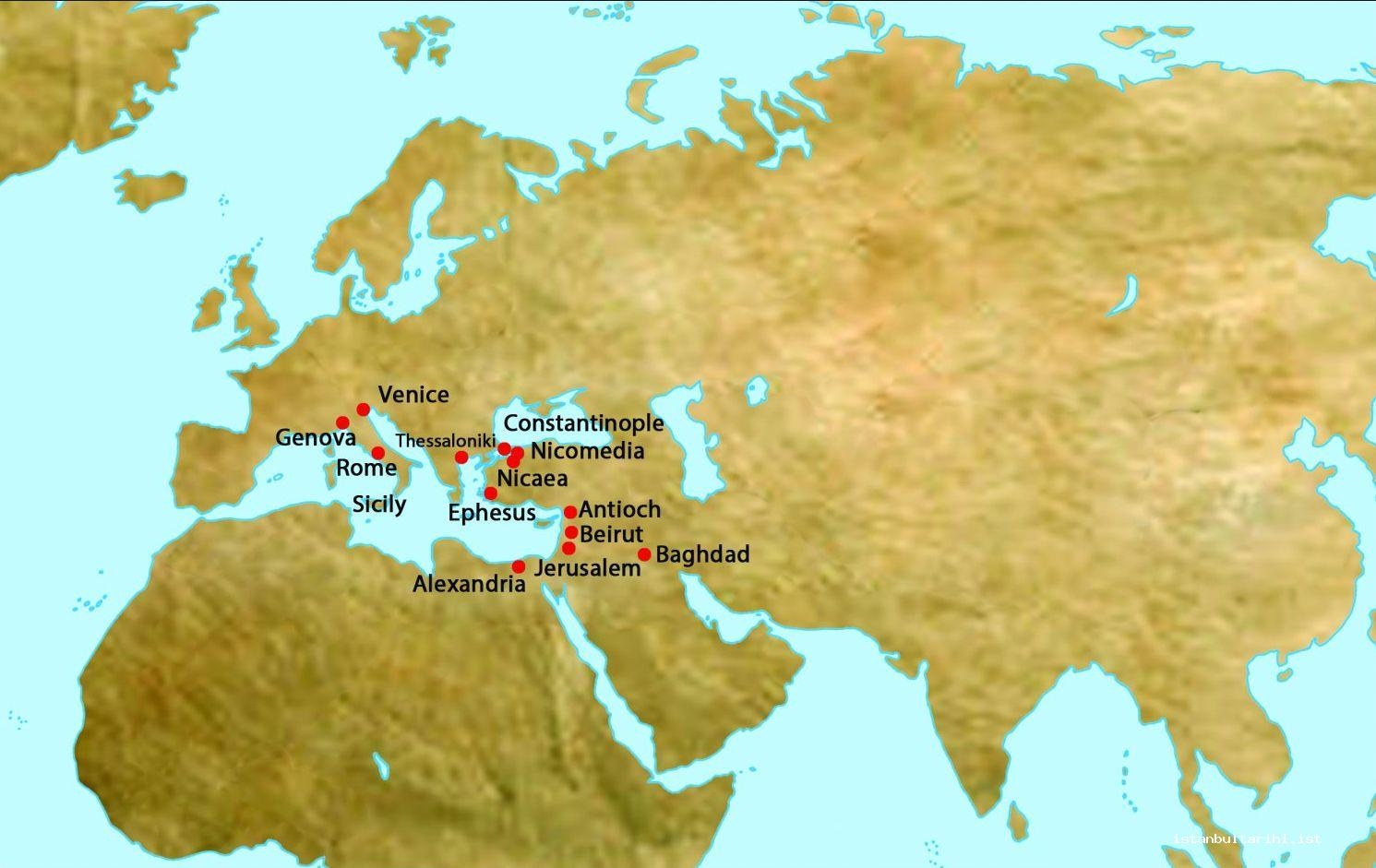
CONSTANTINOPLE AS A GLOBAL CITY History Of Istanbul
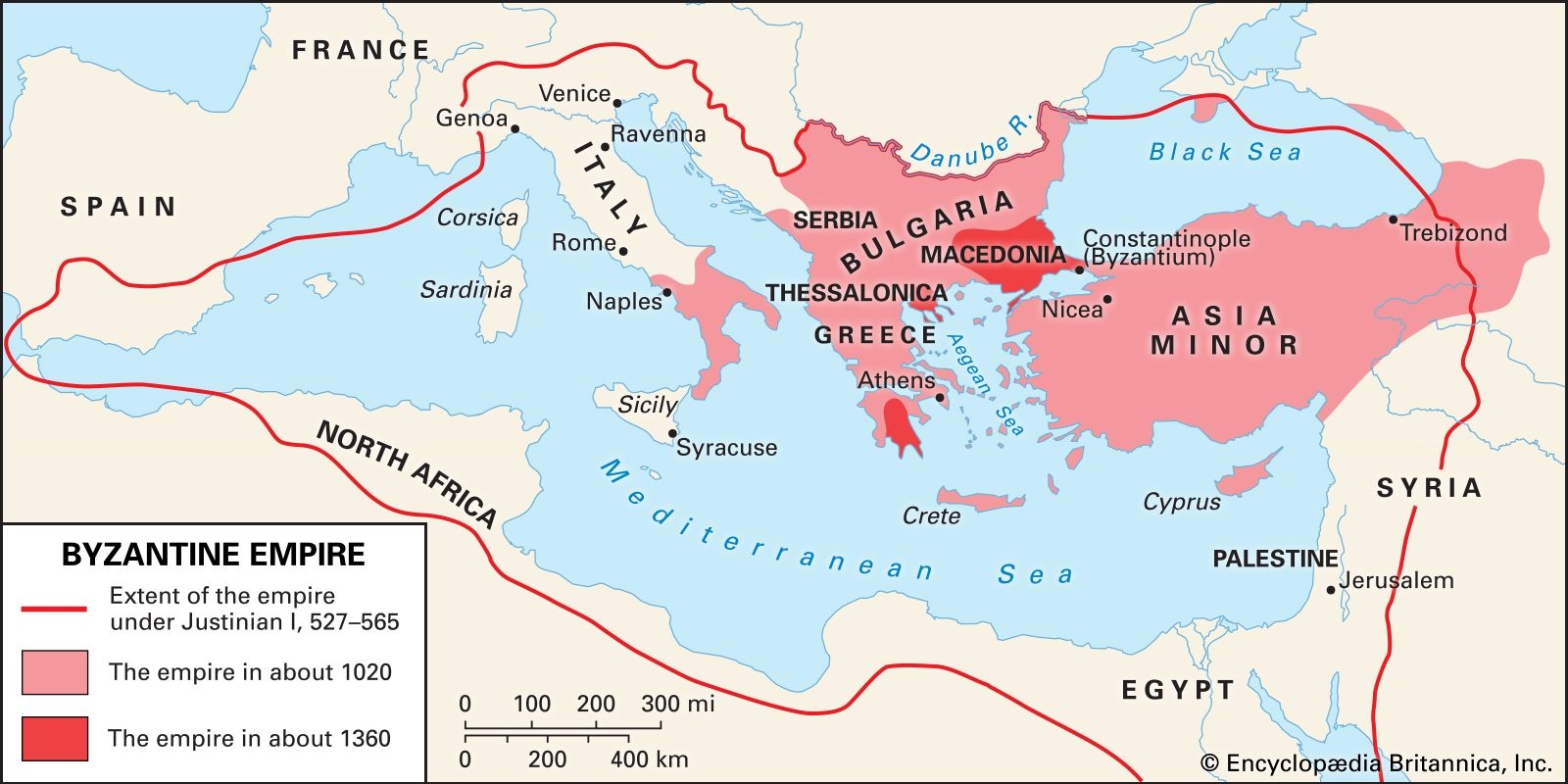
Fall Of Constantinople Facts Summary Significance Britannica