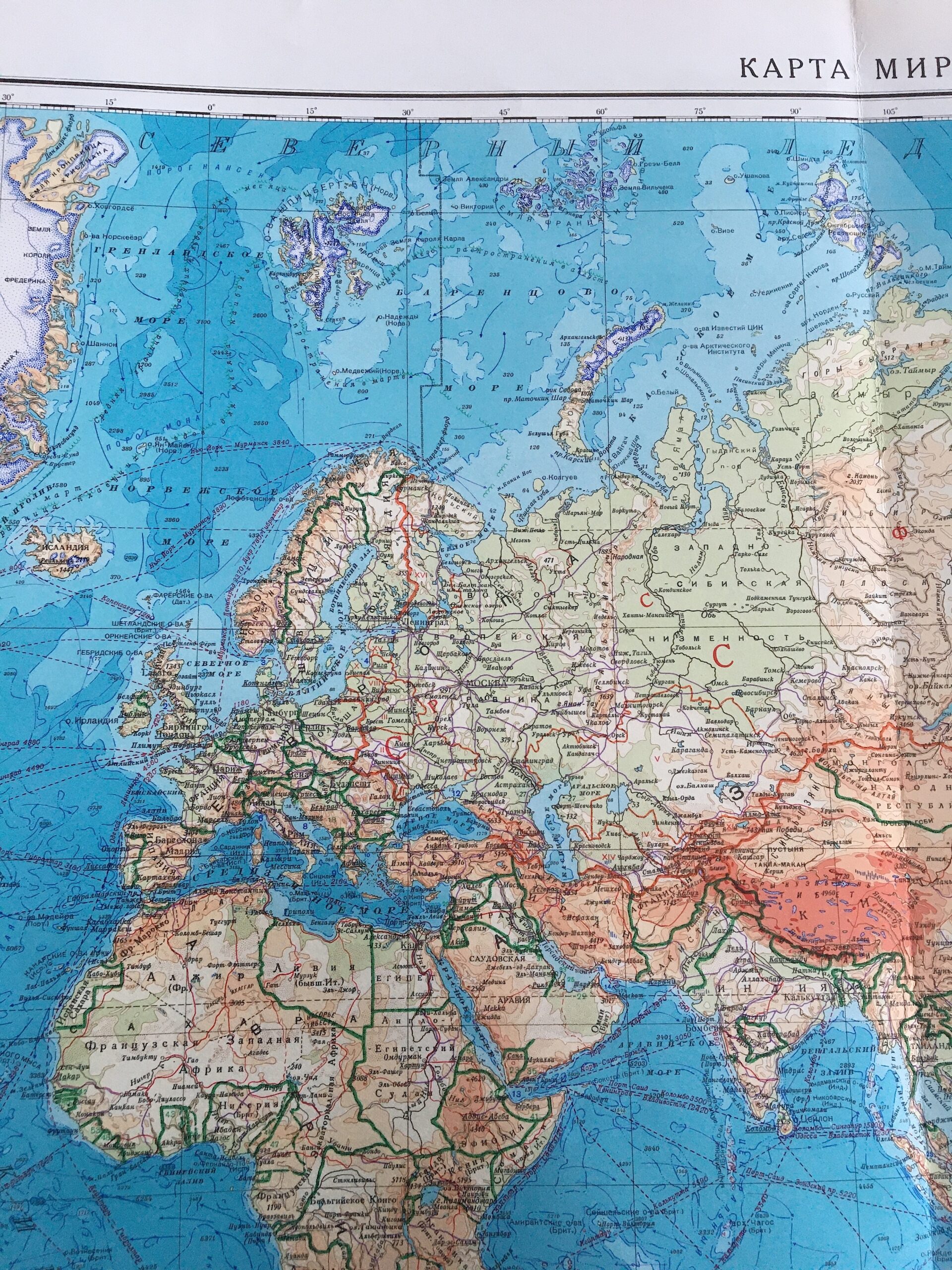
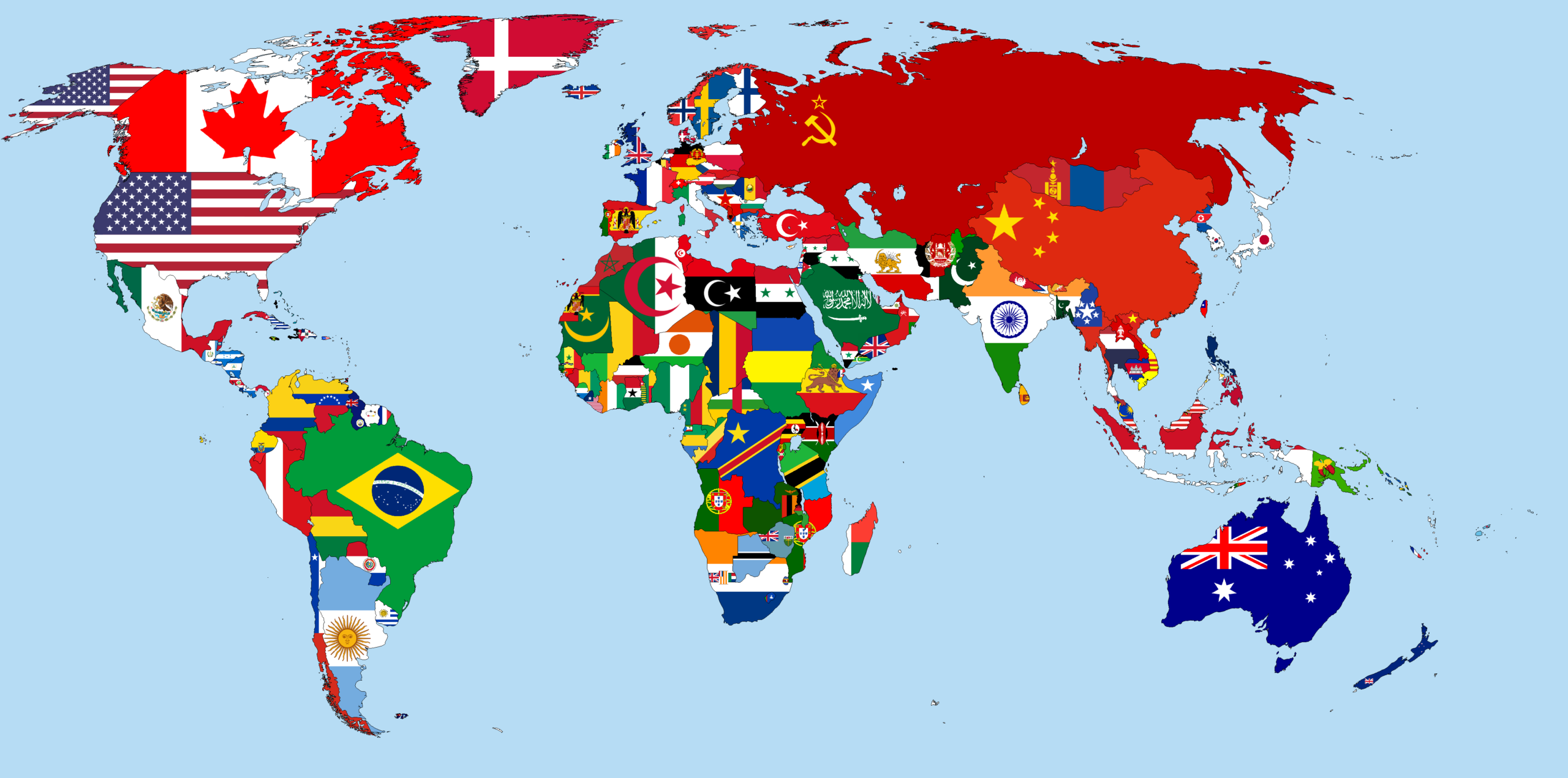
Ever wondered how the world map looked like in 1950? It’s fascinating to see how countries have evolved over the years. The geopolitical landscape has undergone significant changes, reflecting historical events and shifts in power.
The world map from 1950 provides a snapshot of a post-World War II era, with the Cold War tensions shaping global politics. The decolonization movements in Africa and Asia were gaining momentum, leading to the emergence of new nations.
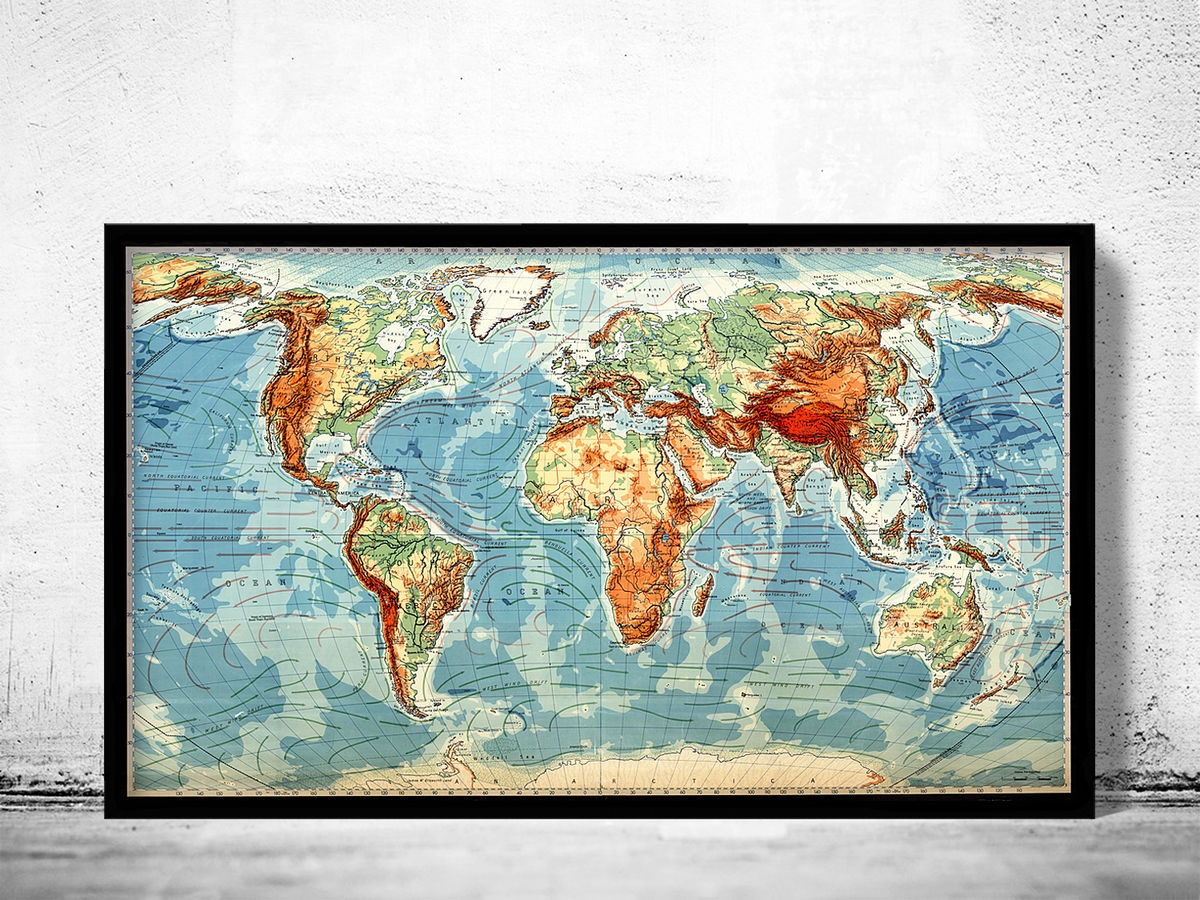
world map from 1950
Exploring the World Map from 1950
Europe was divided by the Iron Curtain, separating the capitalist West from the communist East. The United States and the Soviet Union were engaged in a fierce rivalry, with the threat of nuclear war looming large. Meanwhile, former colonies were gaining independence, reshaping the world order.
In Asia, countries like India, Pakistan, and Indonesia were breaking free from colonial rule, while the Korean Peninsula and Vietnam were torn apart by conflict. In Africa, nations were asserting their sovereignty, challenging the legacy of colonization.
Latin America was marked by political instability and dictatorships, as the United States sought to exert its influence in the region. The Middle East was a hotbed of tensions, with the Arab-Israeli conflict and the struggle for oil resources shaping the geopolitical landscape.
As we look back at the world map from 1950, we gain insights into the historical forces that have shaped our present-day world. It’s a reminder of how far we’ve come and the challenges that lie ahead. The world may have changed since then, but the echoes of the past still reverberate in our present.
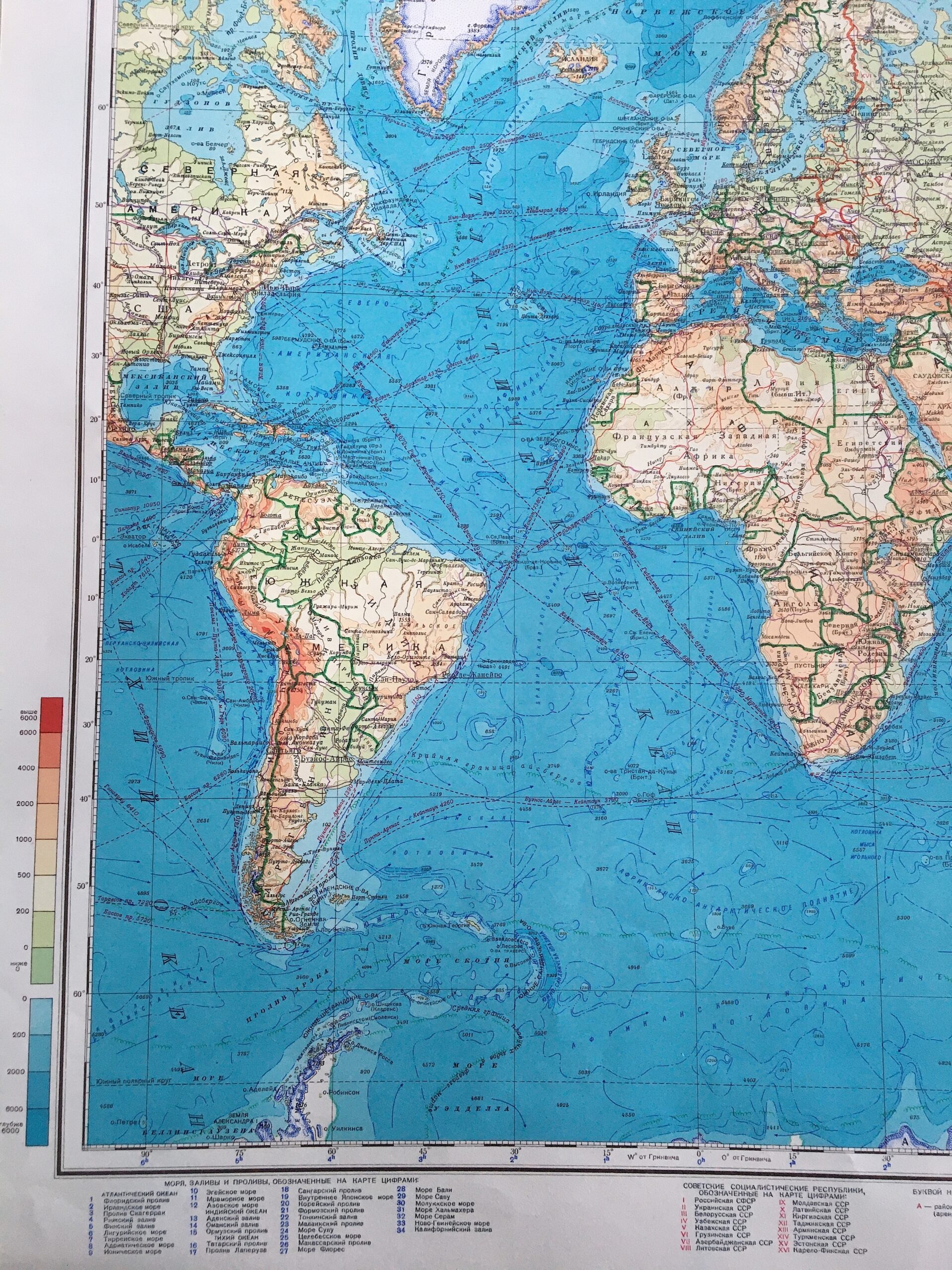
File 1950 Map 1 Physical Map Of The World 9 jpg Wikimedia Commons
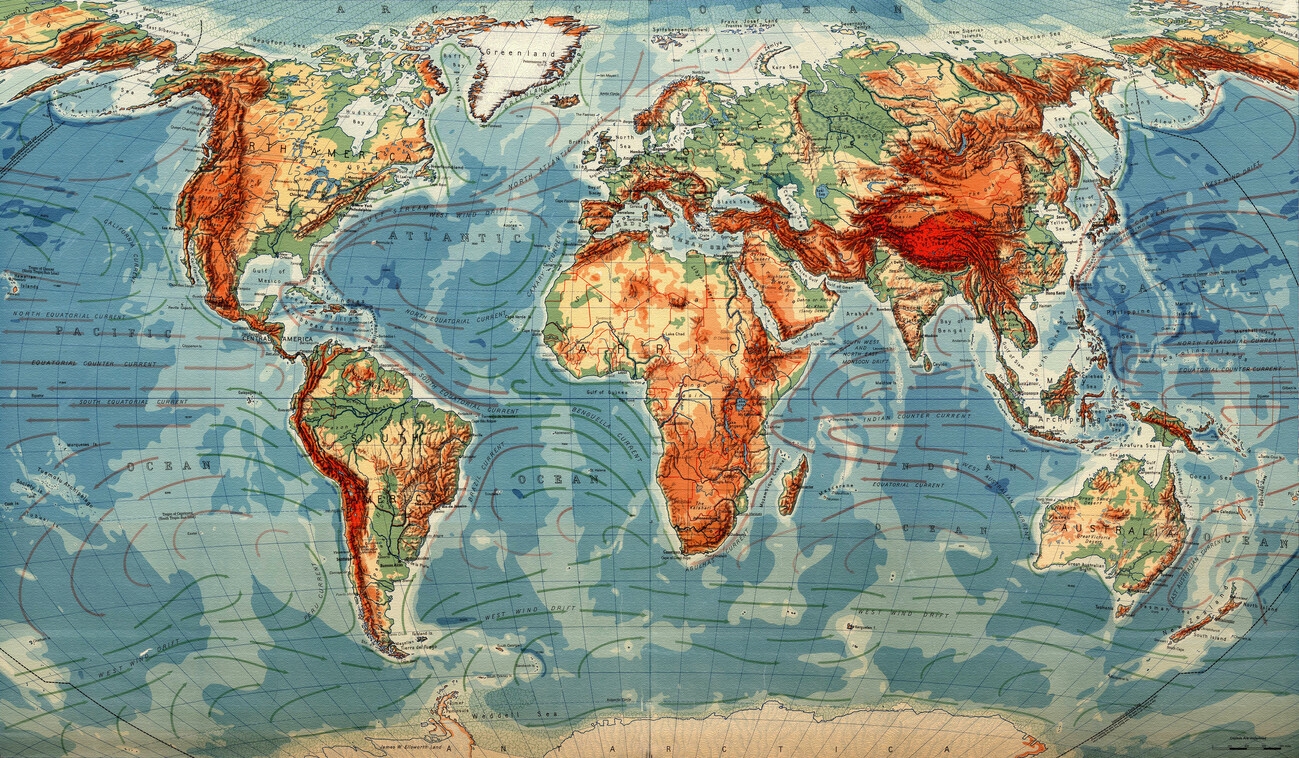
Poster Old Map Of The World Vintage Atlas 1950 Wall Art 3 1 FREE Abposters
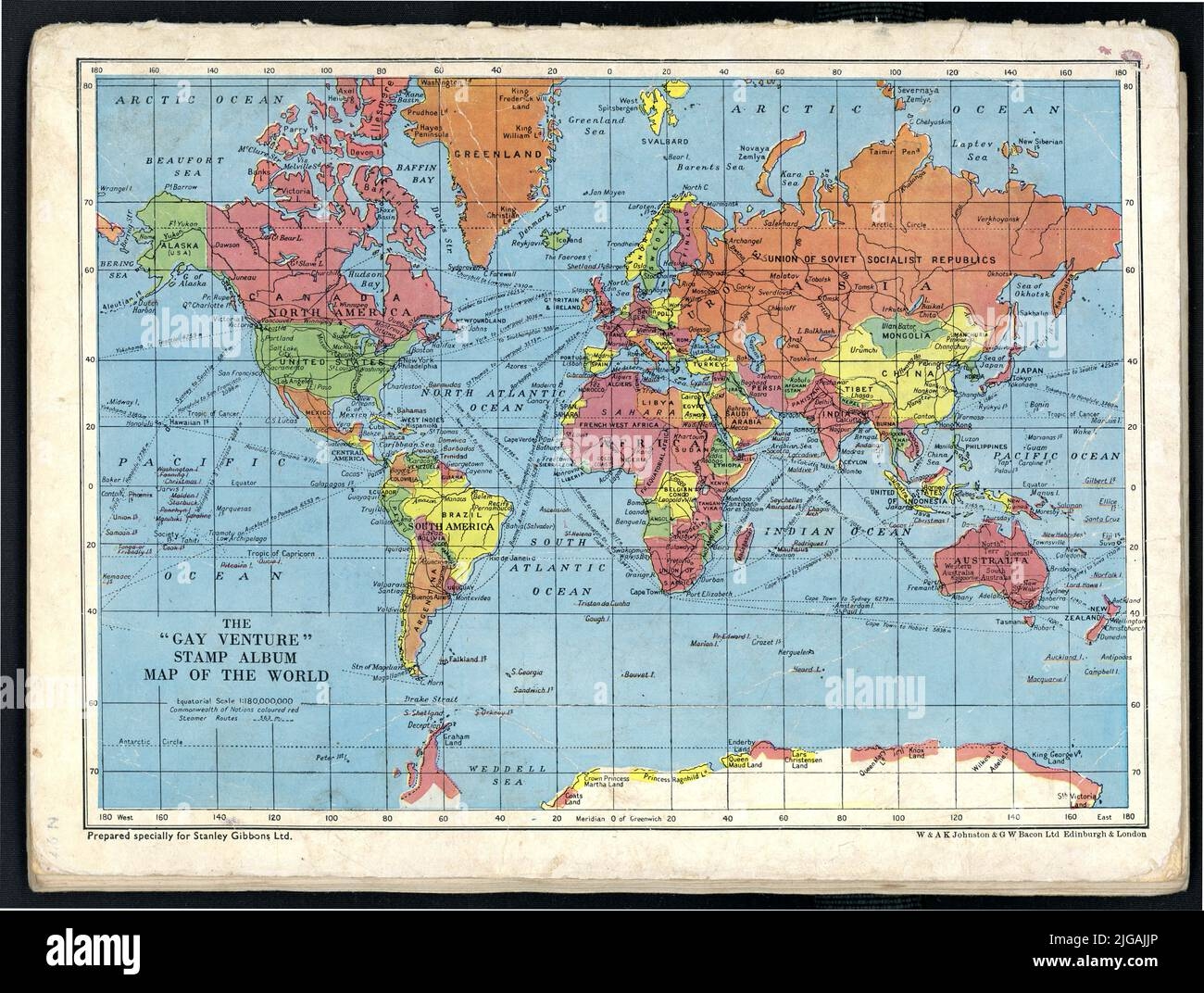
Map Of The World 1950 Hi res Stock Photography And Images Alamy
File 1950 Map 1 Physical Map Of The World 3 jpg Wikimedia Commons
File Flag map Of The World 1965 png Wikimedia Commons