World War 1 was a global conflict that had a significant impact on Europe and its borders. The map of Europe during World War 1 underwent drastic changes as countries fought for power and territory.
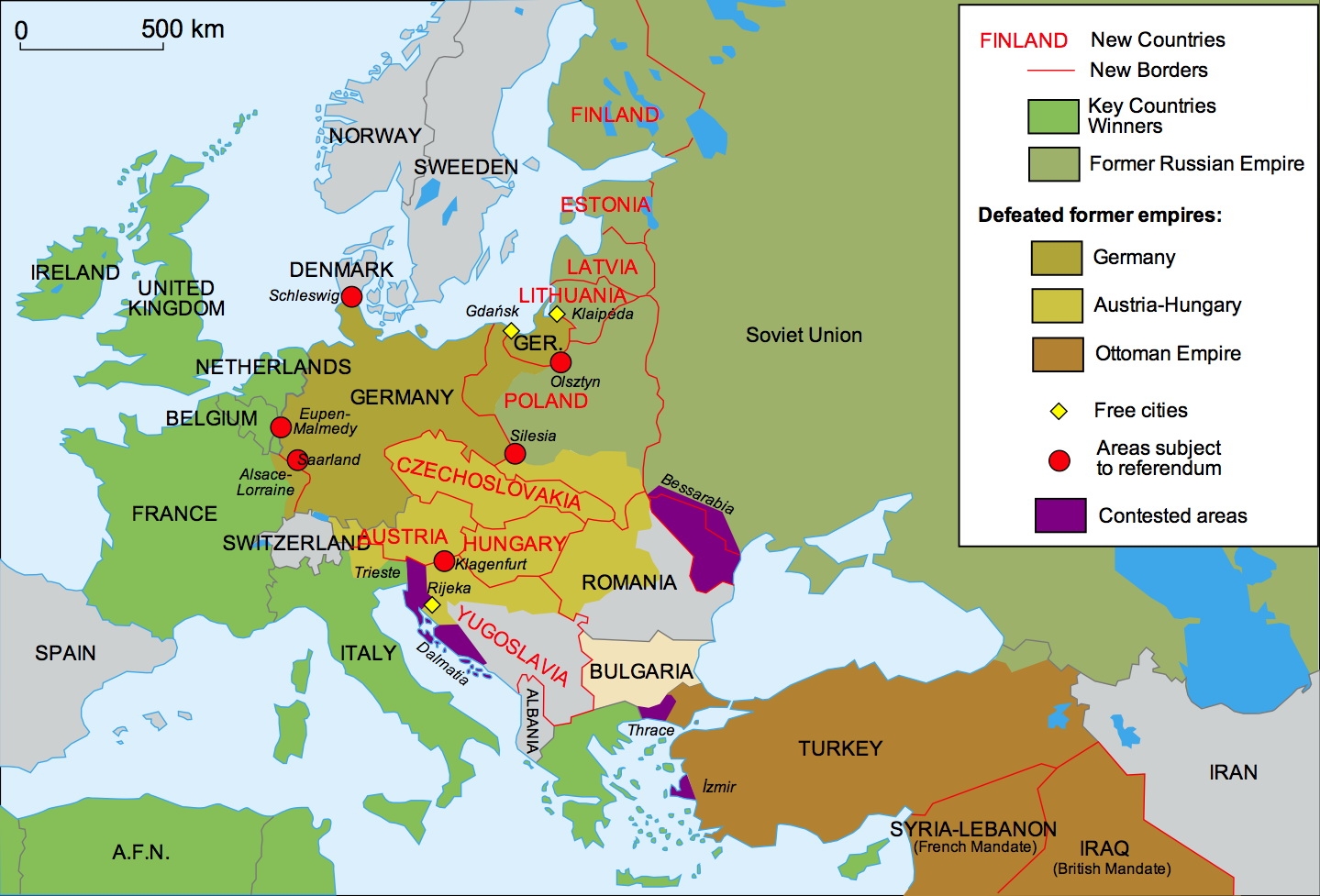
One of the most noticeable changes on the map of Europe during World War 1 was the dissolution of empires such as the Austro-Hungarian Empire and the Ottoman Empire. New countries emerged, like Poland, Czechoslovakia, and Yugoslavia, altering the landscape of Europe.
europe during world war 1 map
Exploring the Changes in Europe During World War 1 Map
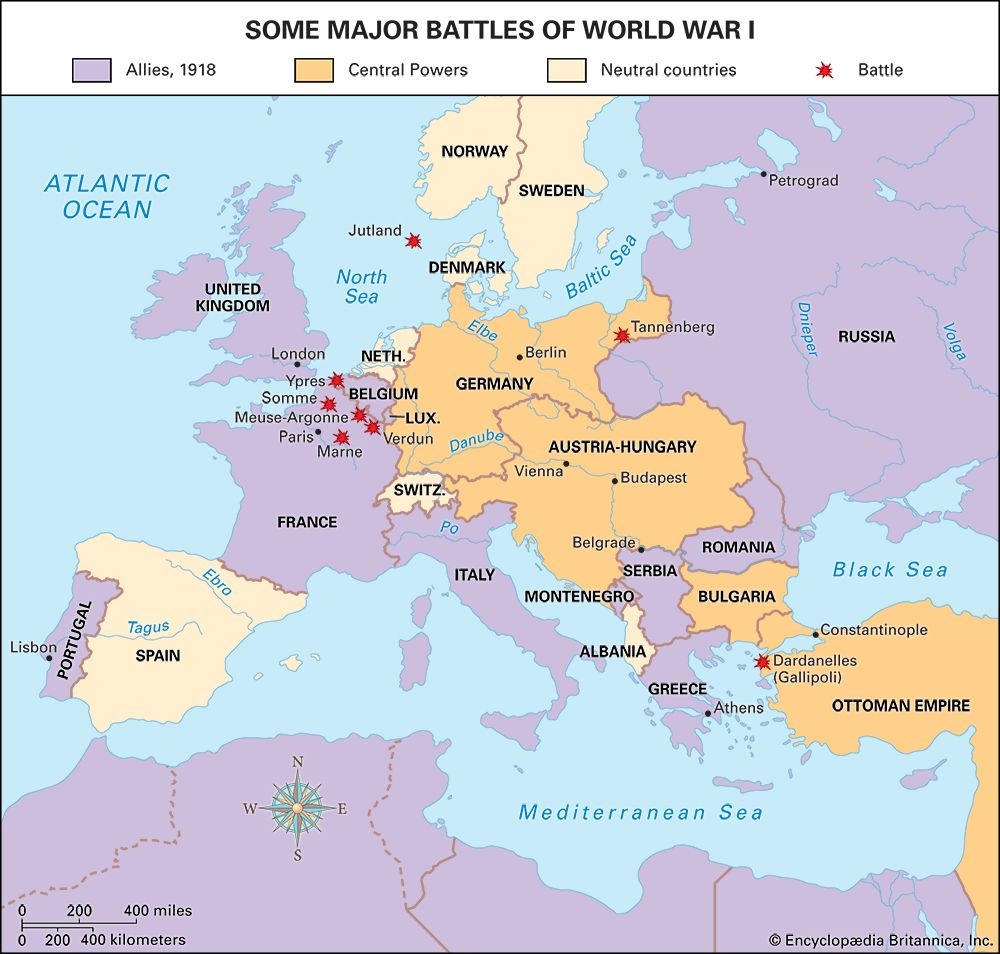
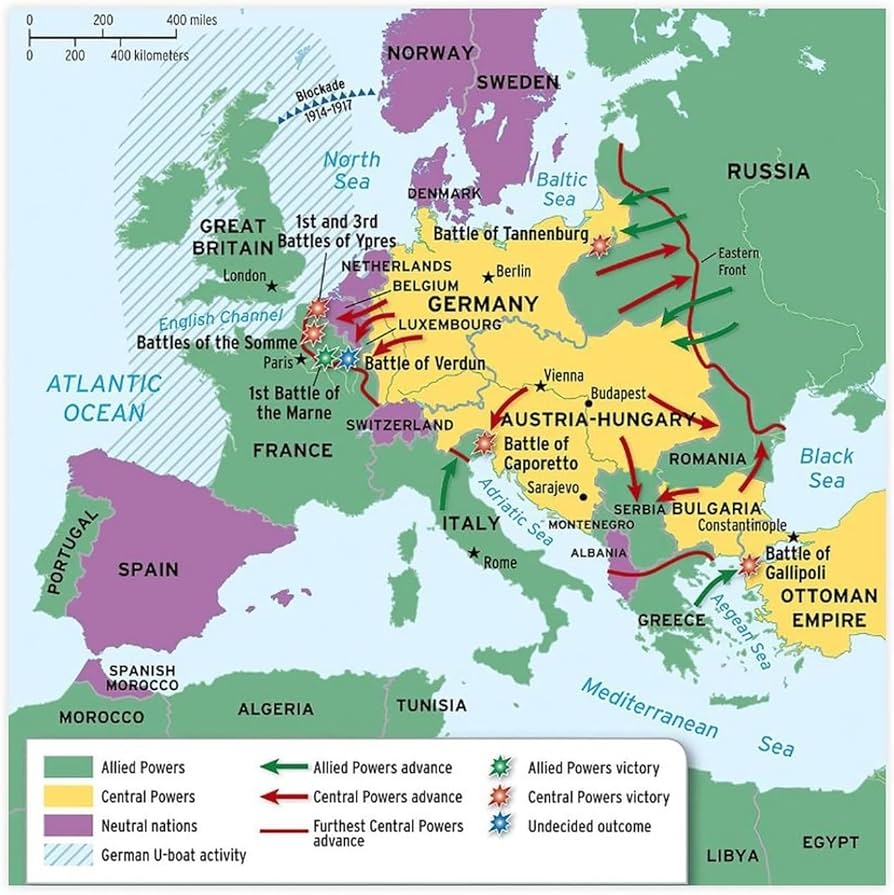
Many battles took place across Europe, with trenches dug deep into the land. The Western Front, stretching from Belgium to Switzerland, was a key battleground. The Eastern Front saw Russia fighting against Germany and Austria-Hungary, leading to further changes in the map.
The Treaty of Versailles, signed in 1919, officially ended World War 1 and reshaped Europe. Germany lost territory and was forced to pay reparations, affecting the borders and stability of the region. The map of Europe was forever altered by the outcomes of the war.
Overall, the map of Europe during World War 1 serves as a reminder of the tumultuous period in history when countries fought for power and dominance. The changes that occurred during this time continue to impact Europe to this day, shaping its politics and relationships.
As we look back on the map of Europe during World War 1, we can see the lasting effects of the conflict on the region. The boundaries that were redrawn, the empires that fell, and the new nations that emerged all contribute to the complex history of Europe during this time.
World War I Kids Britannica Kids Homework Help
Amazon YOLANCH World War I Map Of Europe Poster Printing Suitable For School Teacher Education Student Room Print Bedroom Decor Room Posters 12x12inch 30x30cm Unframe style
File Europe 1914 jpg Wikimedia Commons
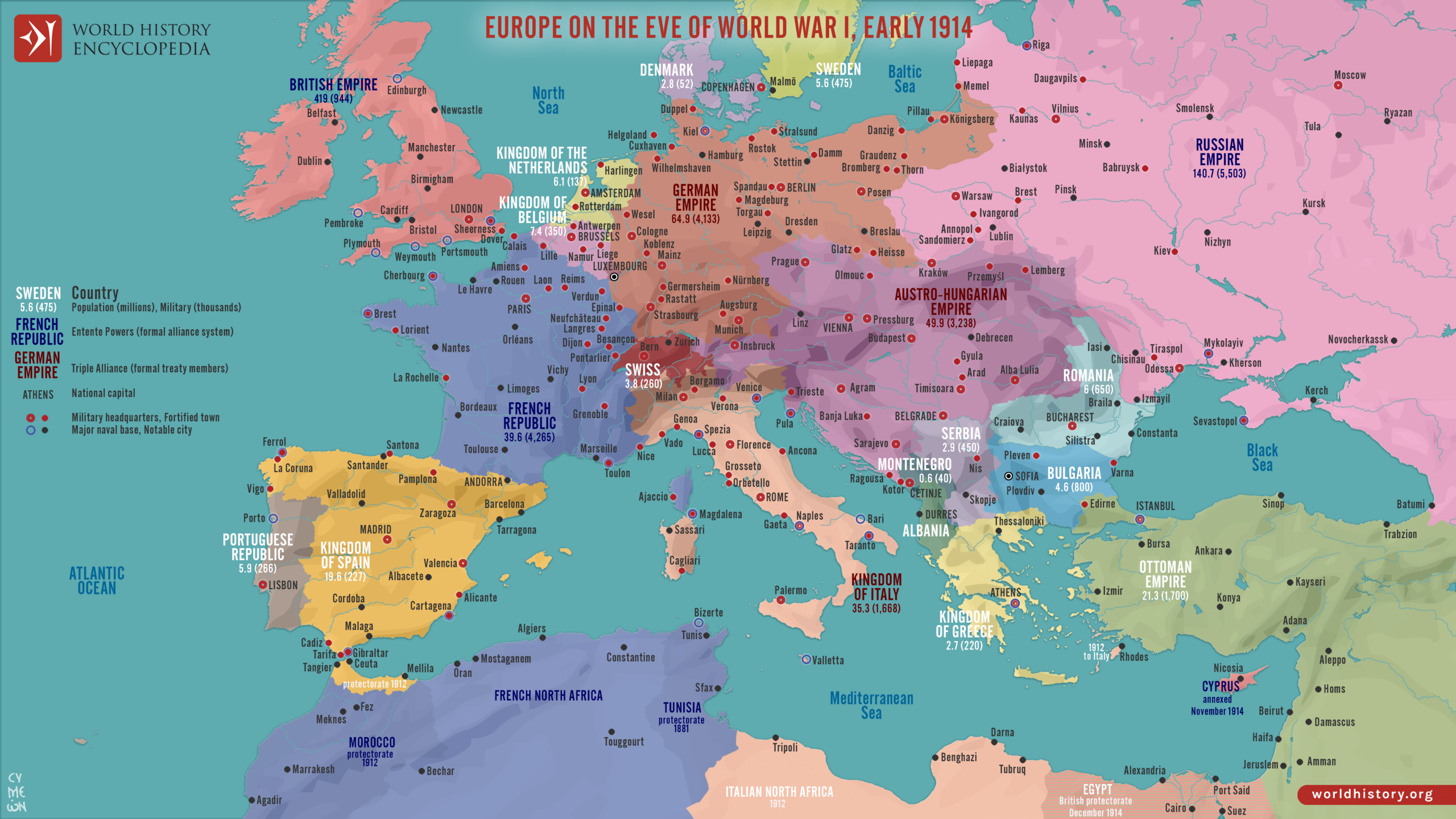
Map Of Europe On The Eve Of World War I Early 1914 World History Encyclopedia
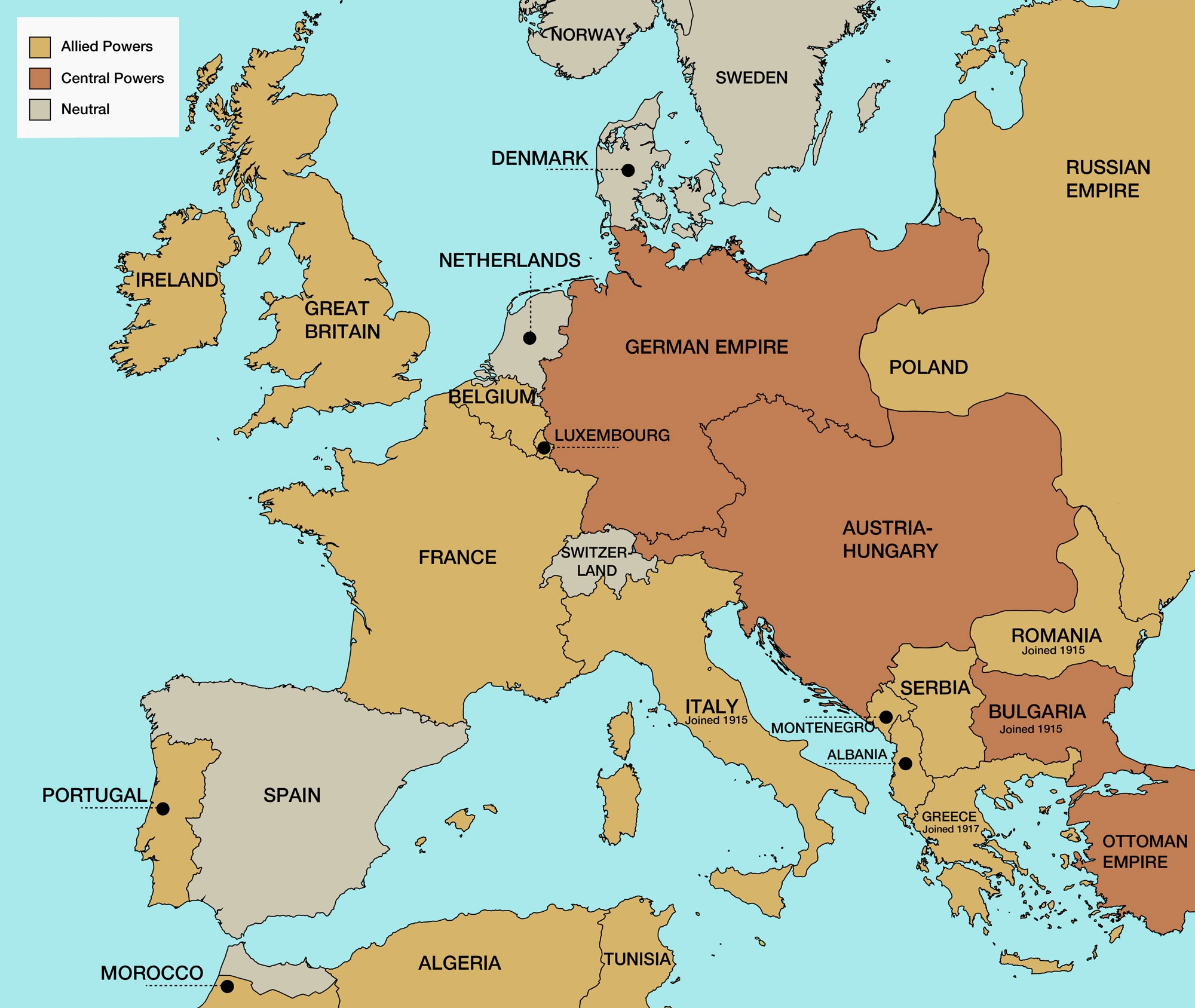
Map Showing First World War Alliances Australia s Defining Moments Digital Classroom National Museum Of Australia