Imagine a land where ancient civilizations thrived, leaving behind a legacy that still fascinates us today. Mesopotamia, often referred to as the “cradle of civilization,” holds a significant place on the world map.
Located in the Middle East, Mesopotamia was home to some of the earliest human societies, including the Sumerians, Akkadians, Babylonians, and Assyrians. Its fertile lands between the Tigris and Euphrates rivers provided the perfect environment for agriculture.
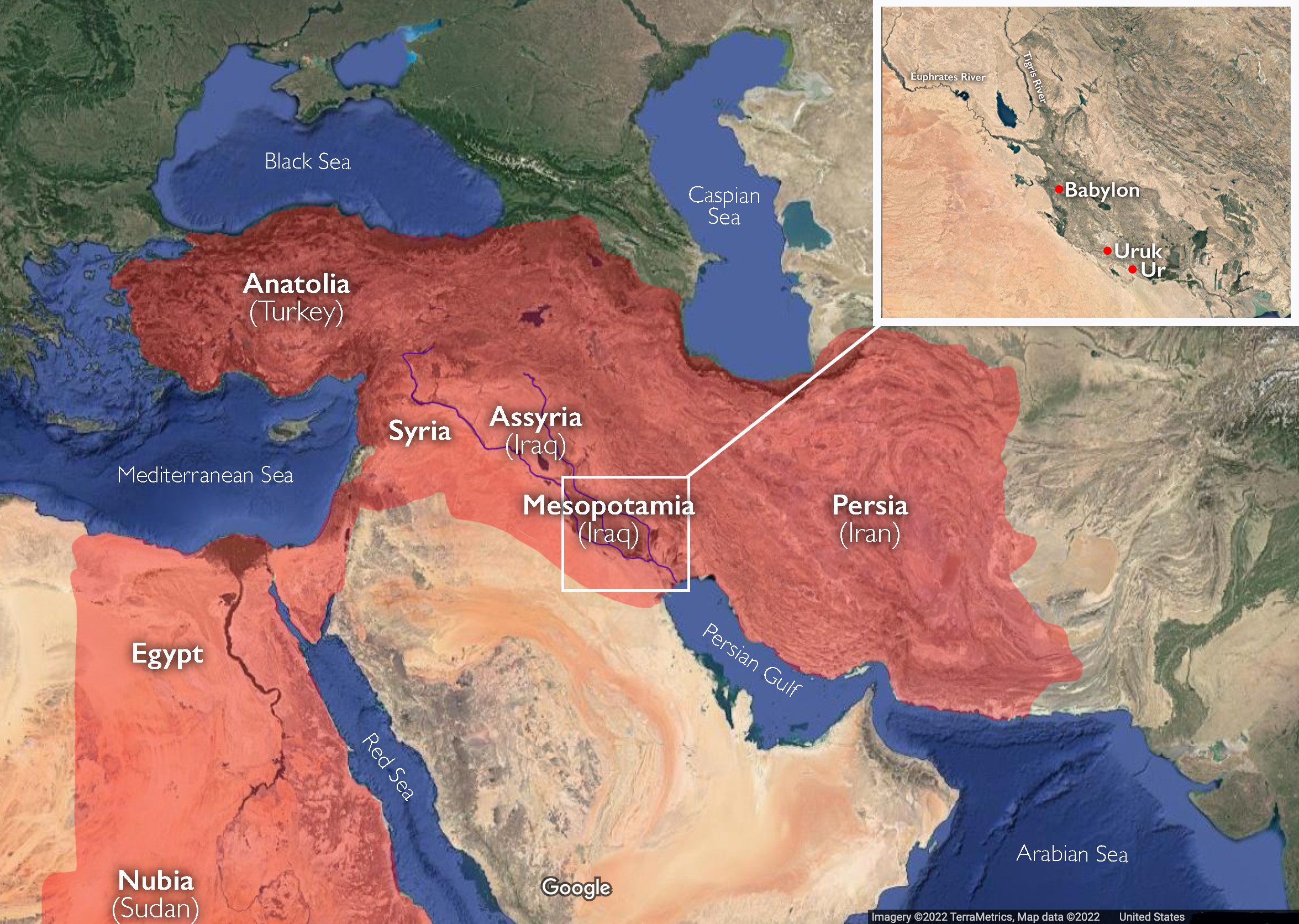
mesopotamia on world map
Mesopotamia on World Map: A Historical Overview
The cities of Mesopotamia, such as Ur, Uruk, and Babylon, were centers of trade, culture, and innovation. The invention of writing, the wheel, and the first known legal code, the Code of Hammurabi, all originated in this ancient land.
Despite its contributions to human history, Mesopotamia faced challenges such as invasions, wars, and the rise and fall of empires. However, its impact on art, architecture, mathematics, and astronomy continues to influence modern society.
Today, Mesopotamia may no longer exist as a distinct region, but its legacy lives on in the ruins of its once-great cities and the artifacts that have been uncovered by archaeologists. The stories of Gilgamesh, the Epic of Creation, and the Hanging Gardens of Babylon continue to captivate our imaginations.
As we look at Mesopotamia on the world map, we are reminded of the resilience and ingenuity of the people who called this ancient land their home. Their achievements have paved the way for the development of human civilization and continue to inspire us to this day.
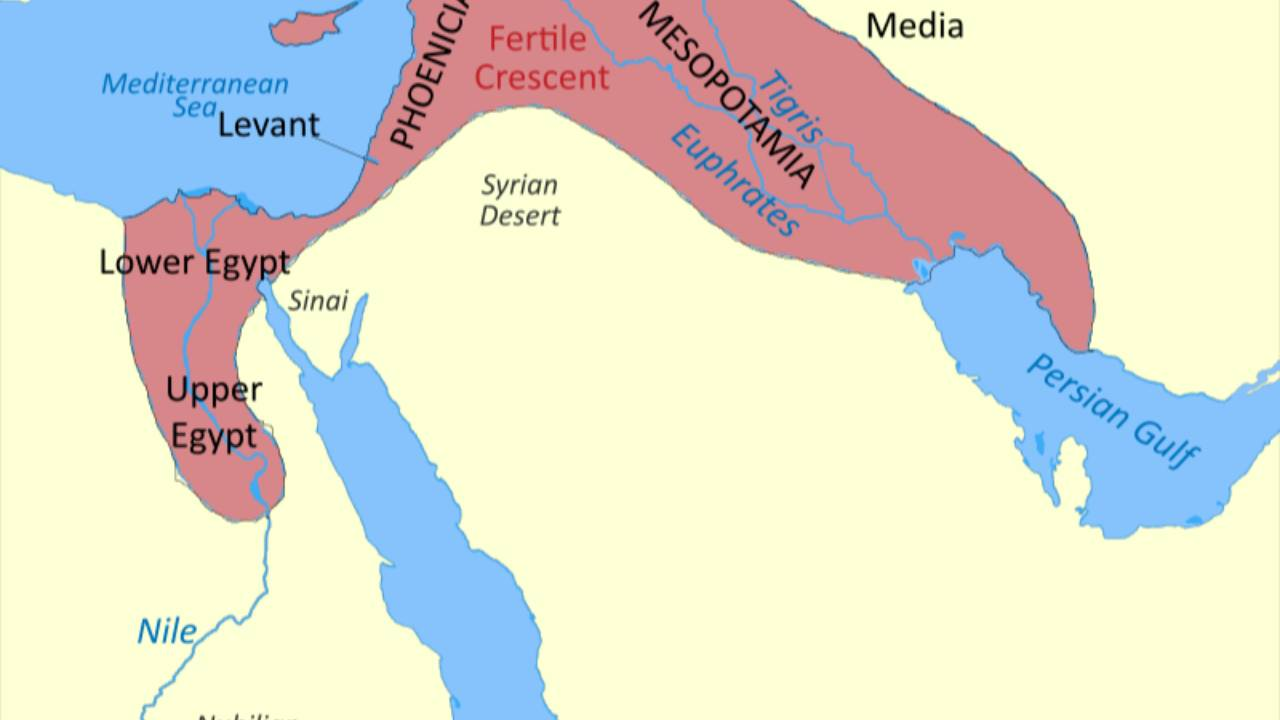
Geography Of Mesopotamia
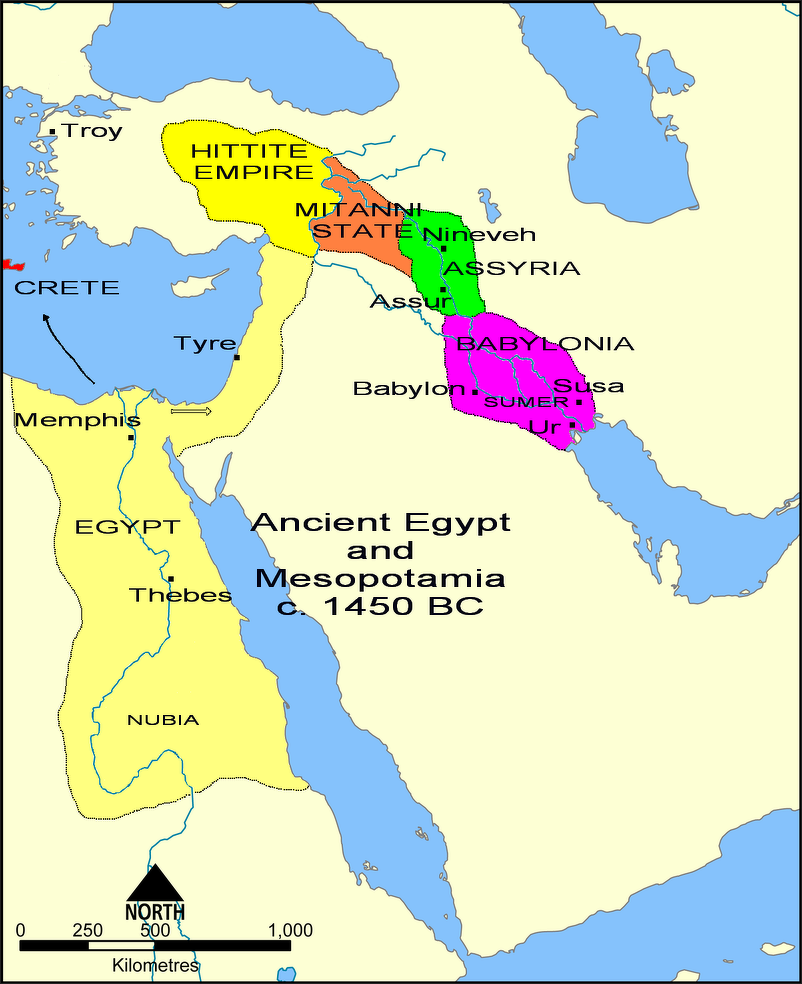
Mesopotamia The Place Civilizations The Fertile Crescent Middle East And North Africa Facts And Details
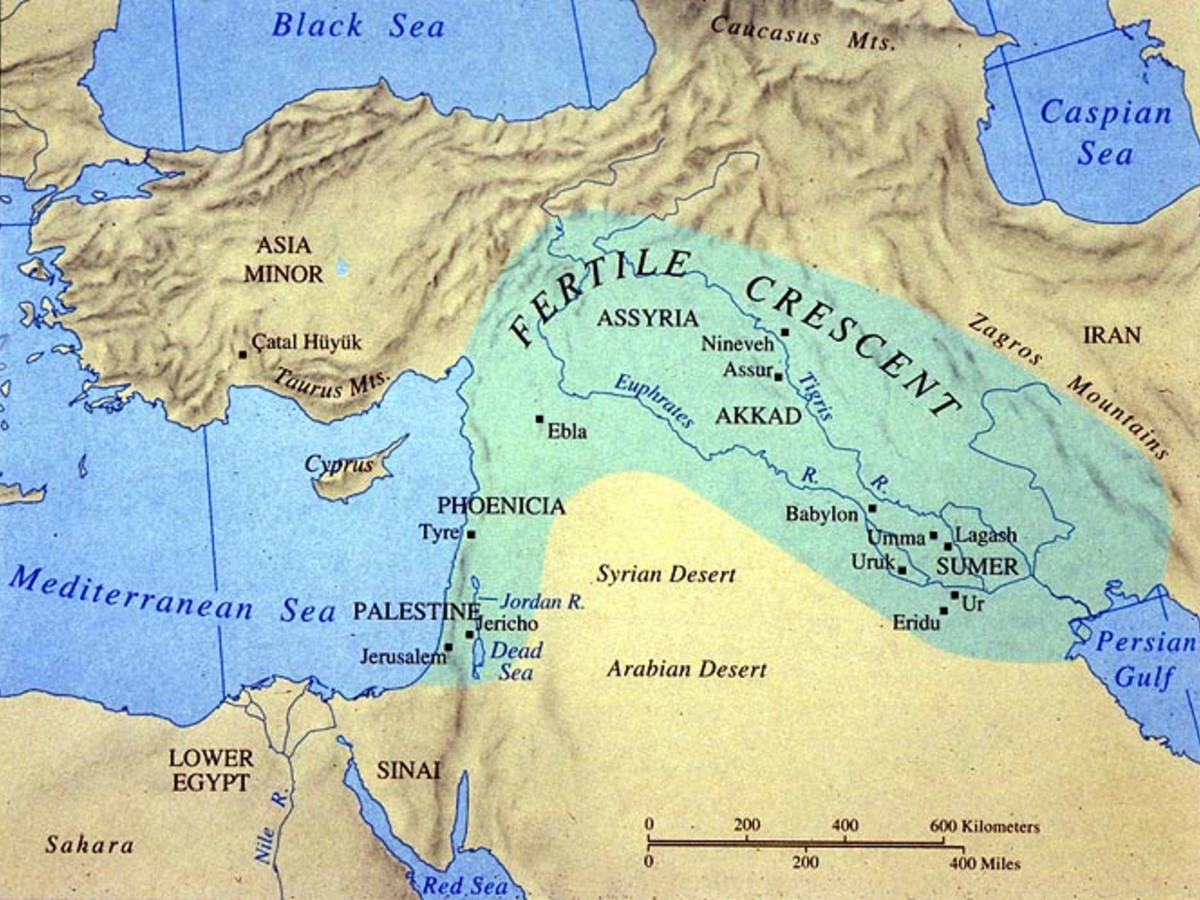
Ancient Mesopotamia Owlcation
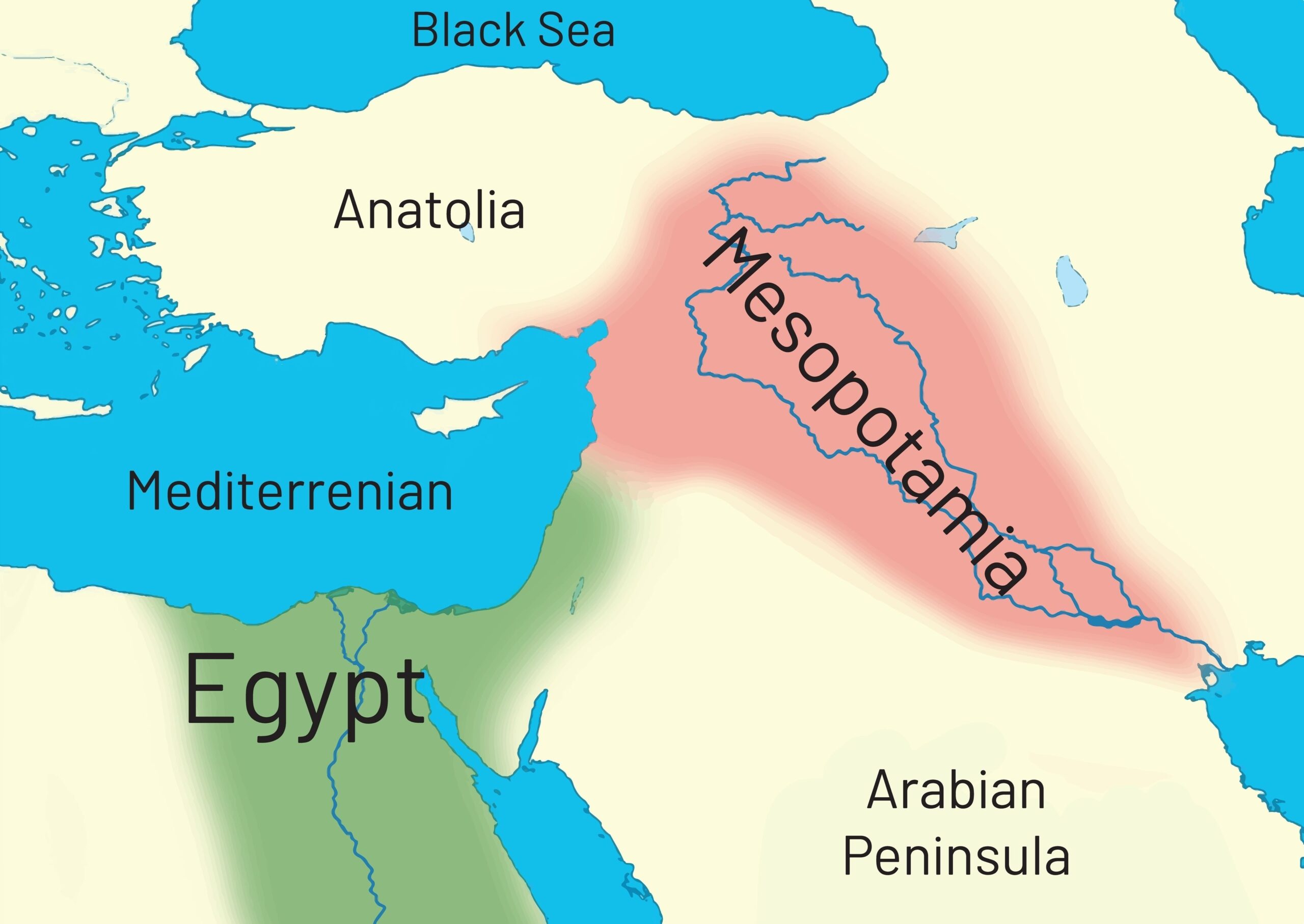
What Is Mesopotamia The Land Of Humanity s Firsts IFLScience
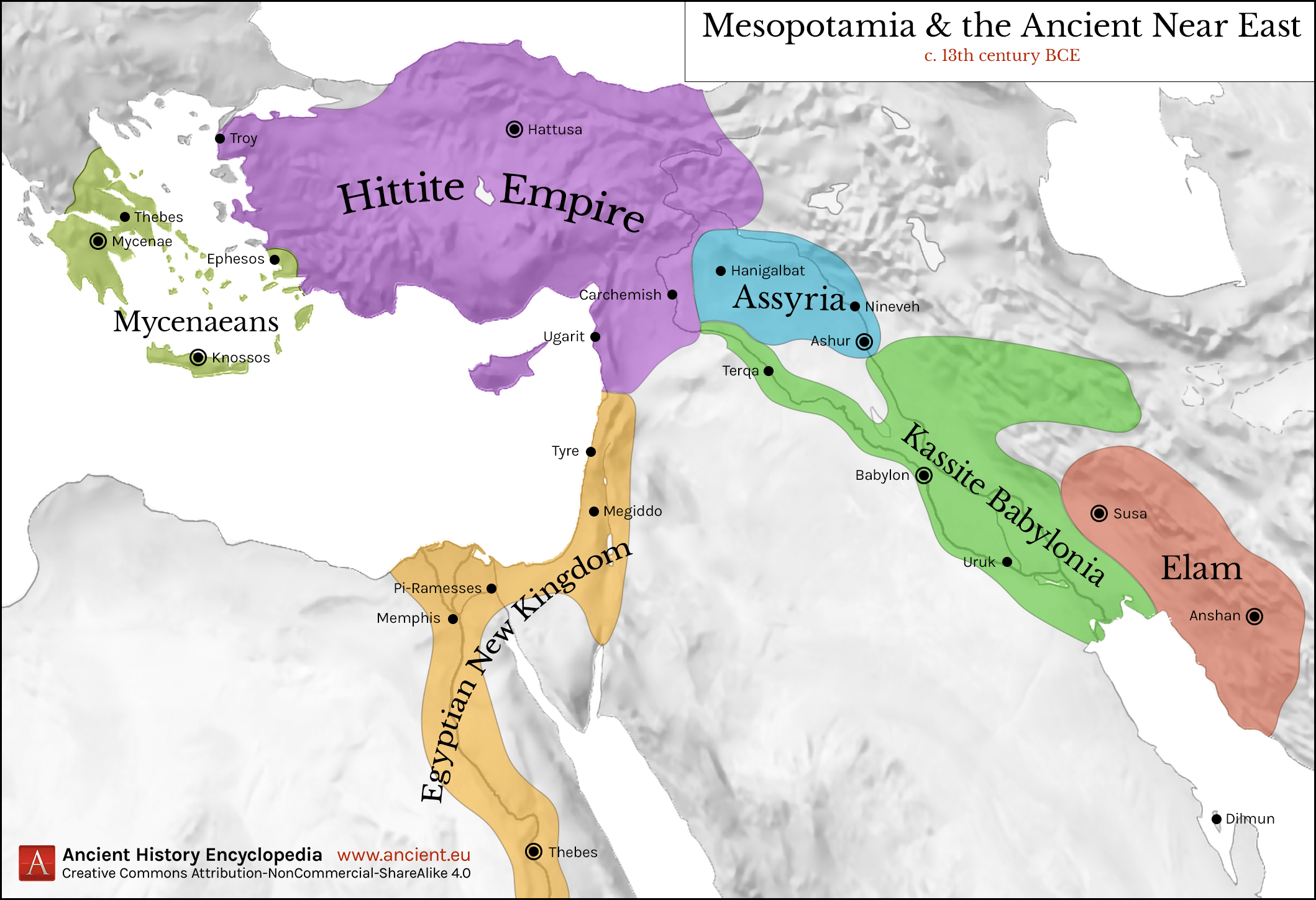
Map Of Mesopotamia And The Ancient Near East C 1300 BCE World History Encyclopedia