Have you ever wondered about the seismic activity in the United States? Earthquakes are a natural phenomenon that can occur in various regions, and being aware of the seismic zones can help in preparedness and safety measures.
The United States is divided into different seismic zones based on the likelihood of earthquakes occurring in those areas. Understanding these zones can help residents and authorities plan and build structures that are resilient to potential seismic events.
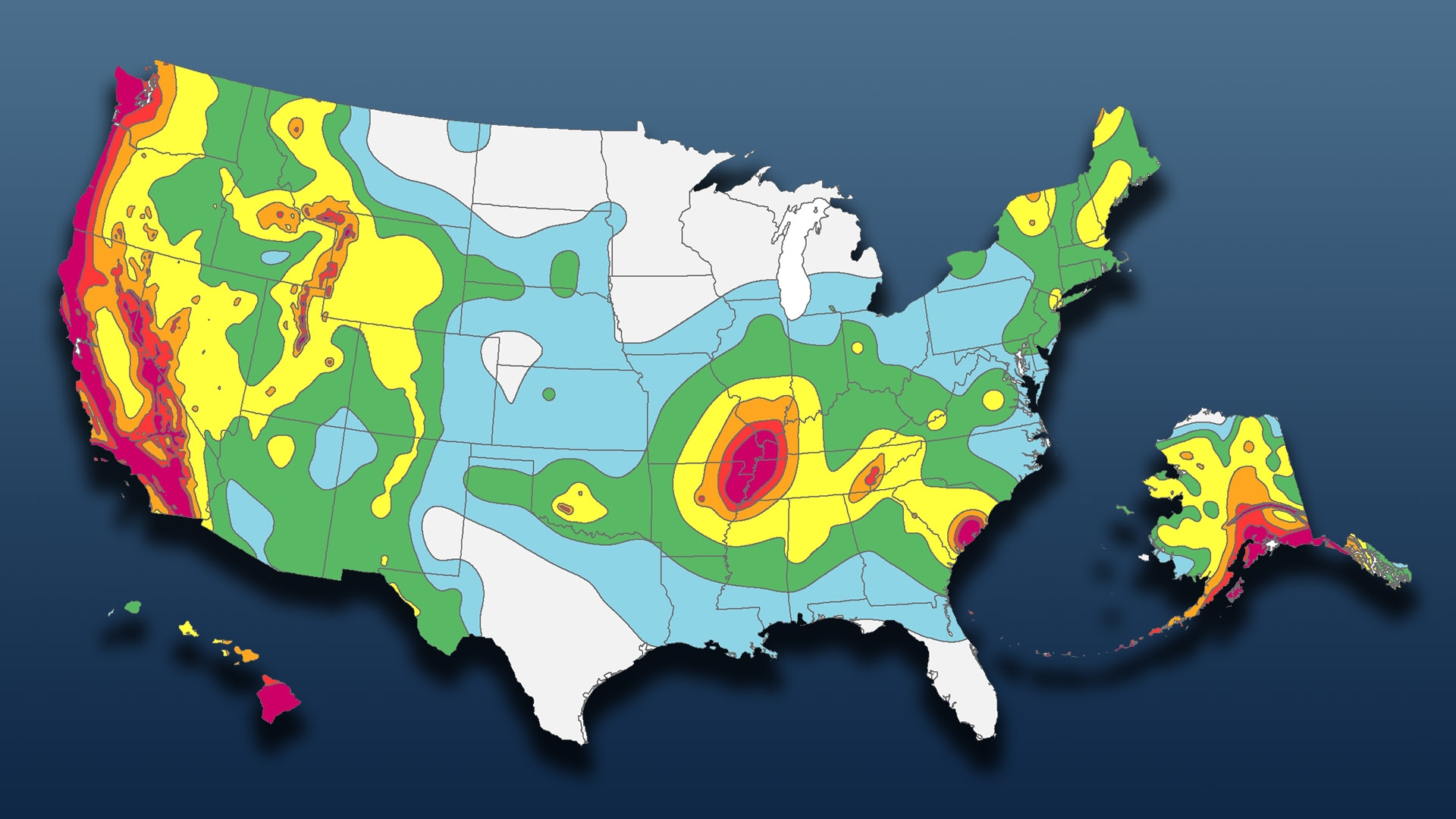
united states seismic zones map
Exploring the United States Seismic Zones Map
One of the most well-known seismic zones in the US is the San Andreas Fault in California. This fault line is notorious for its high seismic activity and has the potential to produce large earthquakes that can cause significant damage.
Other notable seismic zones include the Pacific Northwest, where the Cascadia Subduction Zone poses a significant threat, and the New Madrid Seismic Zone in the central US, which has a history of producing powerful earthquakes.
By studying the United States seismic zones map, geologists and seismologists can better predict and understand the behavior of earthquakes in different regions. This knowledge is crucial for developing effective emergency response plans and building codes that can mitigate the impact of seismic events.
Whether you live in a high-risk seismic zone or not, it’s essential to be informed about the potential risks and take steps to prepare yourself and your family for any eventuality. Stay informed, stay safe, and be prepared for the unexpected.
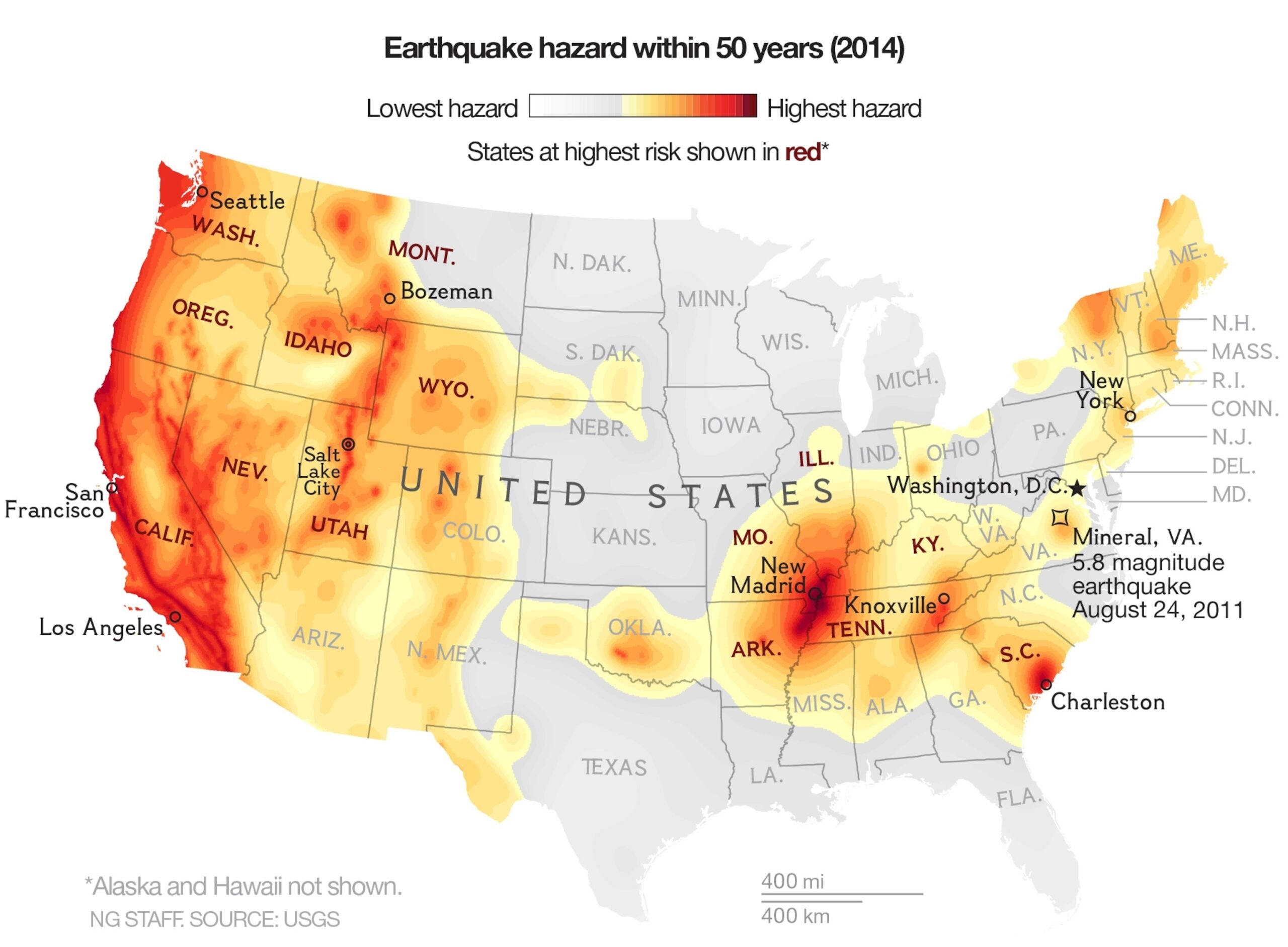
Earthquake Maps Reveal Higher Risks For Much Of U S National Geographic
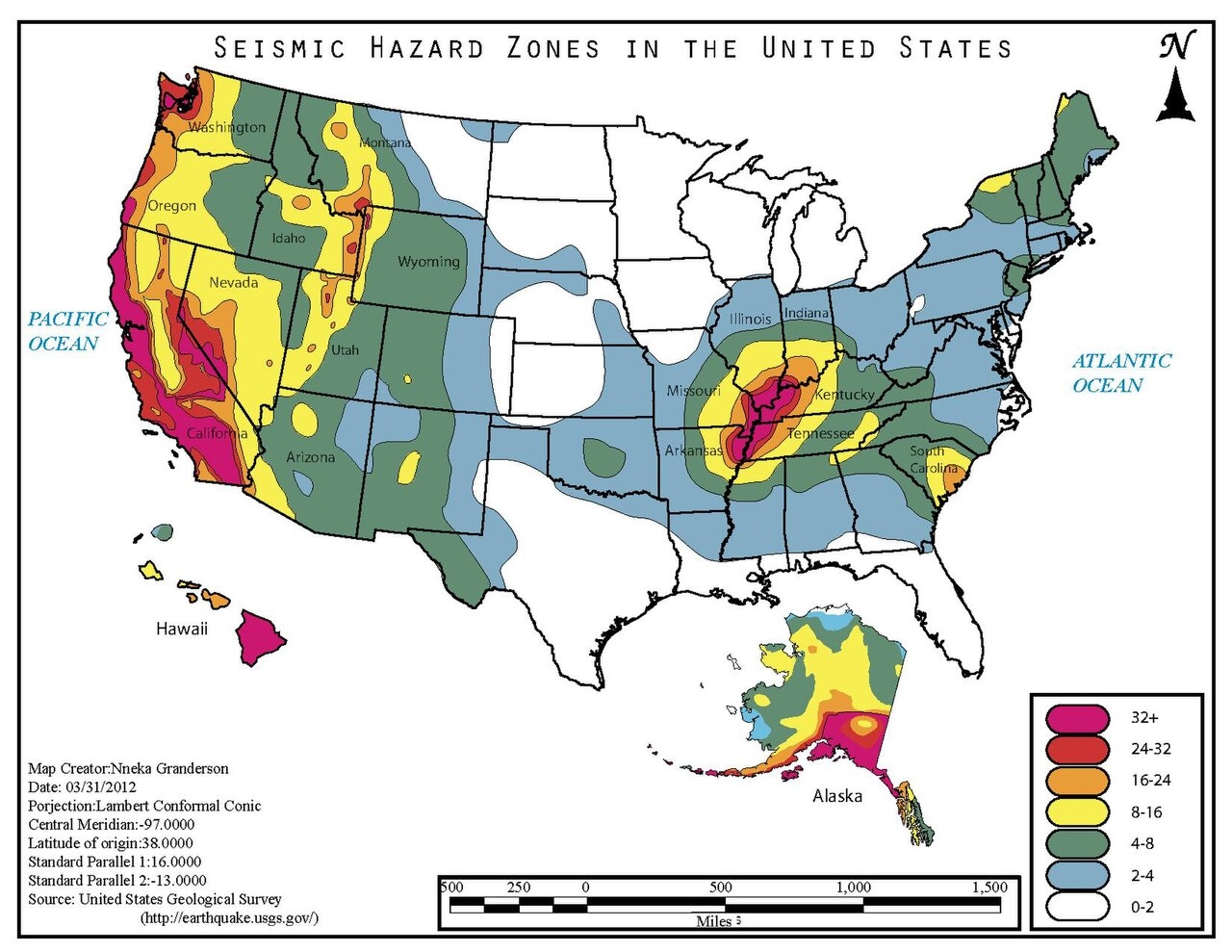
File Seismic Hazard Zones In The United States pdf Wikimedia Commons
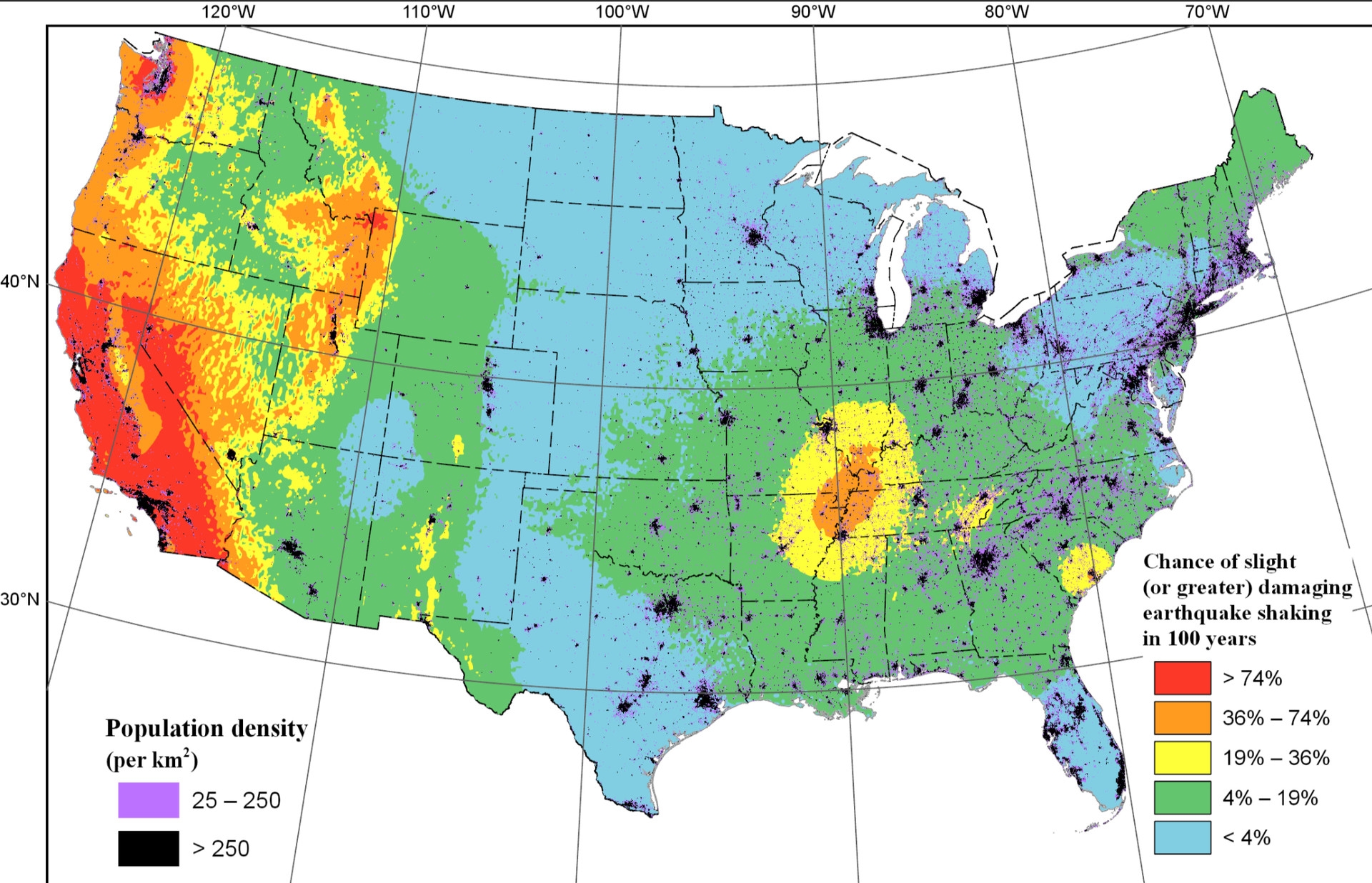
Map Earthquake Shake Zones Around The U S KQED
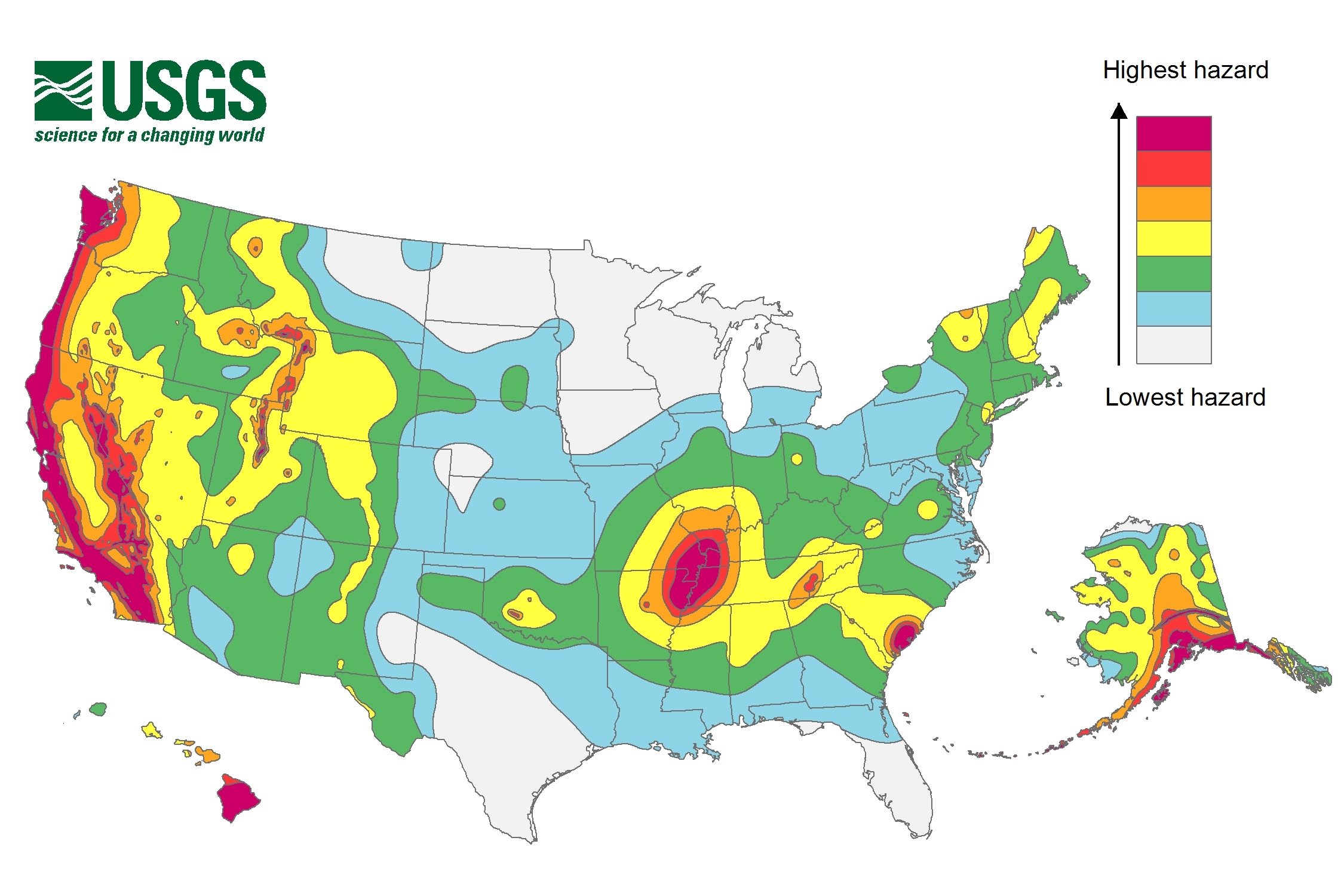
2018 Long term National Seismic Hazard Map U S Geological Survey
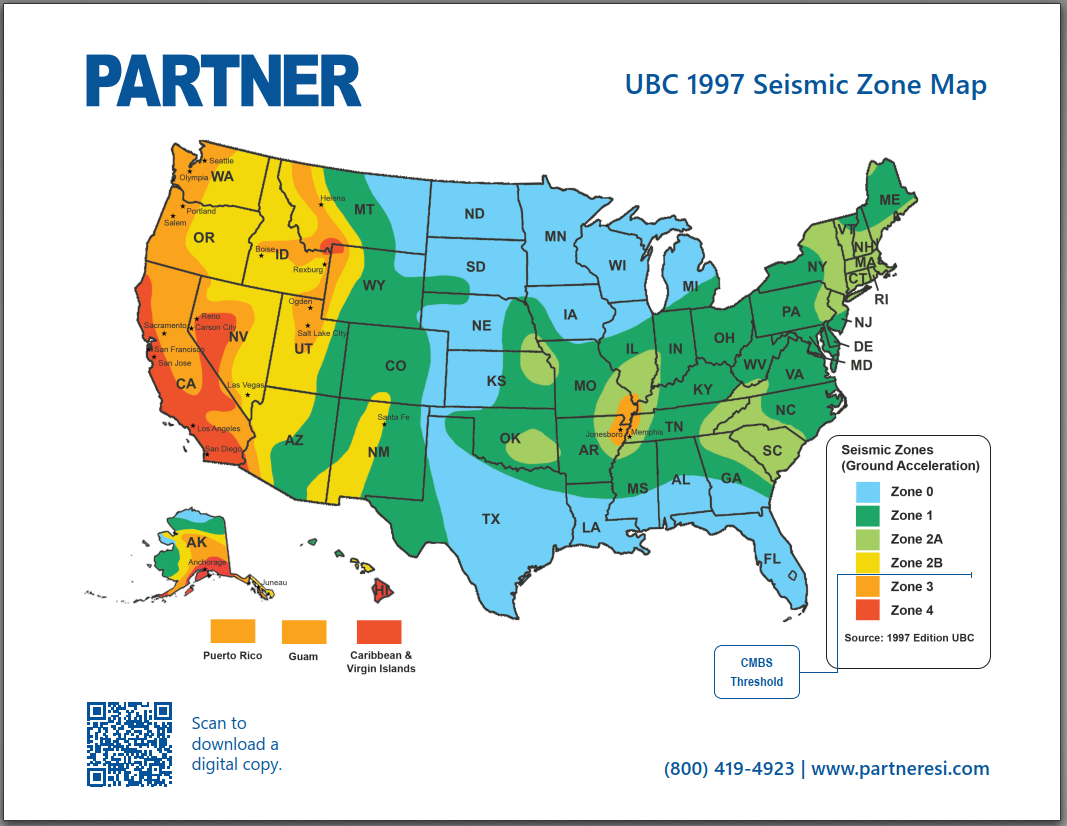
US UBC 1997 Seismic Zone Map Partner ESI