Have you ever wondered what the world looks like from above? A longitudinal map of the world provides a unique perspective on our planet, showing the lines that run from the North Pole to the South Pole.
These lines help us understand time zones, navigation, and the Earth’s rotation. By studying a longitudinal map, we can see how countries and continents are positioned in relation to each other.
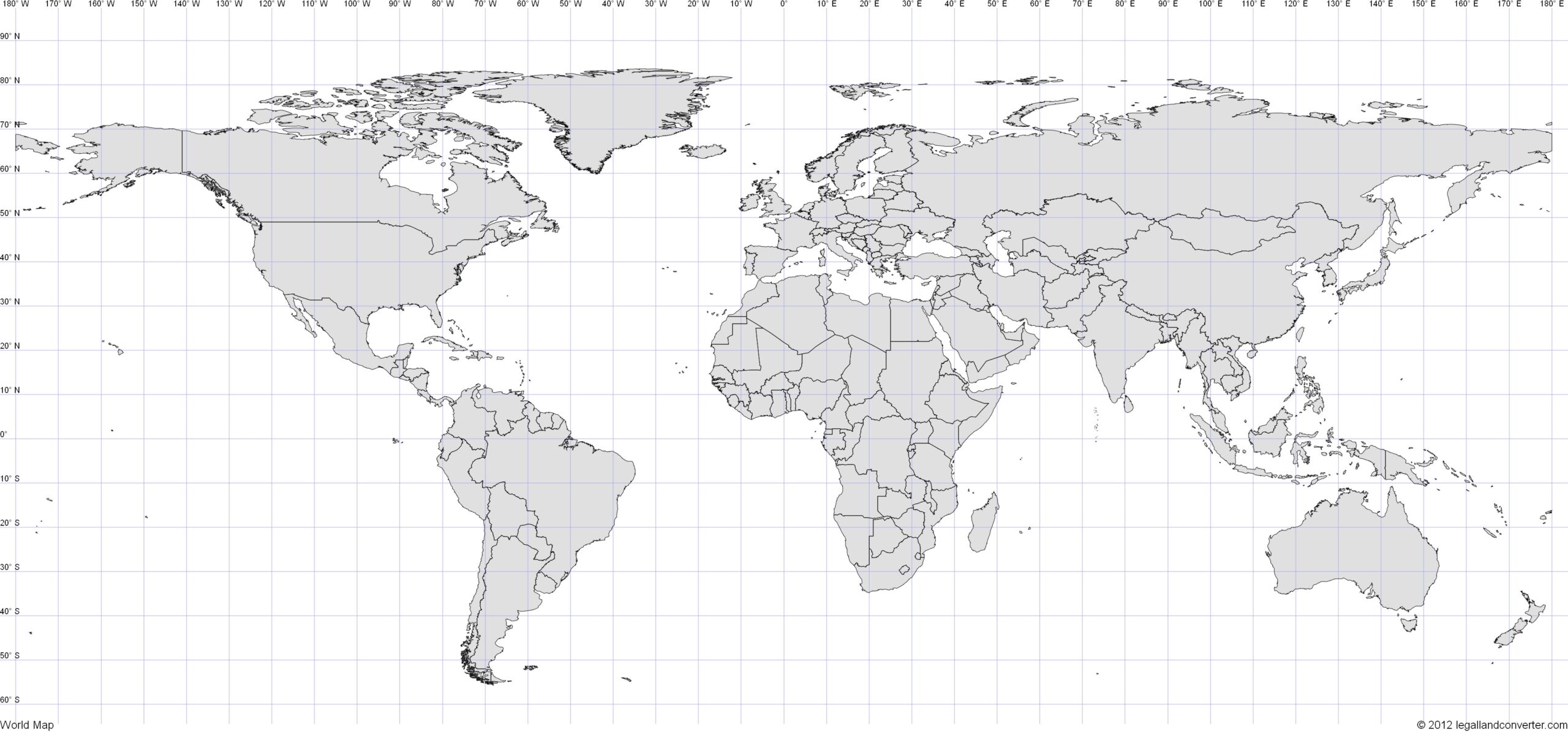
longitudinal map of the world
Exploring the Longitudinal Map of the World
Longitudinal maps are essential tools for cartographers, geographers, and explorers. They allow us to visualize the world in a way that is both informative and fascinating. By following the lines of longitude, we can trace our journey across oceans and continents.
One of the most interesting aspects of a longitudinal map is the International Date Line, where one day ends, and another begins. This imaginary line runs through the Pacific Ocean, separating one calendar day from the next.
As we study the longitudinal map of the world, we gain a deeper appreciation for the vastness and diversity of our planet. From the icy landscapes of Antarctica to the lush rainforests of the Amazon, each region has its own unique longitudinal coordinates.
Next time you look at a map, take a moment to consider the longitudinal lines that crisscross the globe. They may seem like simple lines on paper, but they represent the complex and interconnected nature of our world.
So, the next time you gaze at a longitudinal map of the world, remember that each line tells a story of time, distance, and connection. Our planet is a vast and beautiful place, waiting to be explored and understood.
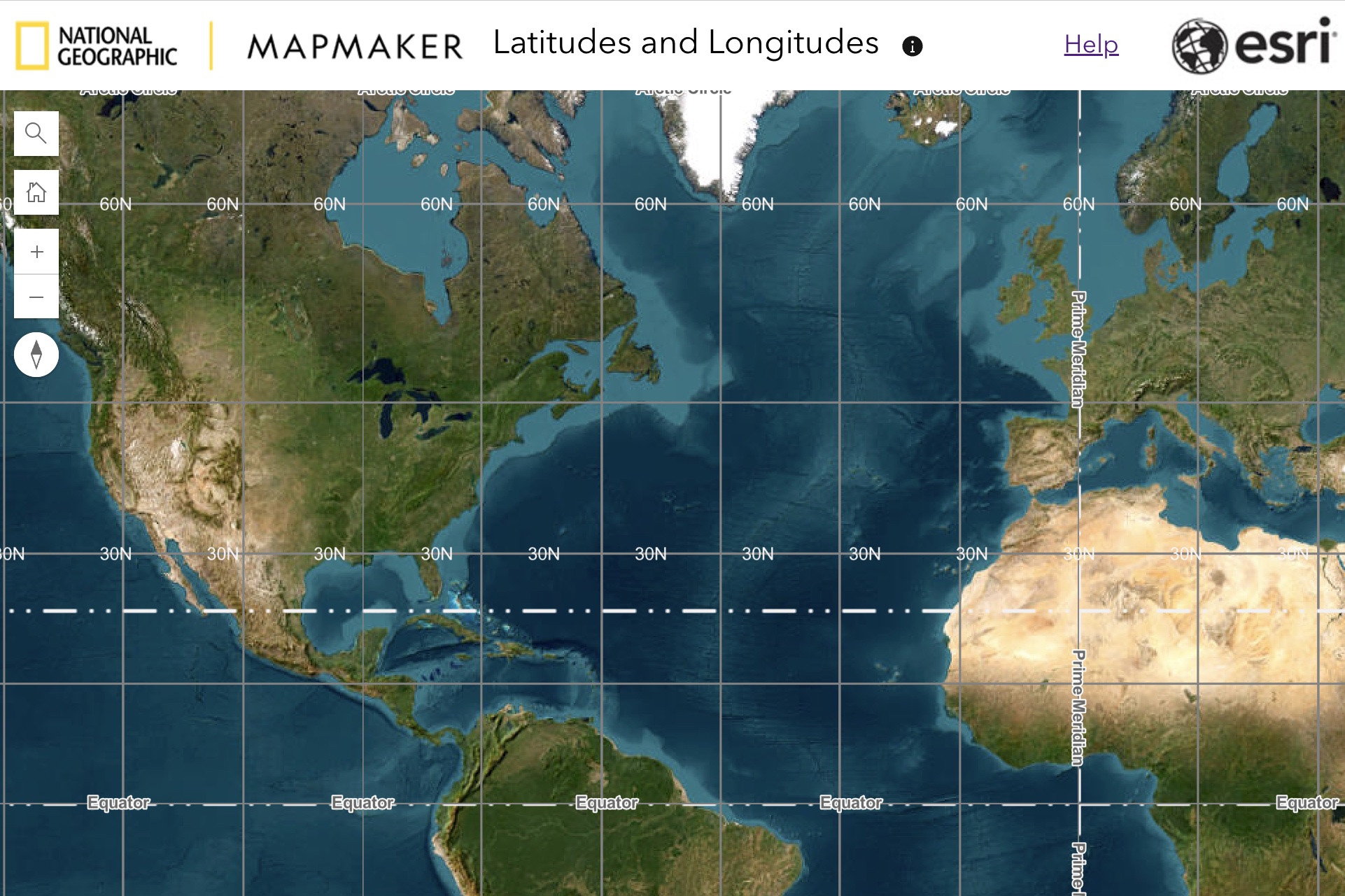
MapMaker Latitude And Longitude
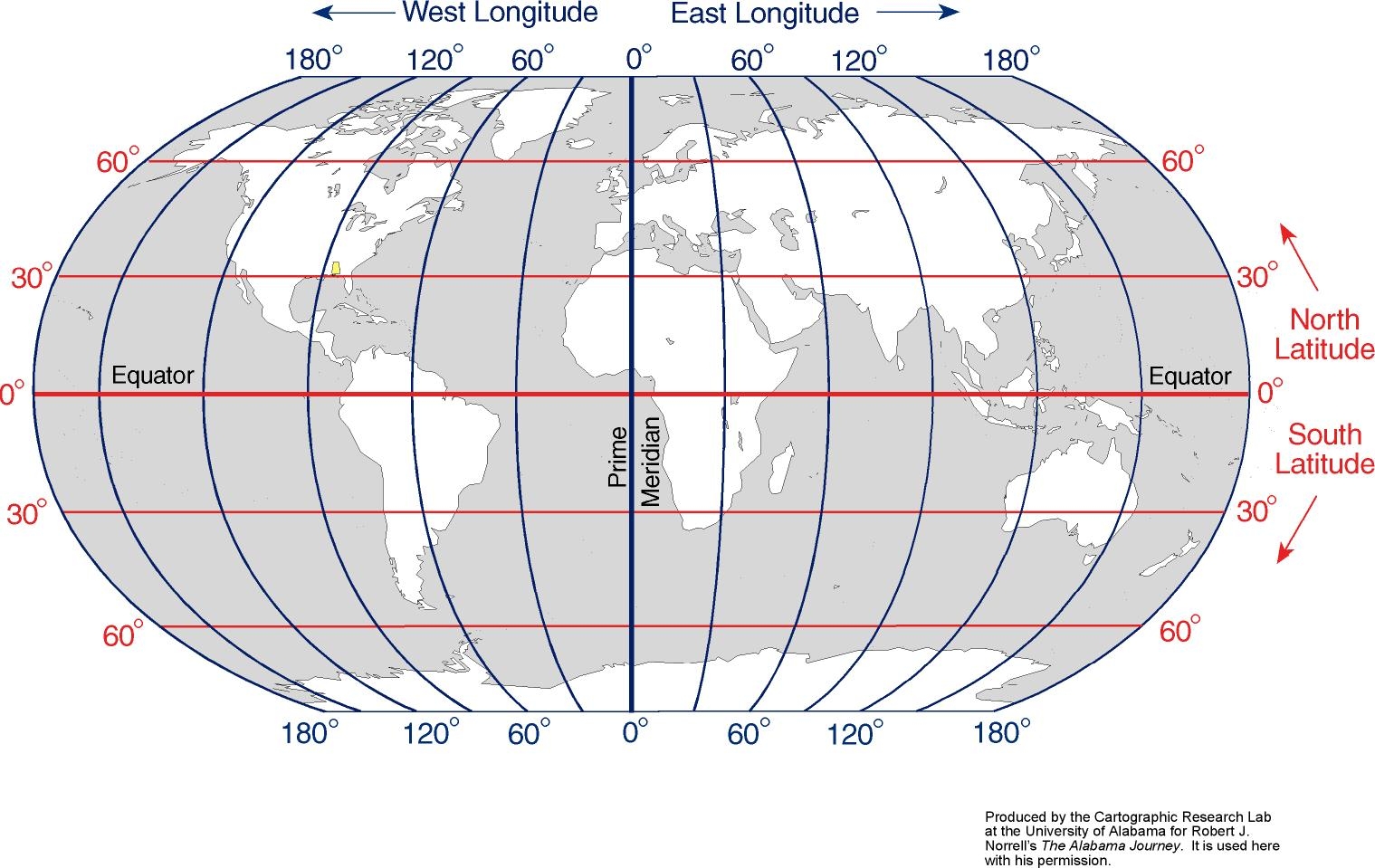
Maps Of The World
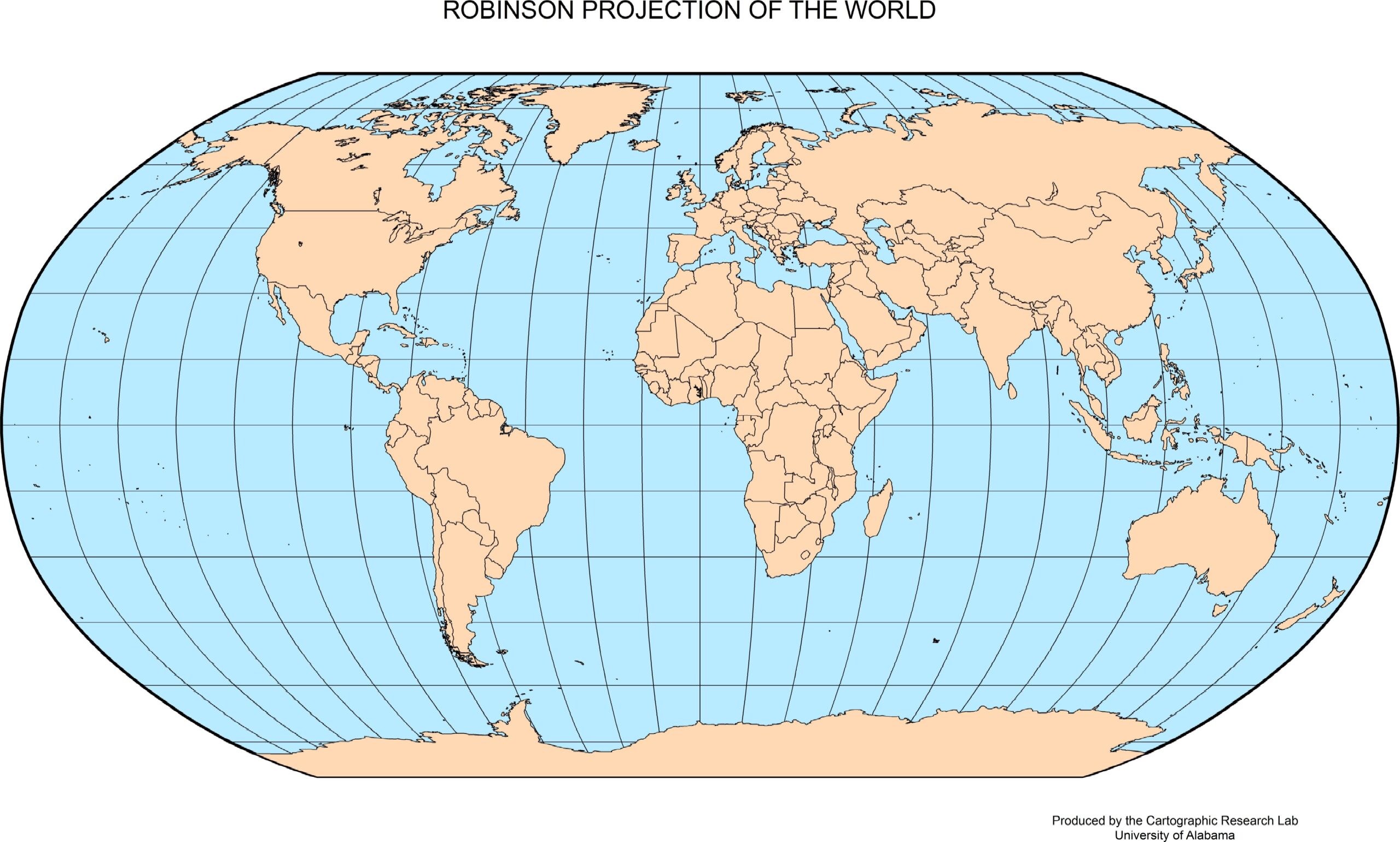
Maps Of The World
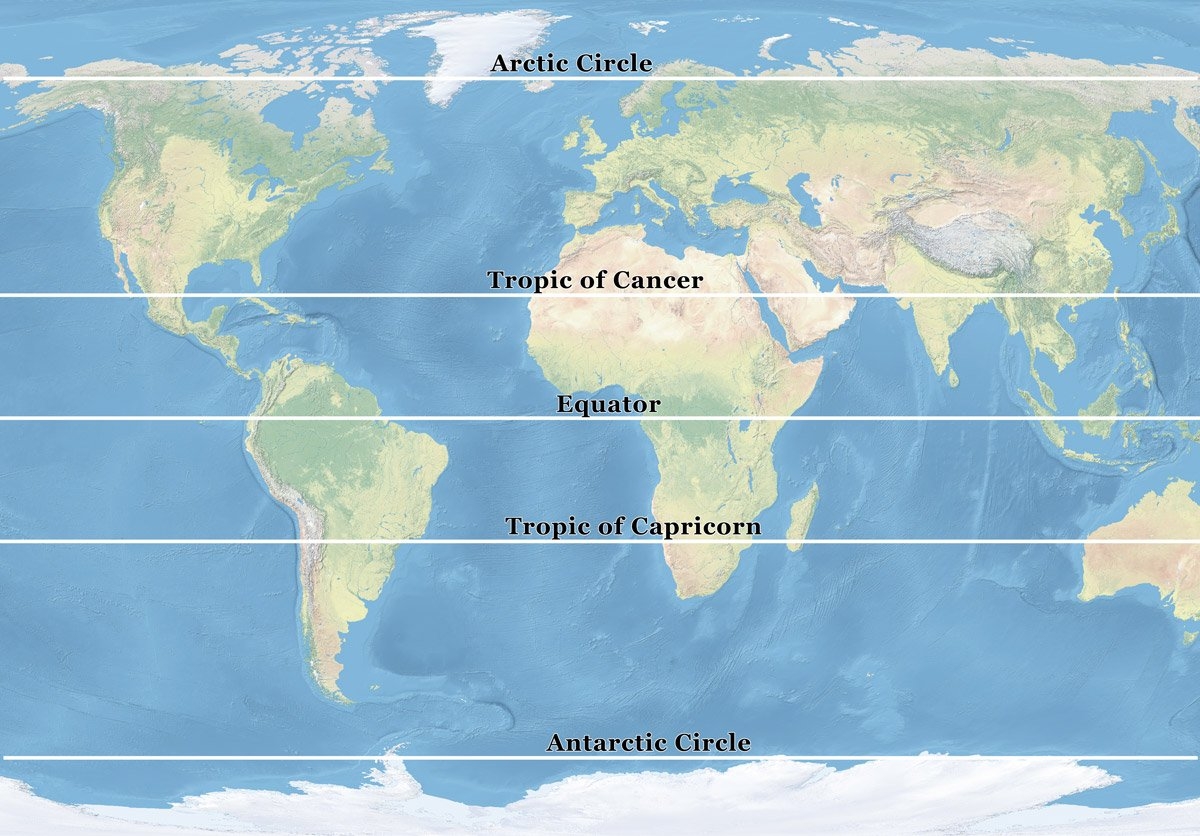
Latitude And Longitude Explained How To Read Geographic Coordinates Geography Realm
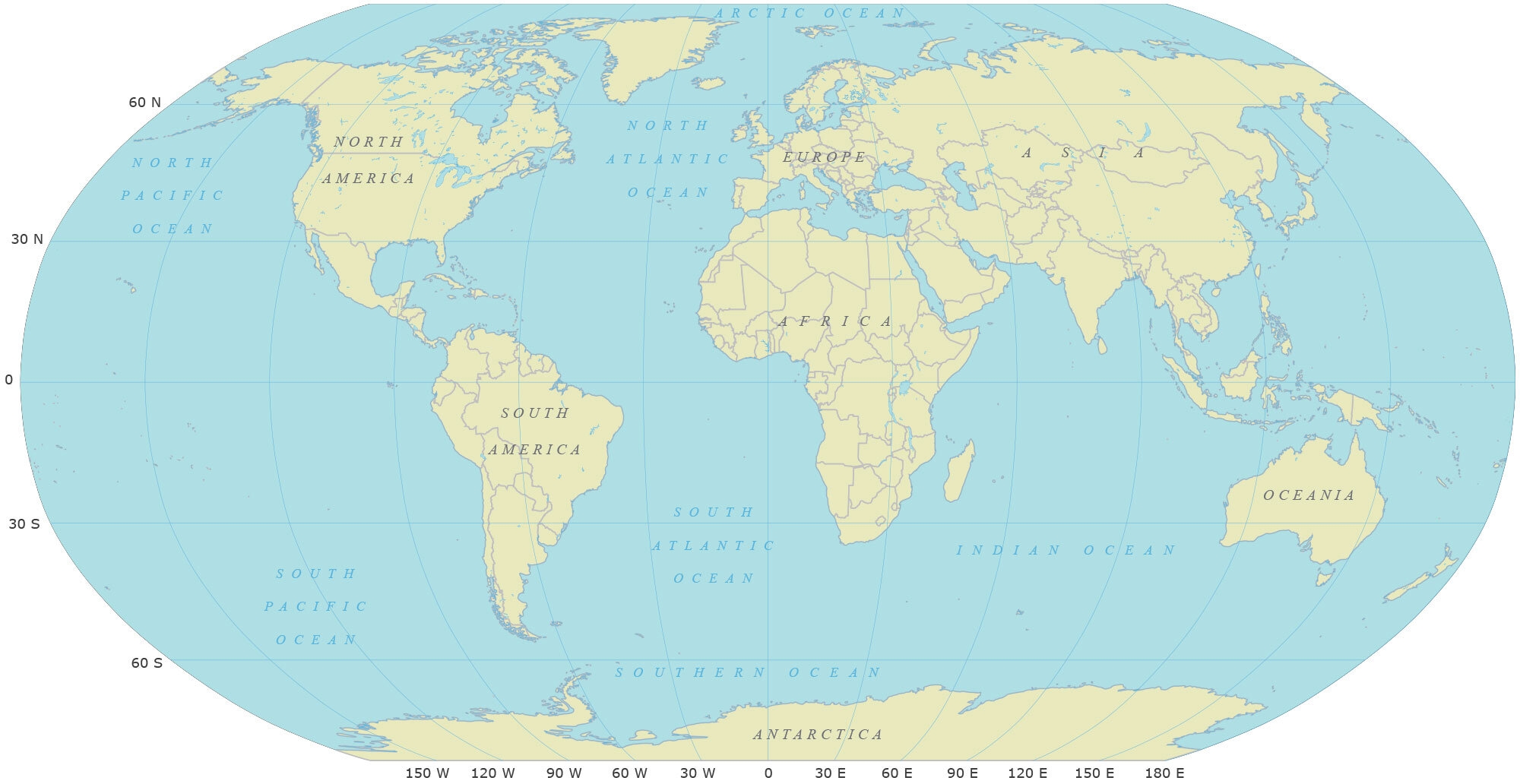
World Map With Latitudes And Longitudes GIS Geography