After World War I, Europe underwent significant changes that reshaped the political map of the continent. The Treaty of Versailles, signed in 1919, led to the dissolution of empires and the creation of new nations.
The post-World War I Europe map looked vastly different from the one before the war. The Austro-Hungarian Empire, Ottoman Empire, and Russian Empire collapsed, paving the way for the emergence of independent states such as Poland, Czechoslovakia, and Yugoslavia.
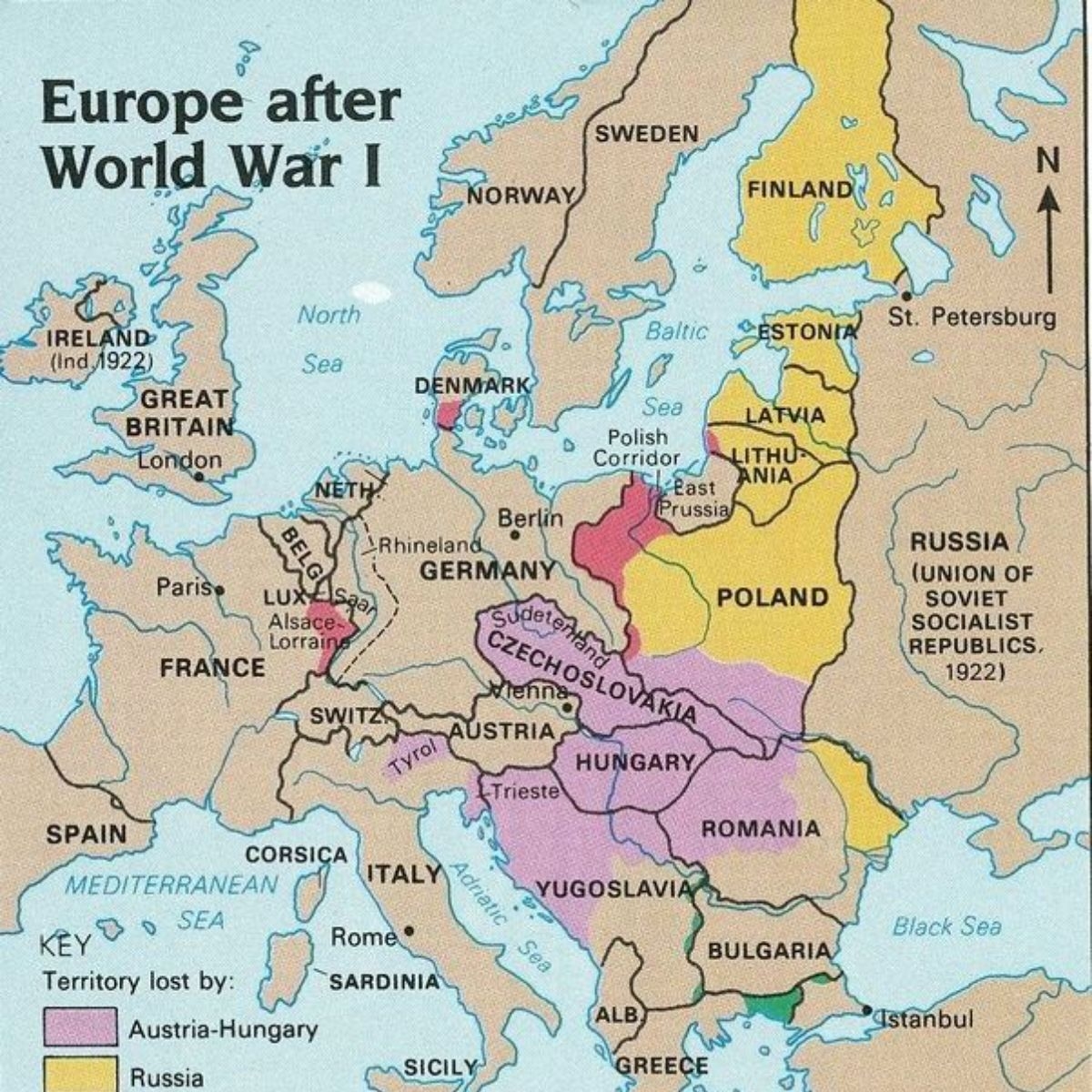
post world war 1 europe map
Exploring the Post World War 1 Europe Map
These newly formed countries faced numerous challenges, including ethnic tensions, economic struggles, and territorial disputes. The redrawn borders often failed to consider the diverse ethnic groups within the region, leading to ongoing conflicts and instability.
The map of Europe after World War I reflected the aspirations of national self-determination but also sowed the seeds of future conflicts. The League of Nations, established to promote peace and prevent future wars, struggled to maintain stability in the region.
Despite the noble intentions behind the post-World War I Europe map, the geopolitical landscape remained volatile. The rise of totalitarian regimes, economic hardships, and unresolved territorial disputes set the stage for the outbreak of World War II just two decades later.
In conclusion, the post-World War I Europe map symbolized both hope and challenges for the continent. While new nations emerged and old empires crumbled, the aftermath of the Great War laid the foundation for future conflicts and geopolitical shifts that would shape the course of history.
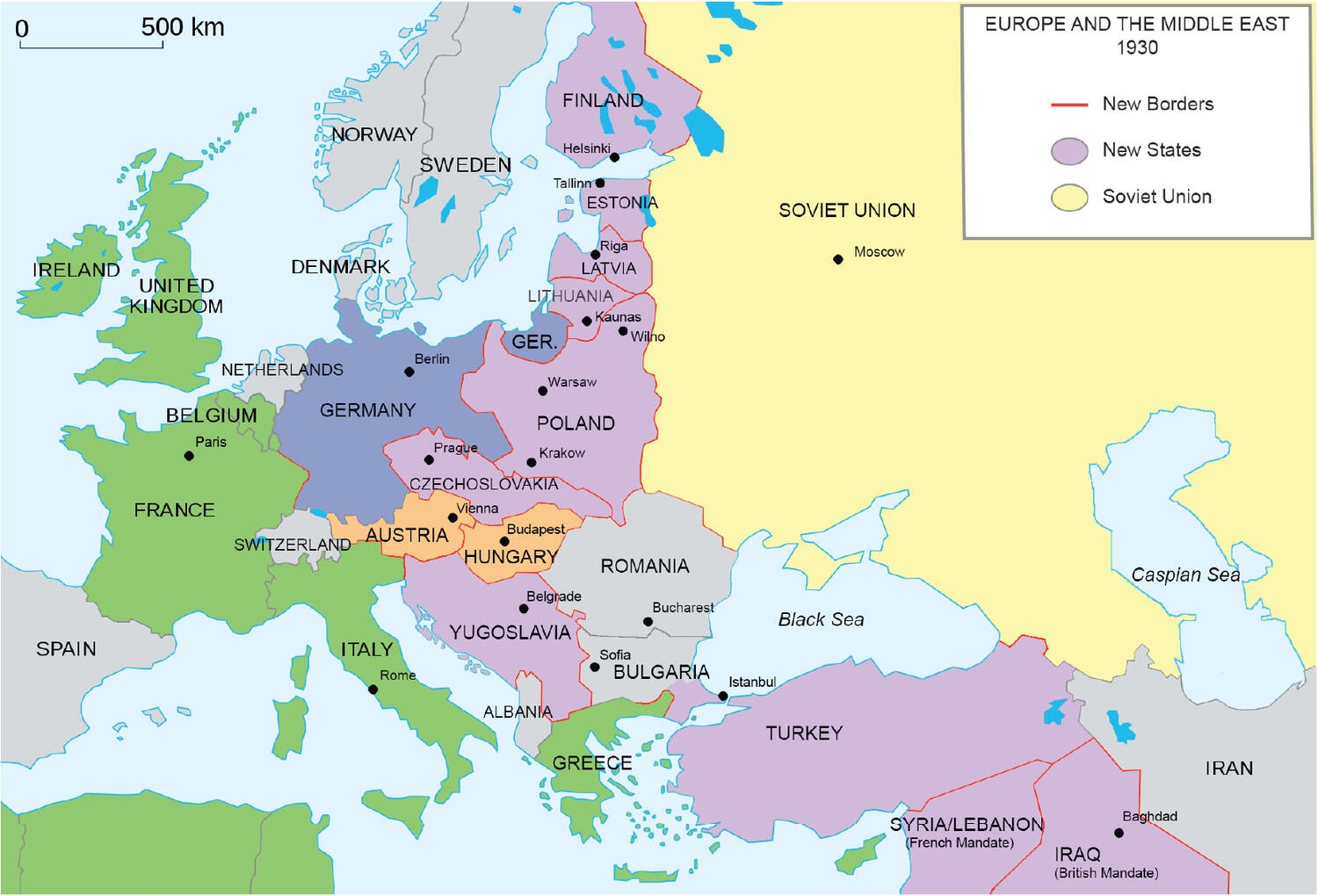
Maps Of Europe Before And After WWI Posen Library Worksheets Library
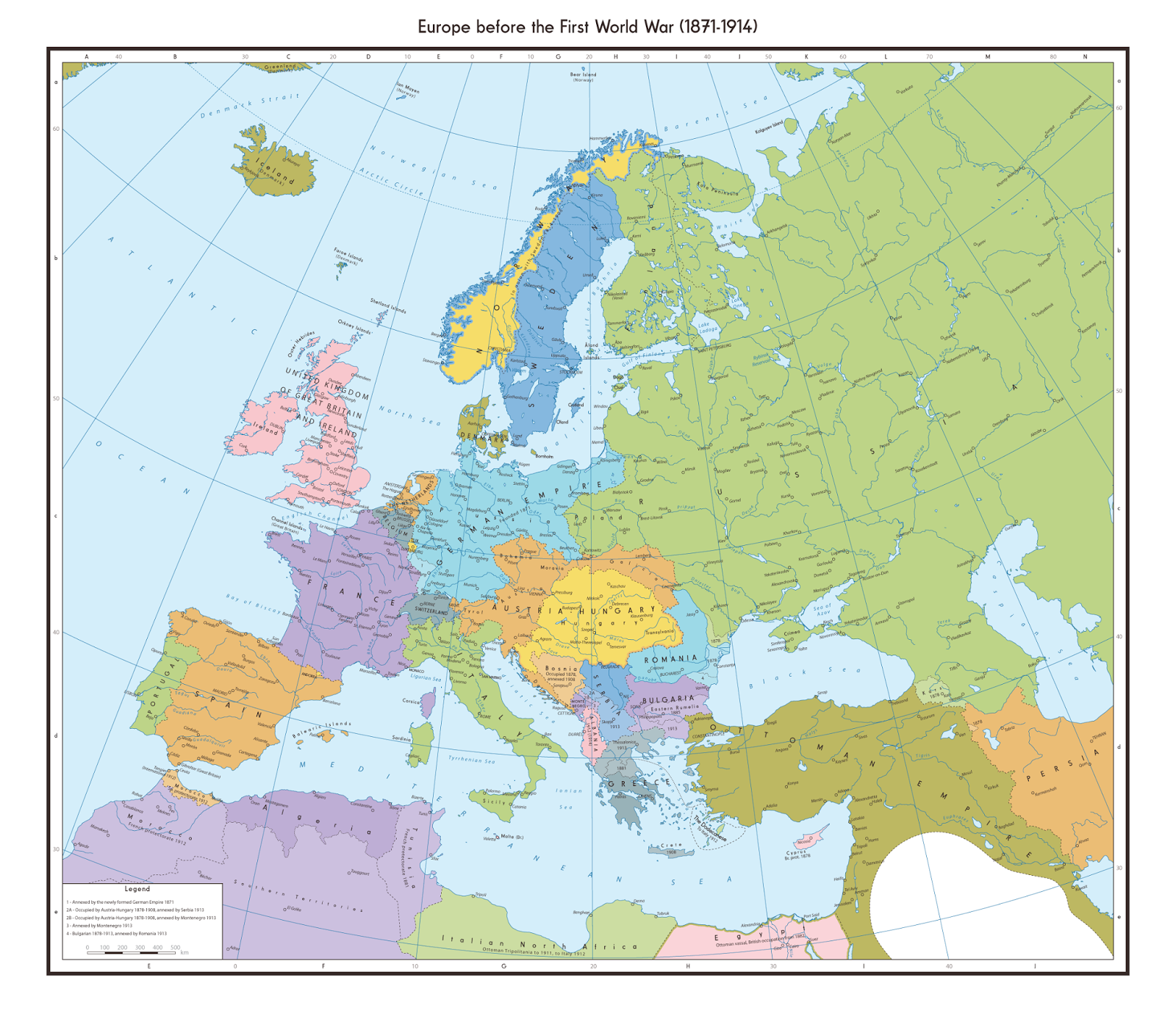
Europe Before And After The First World War Vivid Maps
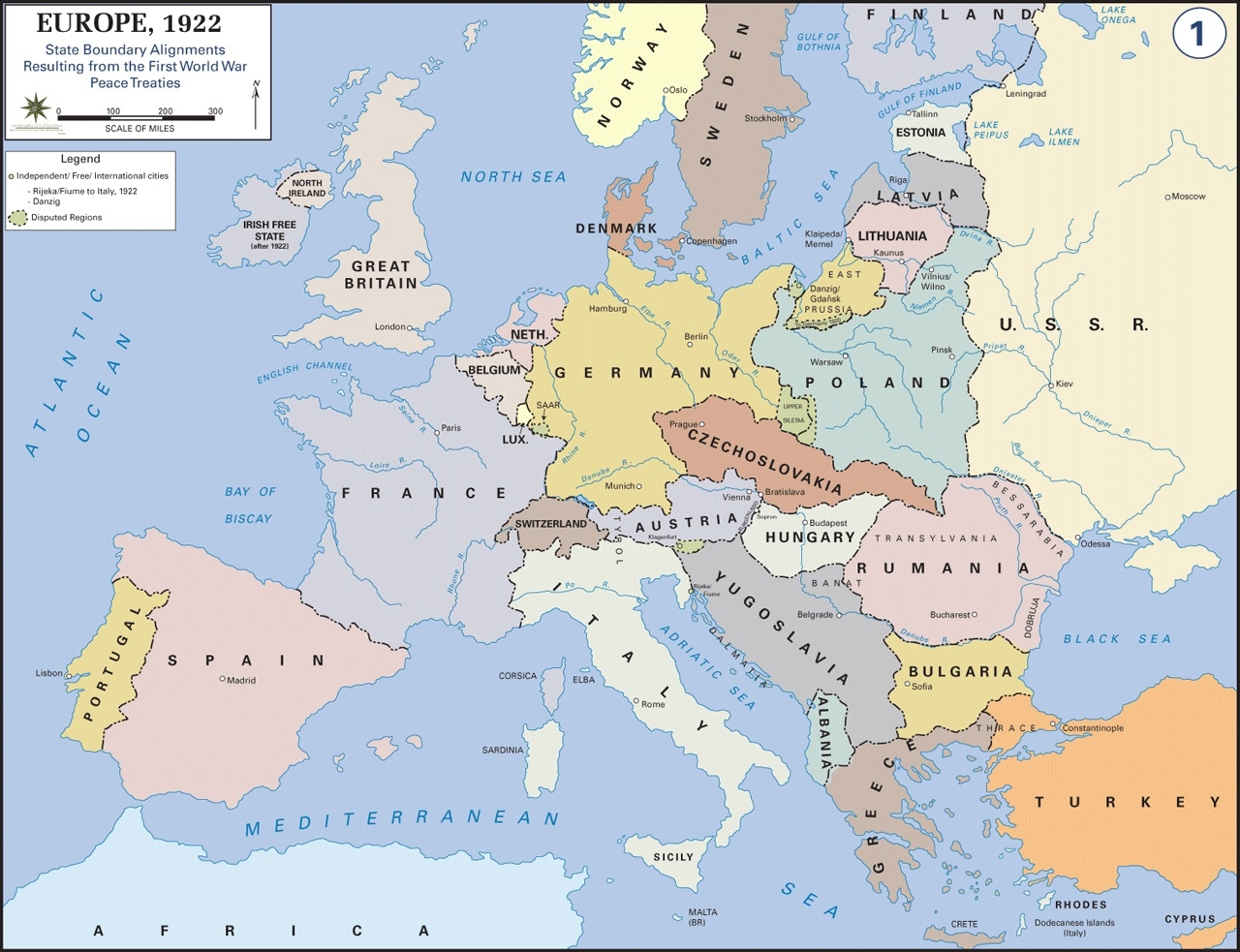
WWII War Theatre Maps Europe After World War I
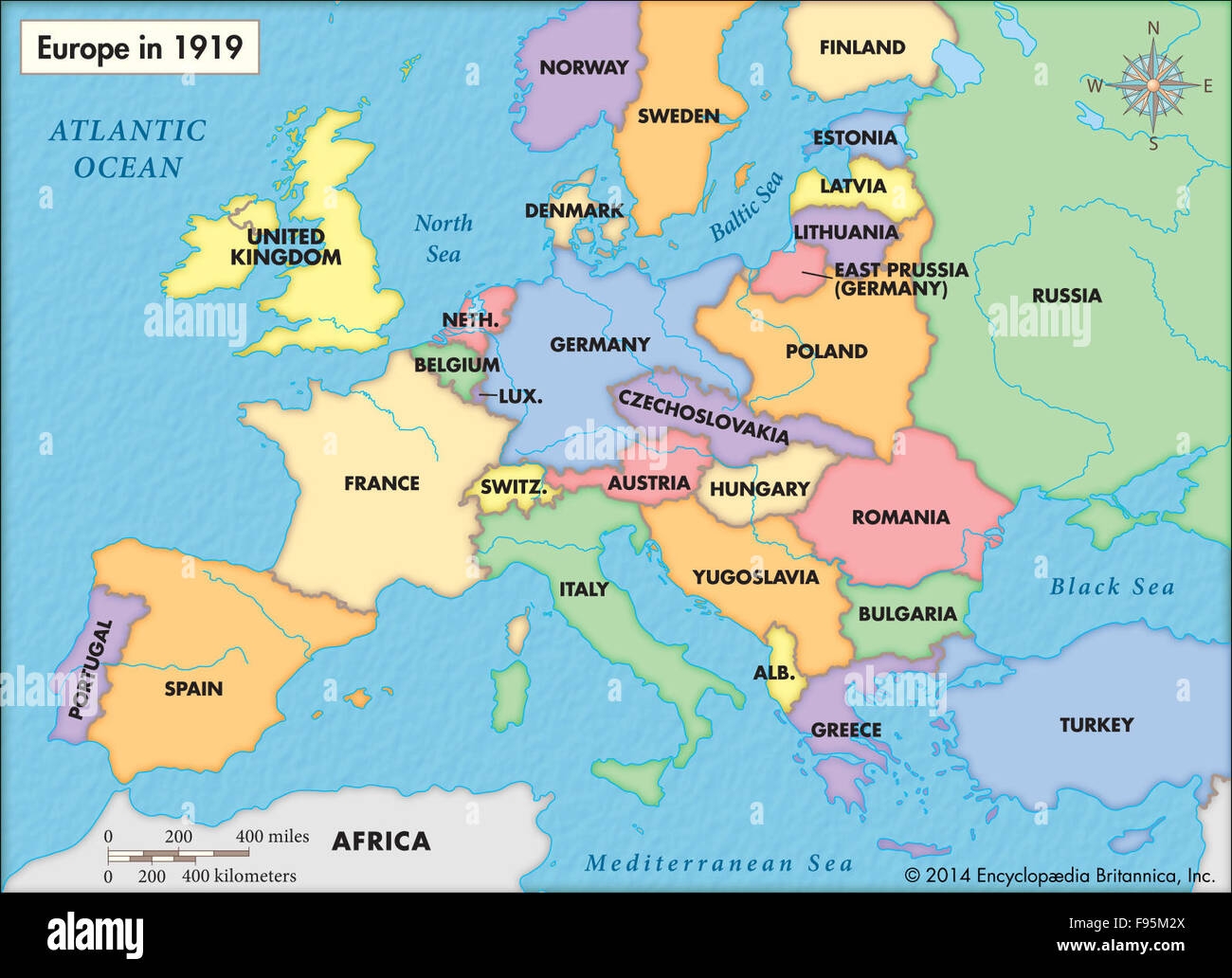
Europe In 1919 After World War I Stock Photo Alamy
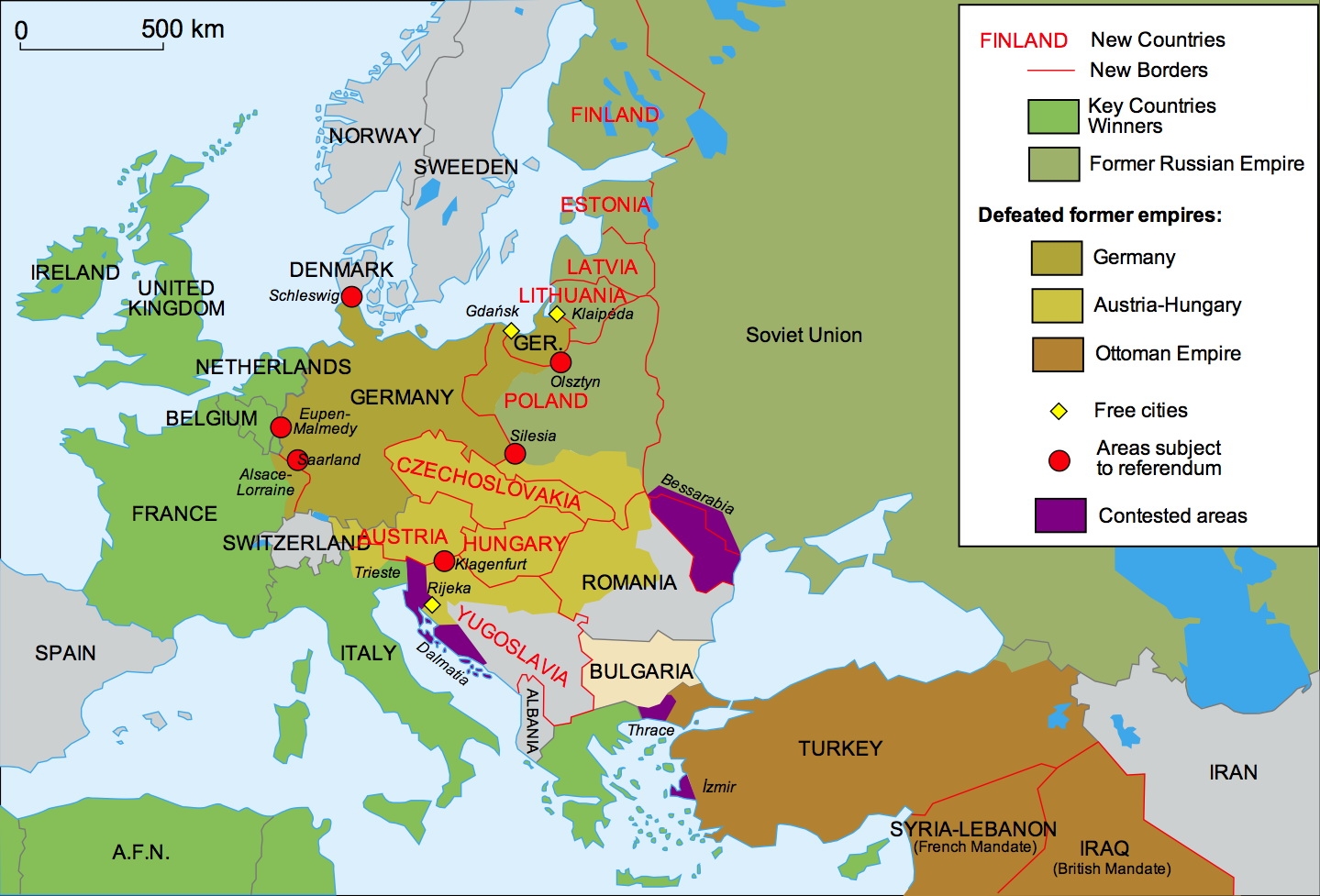
American Victory Map Of Europe Made After The End Of WW 1 Showing Roughly What Should Be Borders Of New States Vivid Maps