Have you ever wondered about the diverse cultures and societies around the world? One fascinating way to explore this is through an ethnographic map of the world. This type of map showcases the different ethnic groups, languages, and traditions that exist across the globe.
By studying an ethnographic map of the world, you can gain insights into the rich tapestry of human civilization. From the indigenous peoples of the Americas to the tribal communities of Africa and Asia, these maps offer a visual representation of our interconnected world.
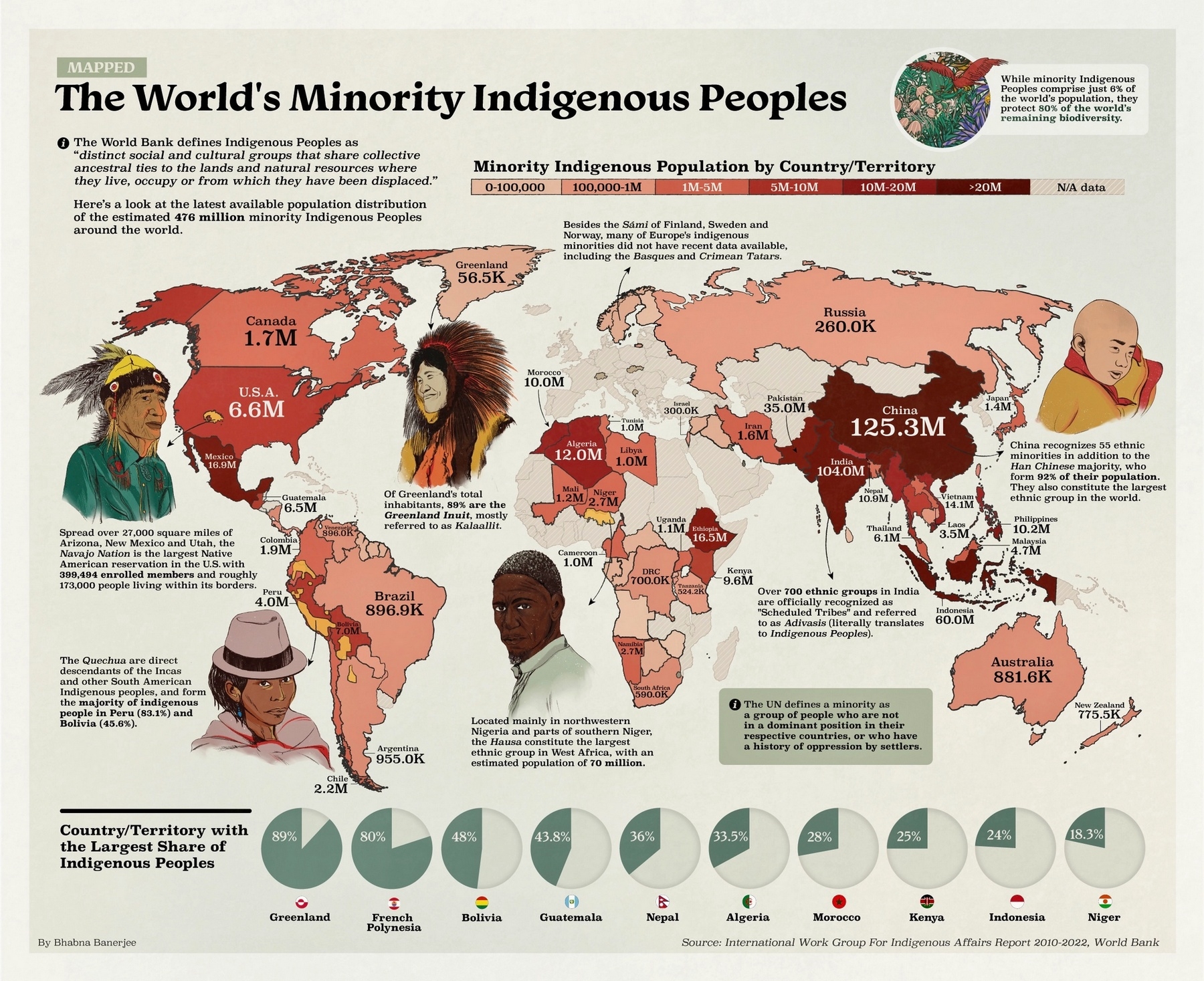
ethnographic map of the world
Exploring the Diversity of Cultures
Each region on an ethnographic map is color-coded to represent the various ethnic groups that call that area home. This helps us understand the distribution of different cultures and how they have evolved and interacted over time.
Moreover, these maps often include information on languages spoken, religious beliefs, and cultural practices. This holistic view allows us to appreciate the complexity and beauty of human diversity and the ways in which we are all connected despite our differences.
Whether you are a student, a traveler, or simply curious about the world, exploring an ethnographic map of the world can be a rewarding experience. It opens our eyes to the vast array of cultures that exist and reminds us of the importance of cultural preservation and understanding.
Next time you look at a world map, consider seeking out an ethnographic version to deepen your appreciation for the global mosaic of humanity. It’s a small reminder that we are all part of something much bigger and more intricate than we often realize.
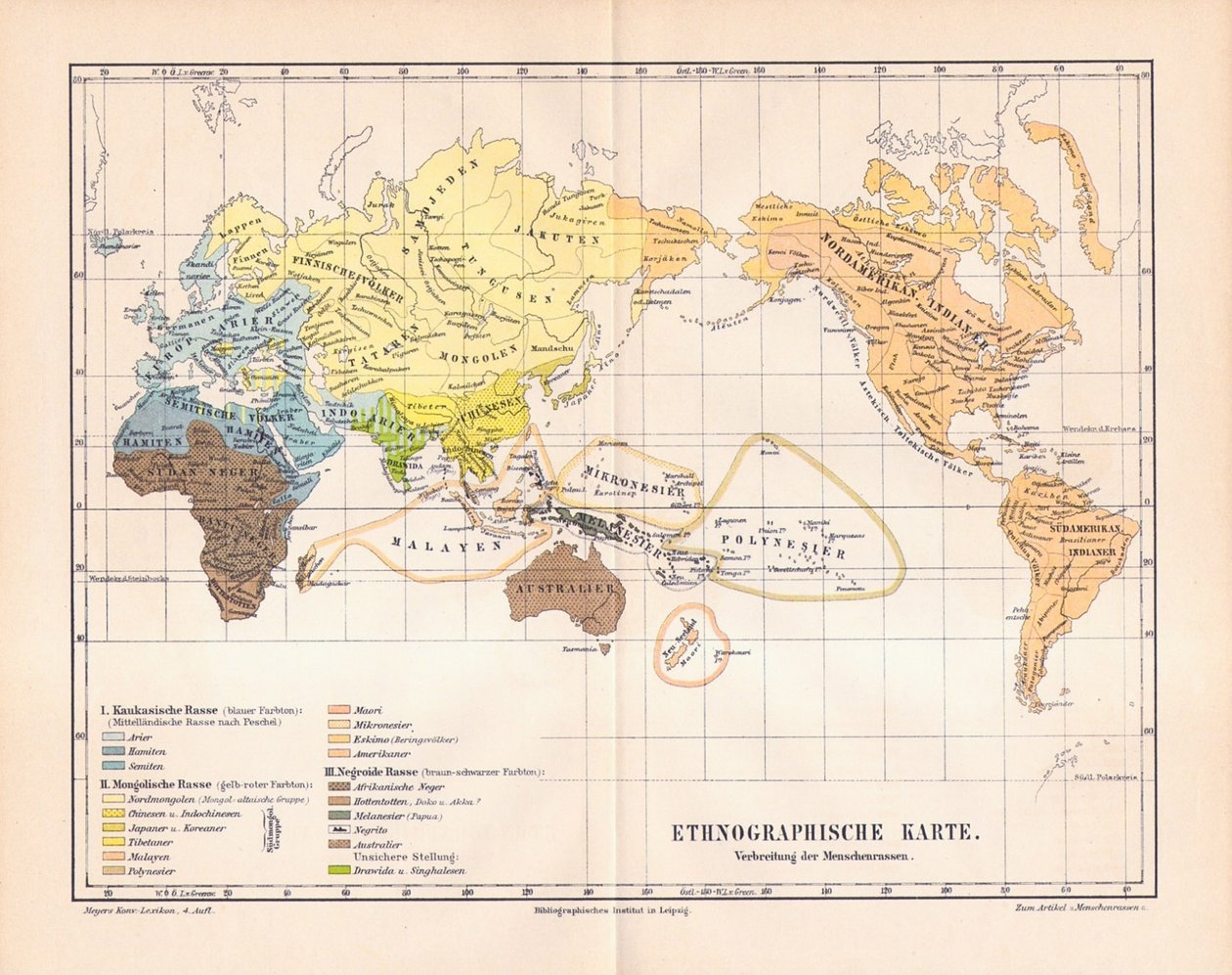
Ethnographic Map Of The World By German School
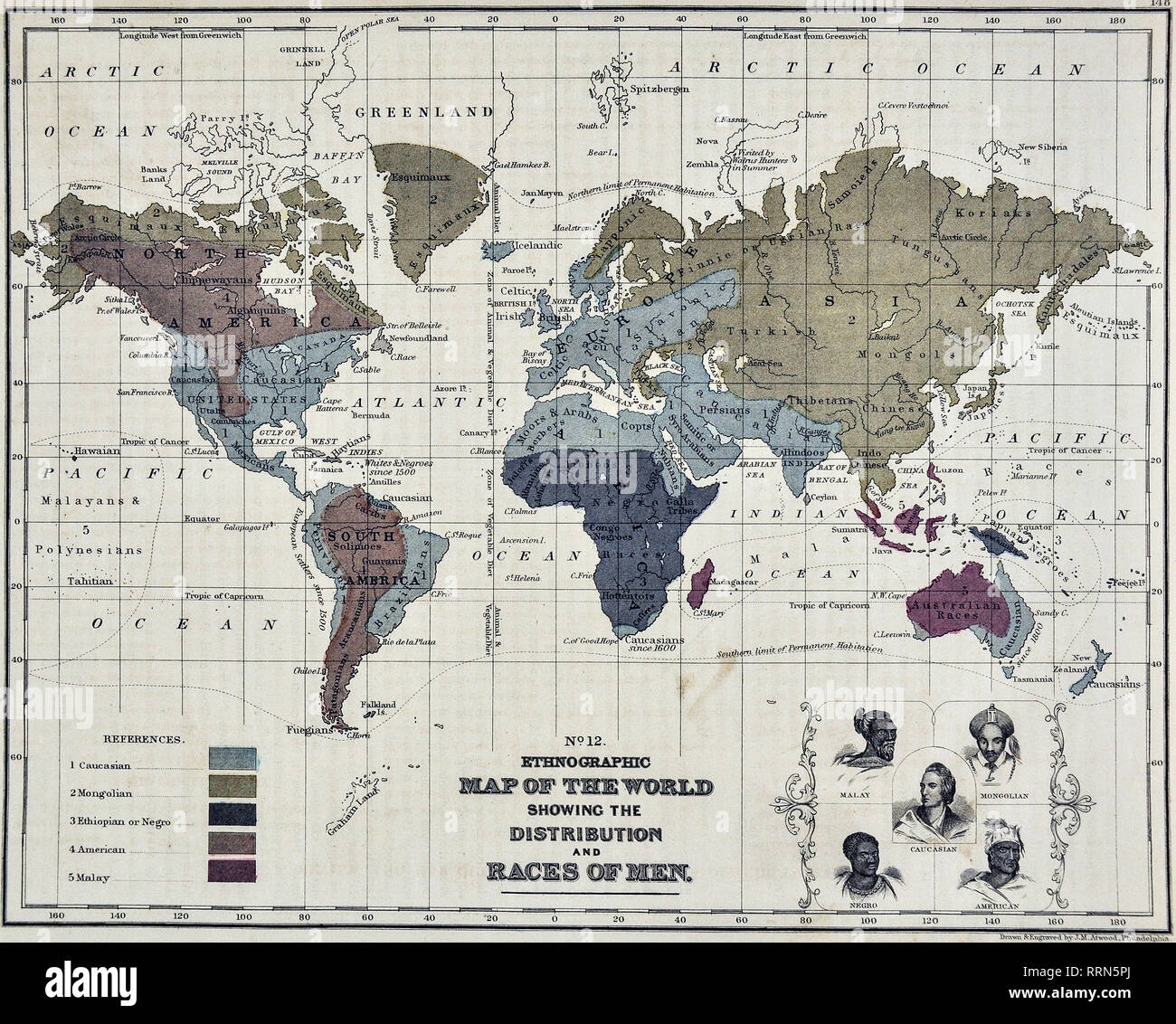
1868 Mitchell Ethnographic World Map Showing Distribution Of Ethnic Races Stock Photo Alamy
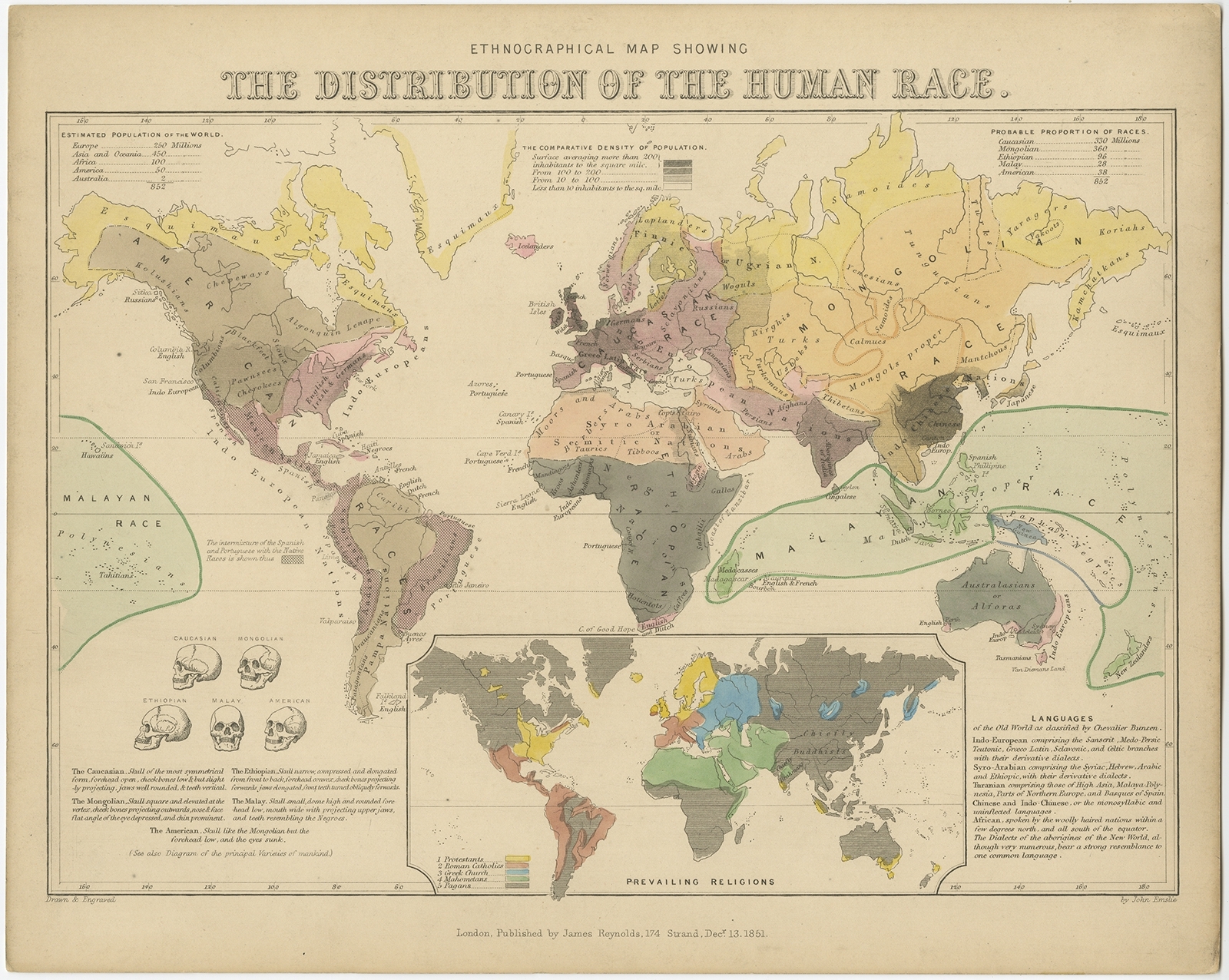
Antique Ethnographical Map Of The World By Reynolds 1851
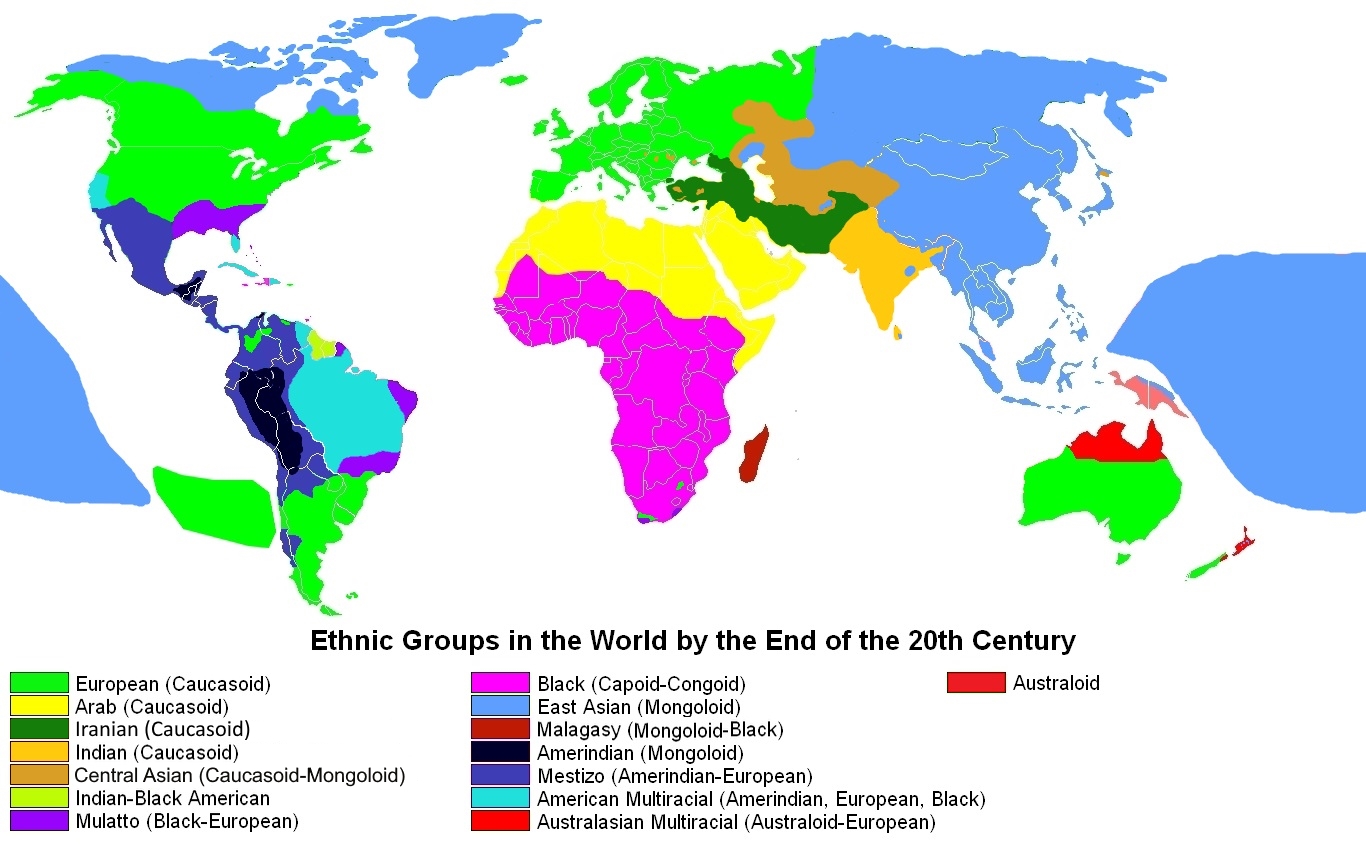
File Ethnic Groups In The World jpg Wikimedia Commons
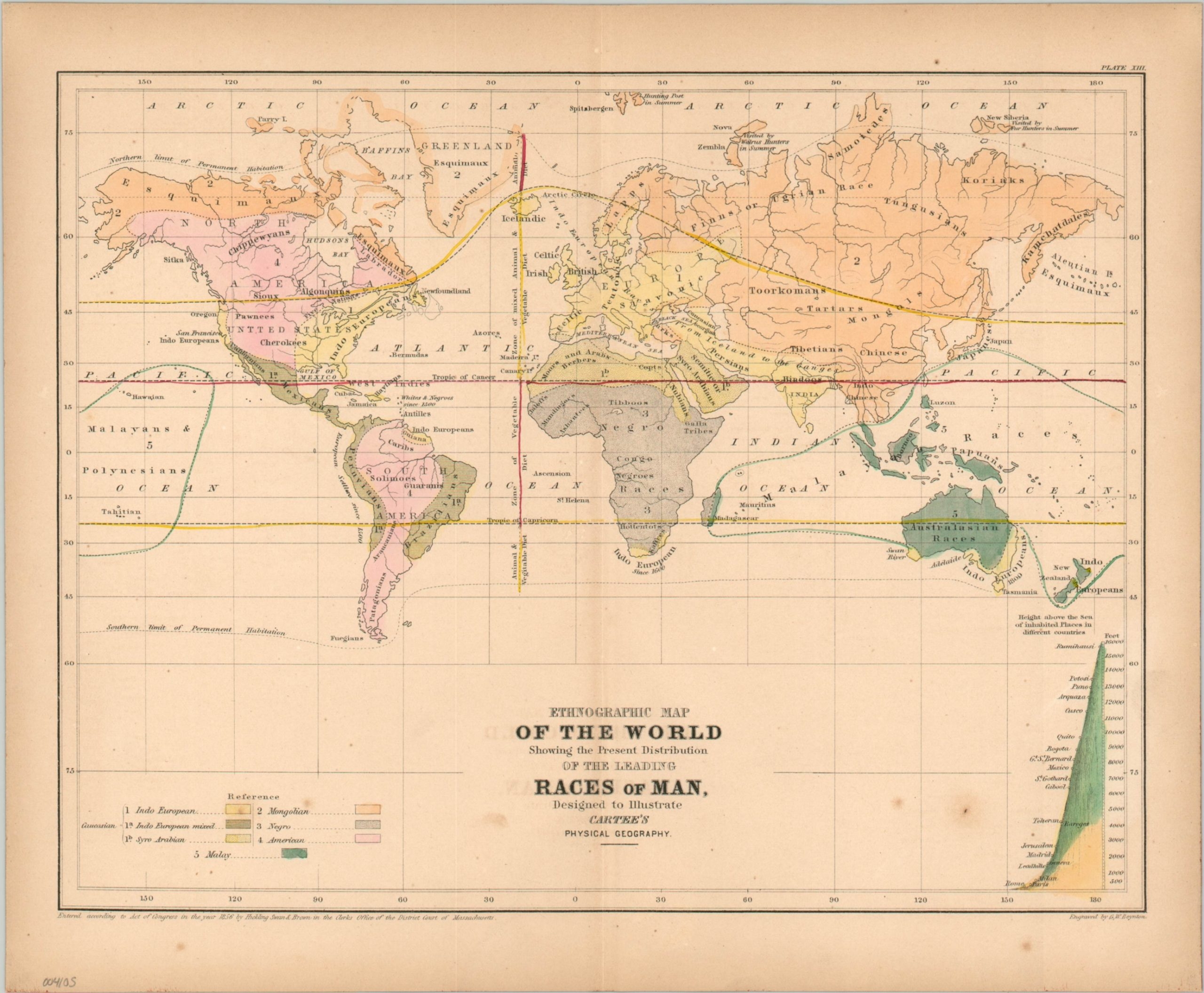
Ethnographic Map Of The World Showing The Present Distribution Of The Leading Races Of Man Curtis Wright Maps