After World War 1, Europe faced significant changes that reshaped the map of the continent. The Treaty of Versailles, signed in 1919, imposed harsh penalties on Germany, leading to economic turmoil and political instability.
The redrawn borders of Europe created new countries like Poland, Czechoslovakia, and Yugoslavia. The Austro-Hungarian and Ottoman Empires collapsed, giving rise to independent nations. The League of Nations was established to promote peace and prevent future conflicts.
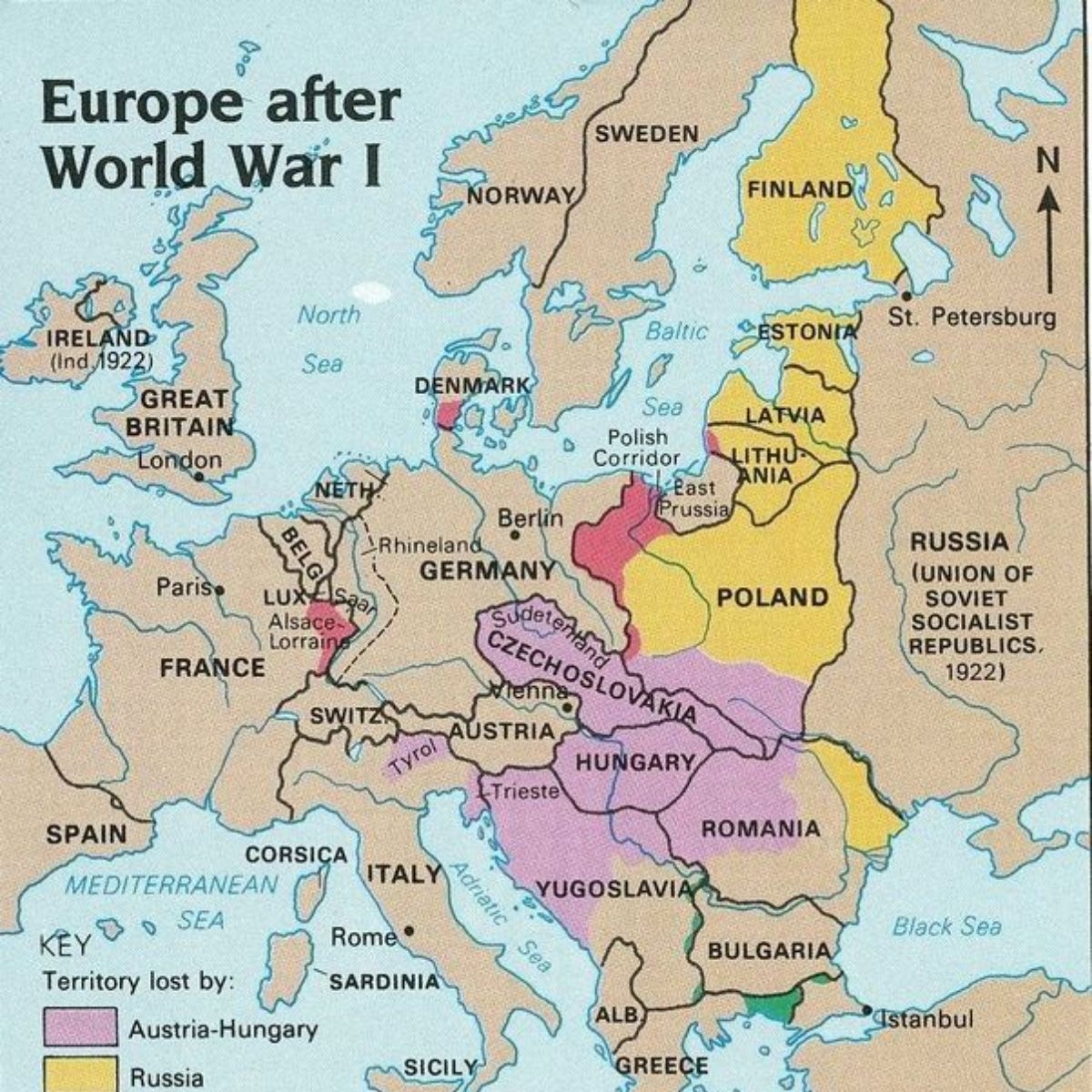
europe after world war 1 map
Exploring the Europe After World War 1 Map
The map of Europe after World War 1 reflected the shifting power dynamics and geopolitical realities of the time. Countries like France and Britain emerged as dominant players, while Germany faced territorial losses and military restrictions.
The rise of nationalism and the desire for self-determination among ethnic groups led to the creation of nation-states in Central and Eastern Europe. The map was a patchwork of newly formed countries and territories, marking a new chapter in European history.
The aftermath of World War 1 laid the foundation for future conflicts and tensions in Europe. The unresolved issues and grievances from the war would eventually contribute to the outbreak of World War 2, shaping the course of history for years to come.
In conclusion, the Europe after World War 1 map was a testament to the dramatic changes and challenges faced by the continent. The legacy of the Great War continued to influence politics, borders, and alliances, setting the stage for a tumultuous period in European history.
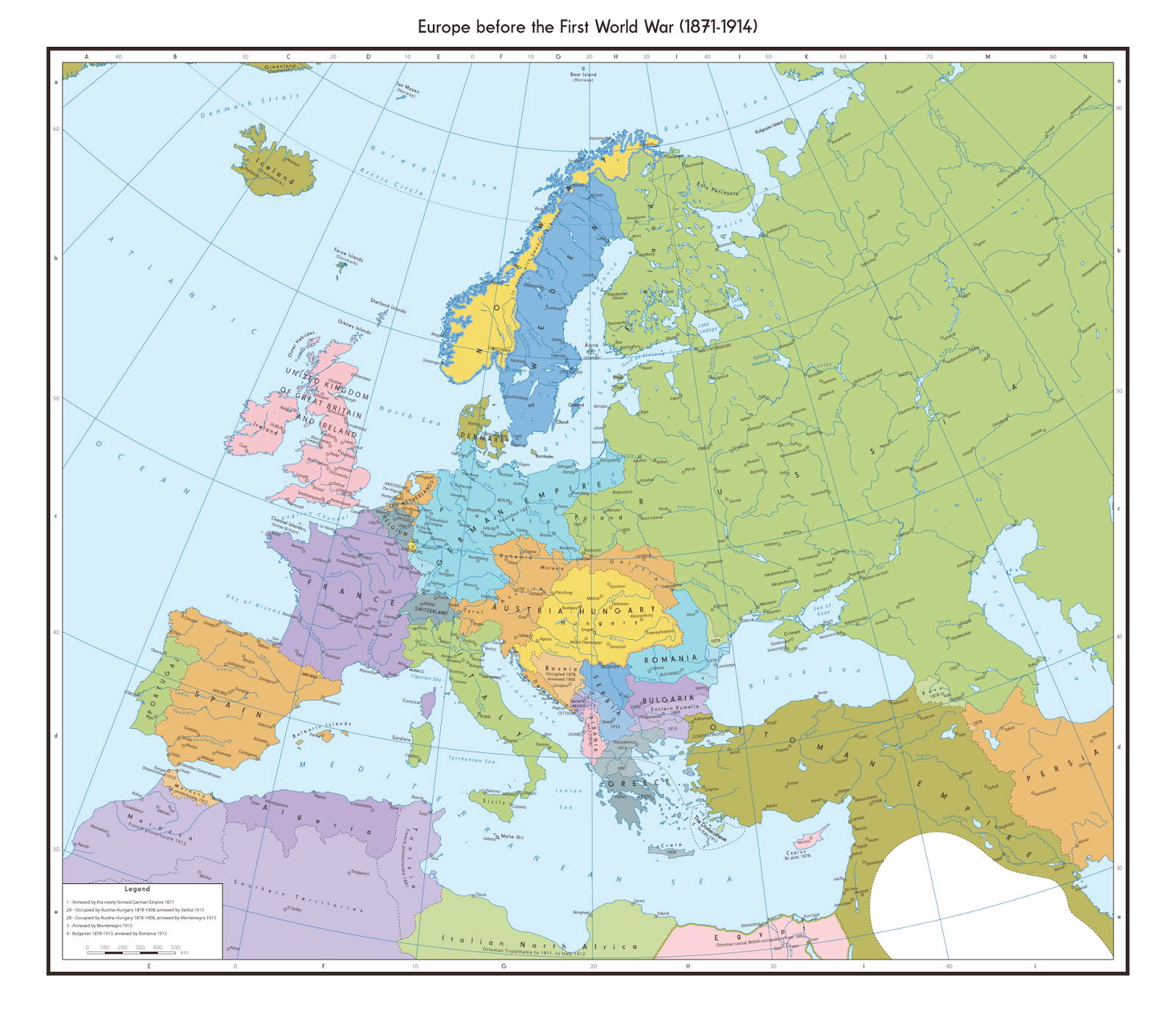
Europe Before And After The First World War Vivid Maps
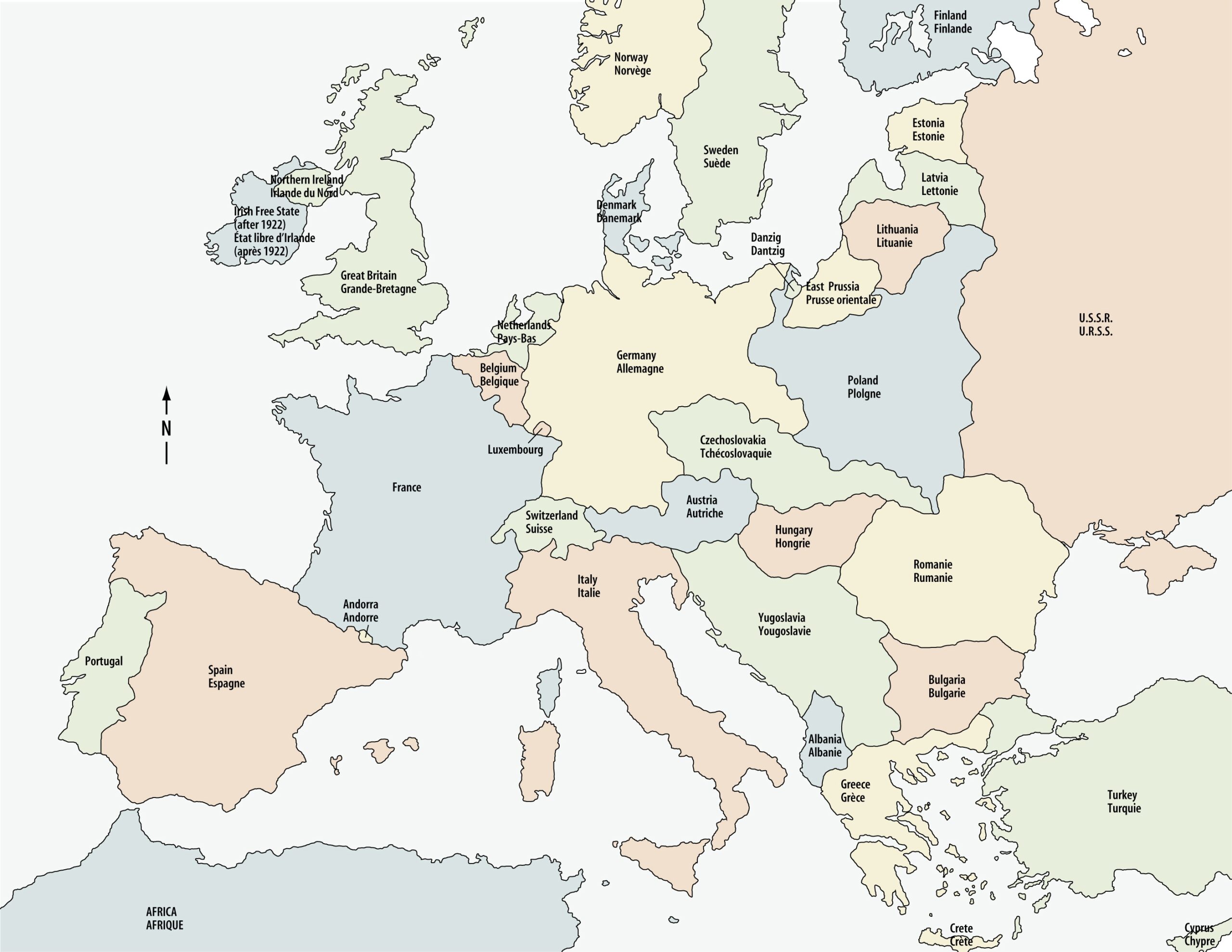
Maps Europe After The First World War Canada And The First World War
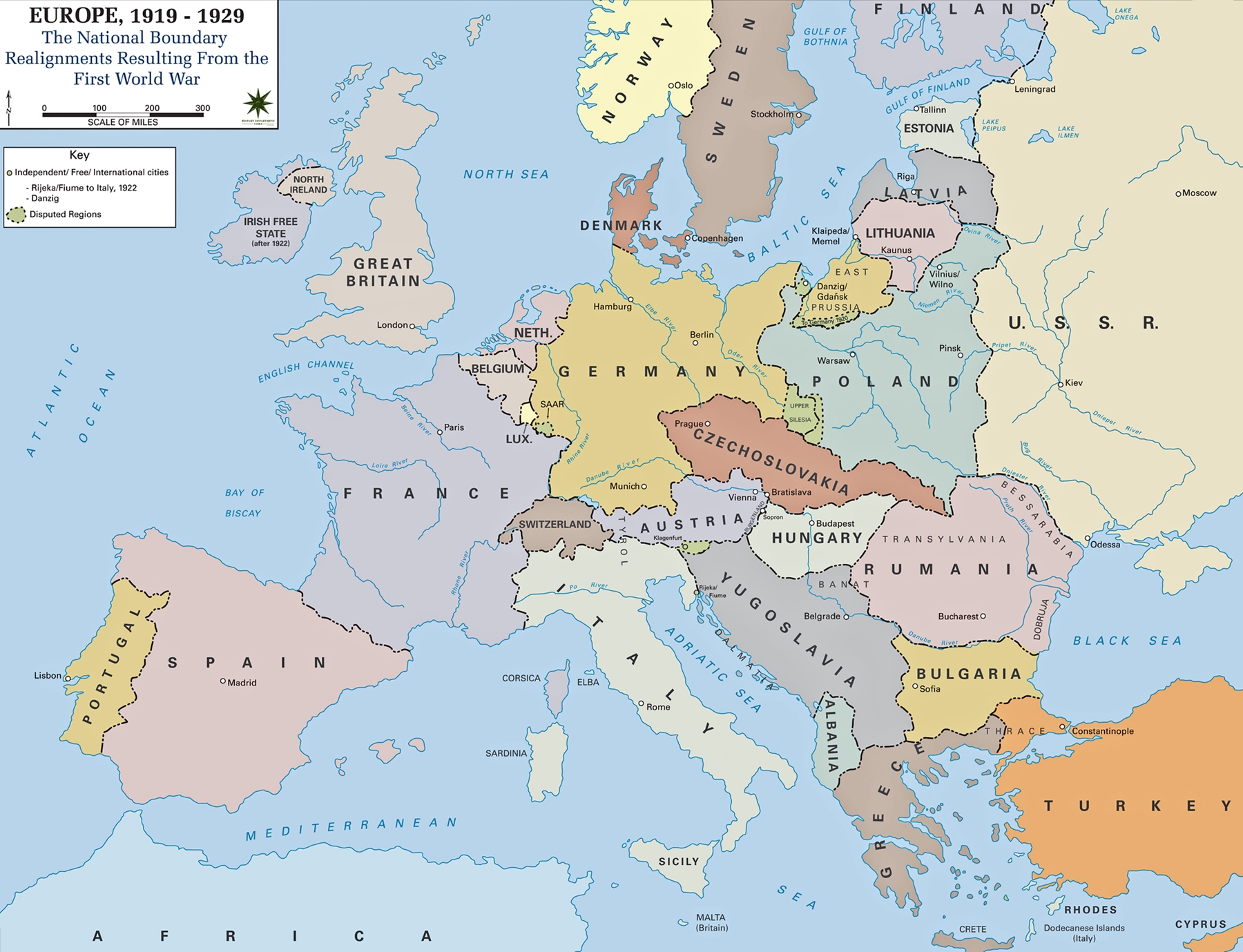
Map Of Europe In 1919
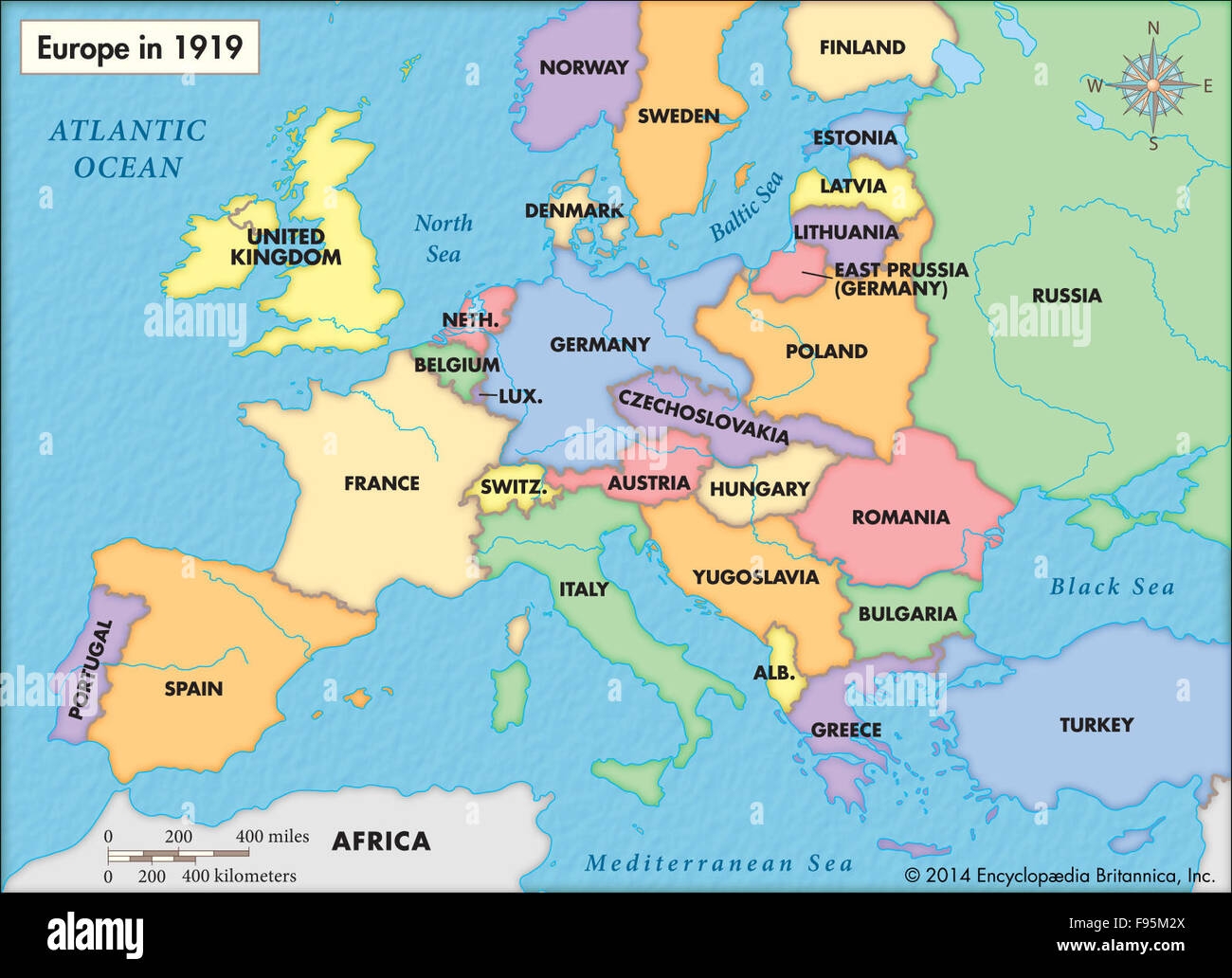
Europe In 1919 After World War I Stock Photo Alamy
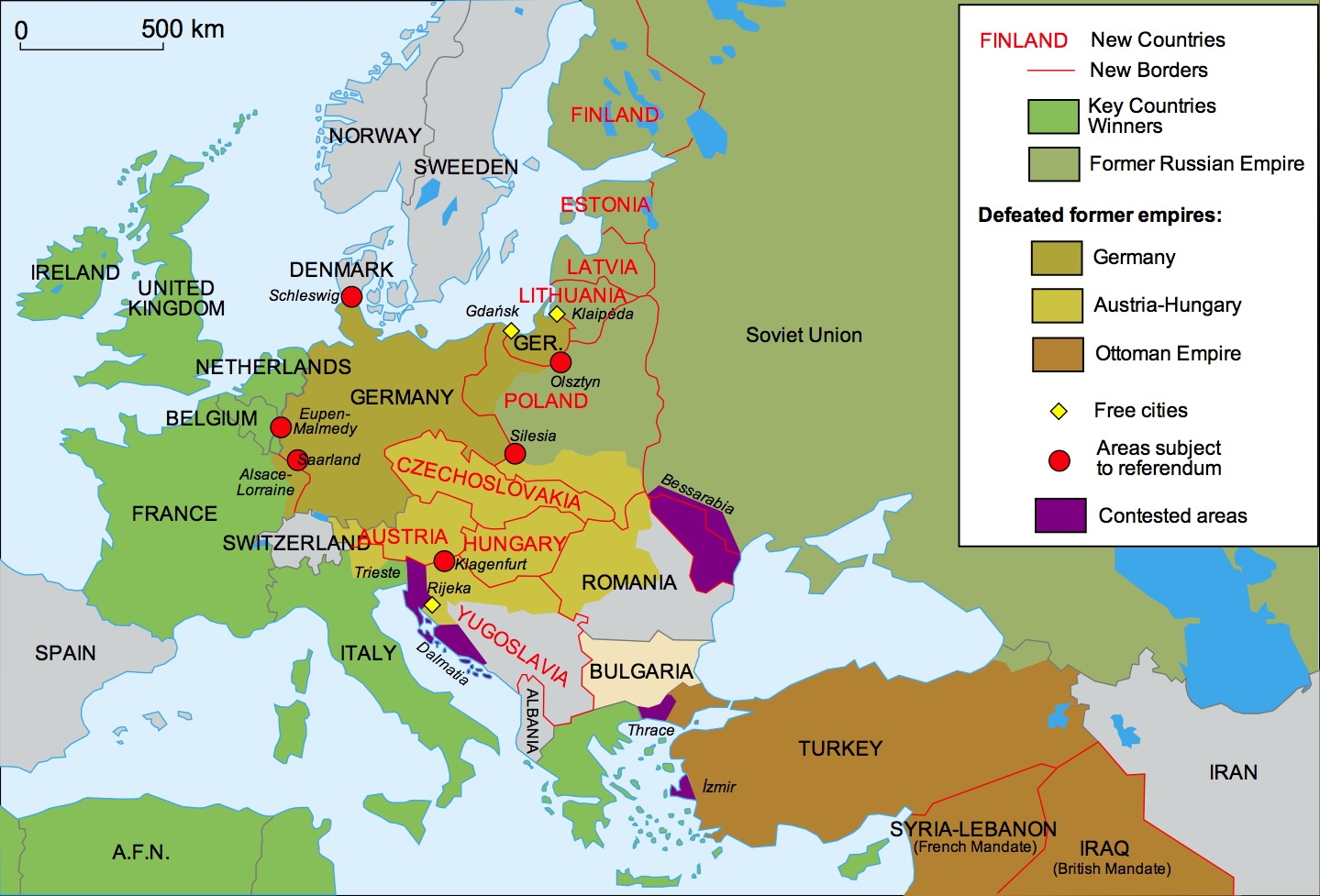
American Victory Map Of Europe Made After The End Of WW 1 Showing Roughly What Should Be Borders Of New States Vivid Maps