Have you ever looked at a world map and noticed the grid of imaginary lines running across it? These lines are known as latitude and longitude lines, and they help us pinpoint specific locations on Earth.
Latitude lines run horizontally, measuring how far north or south a location is from the equator. Longitude lines, on the other hand, run vertically, indicating how far east or west a place is from the Prime Meridian.
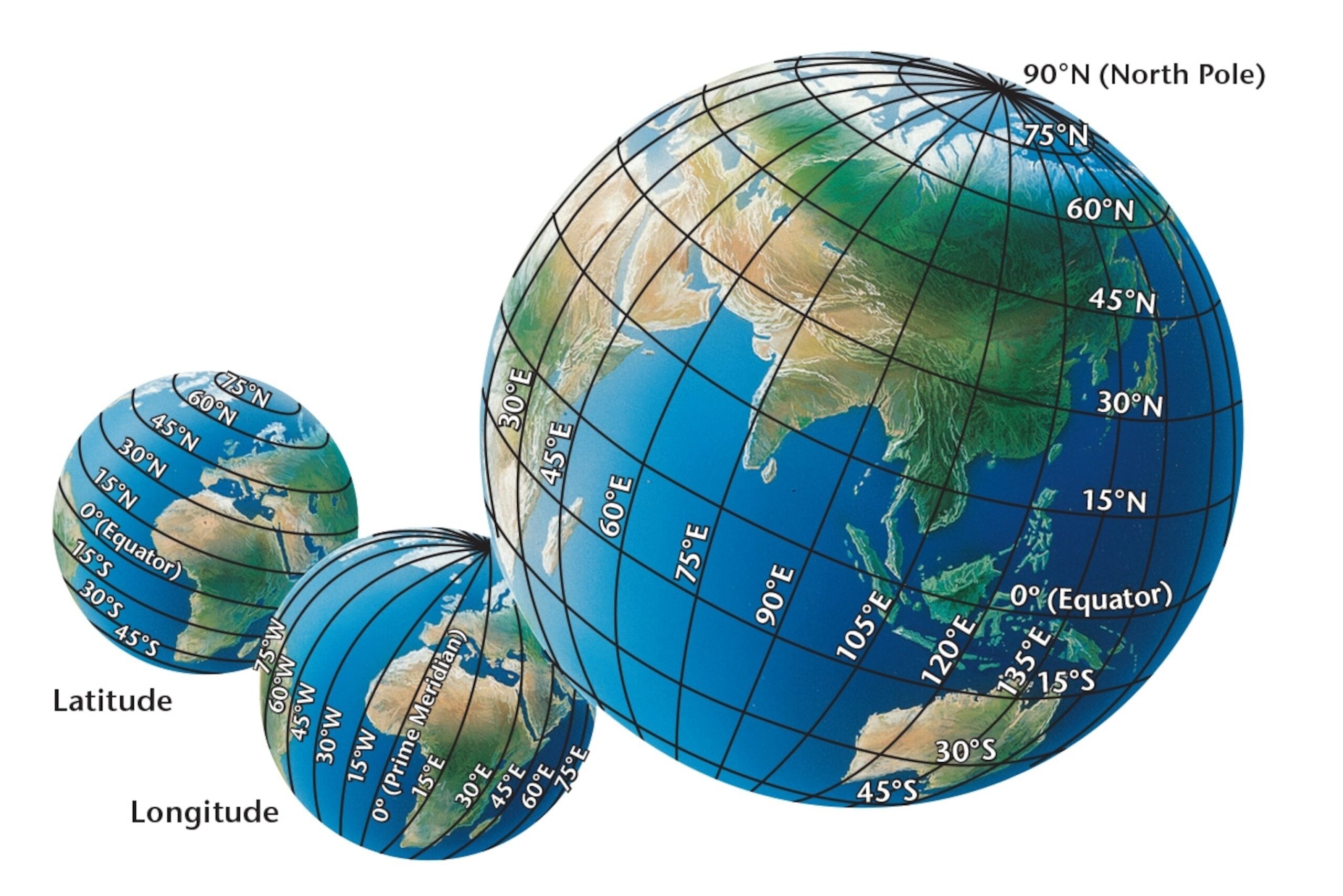
world map latitude longitude lines
Exploring the World Map Latitude Longitude Lines
By using latitude and longitude coordinates, you can precisely identify any spot on Earth. For example, the coordinates for the Eiffel Tower in Paris are approximately 48.8584° N latitude and 2.2945° E longitude.
These lines are essential for navigation, as they help sailors, pilots, and hikers determine their exact position. Without latitude and longitude lines, it would be challenging to navigate accurately across vast oceans or remote wilderness areas.
Additionally, latitude and longitude lines are crucial for creating accurate maps and charts. Cartographers use these coordinates to draw precise boundaries, plot cities, and indicate landmarks on maps, making them invaluable tools for understanding the world around us.
So, the next time you look at a world map, take a moment to appreciate the intricate grid of latitude and longitude lines that help us navigate our planet with ease. These invisible markers play a significant role in how we explore and understand the world we live in.
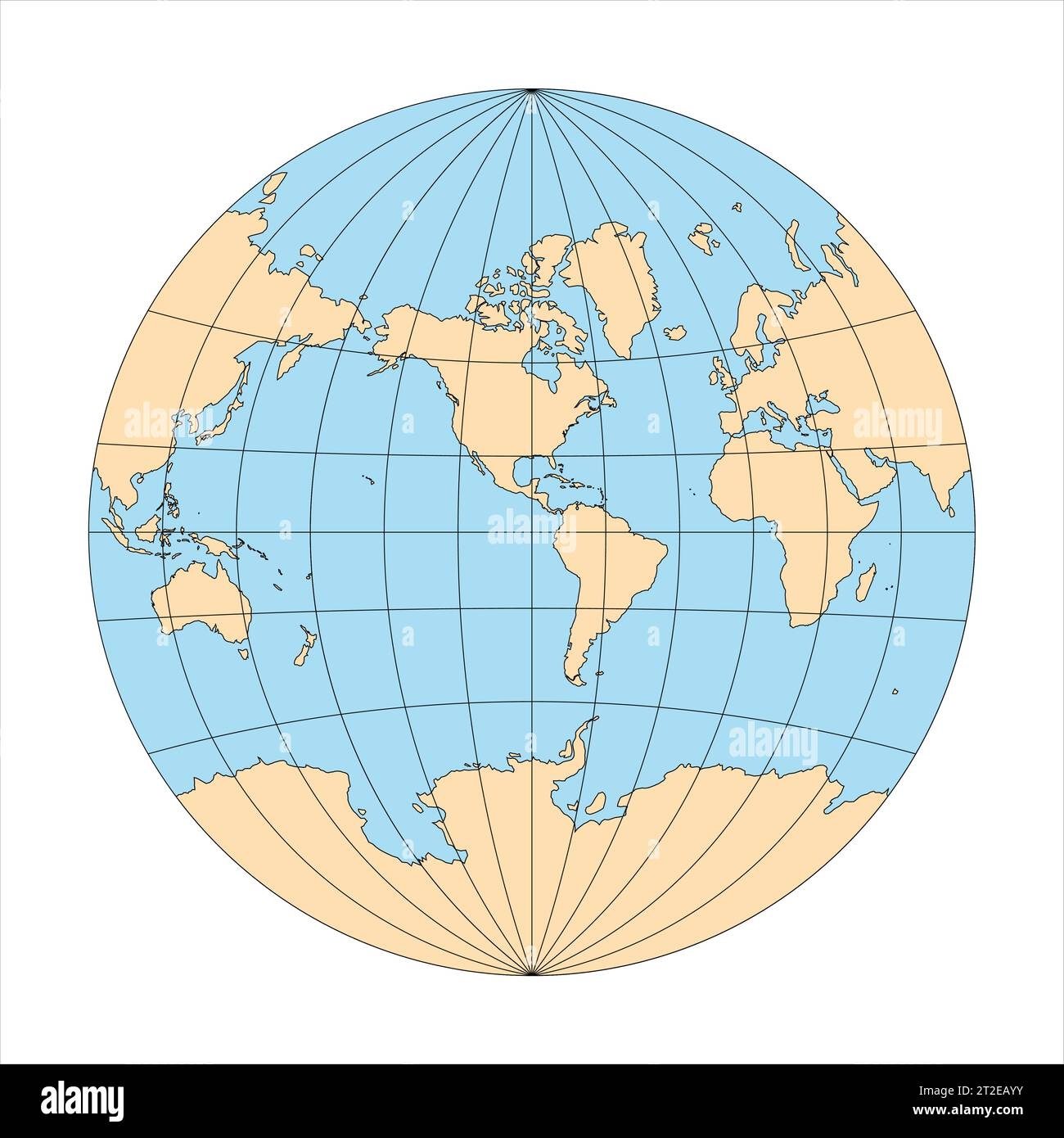
World Map Latitude Longitude Hi res Stock Photography And Images Alamy
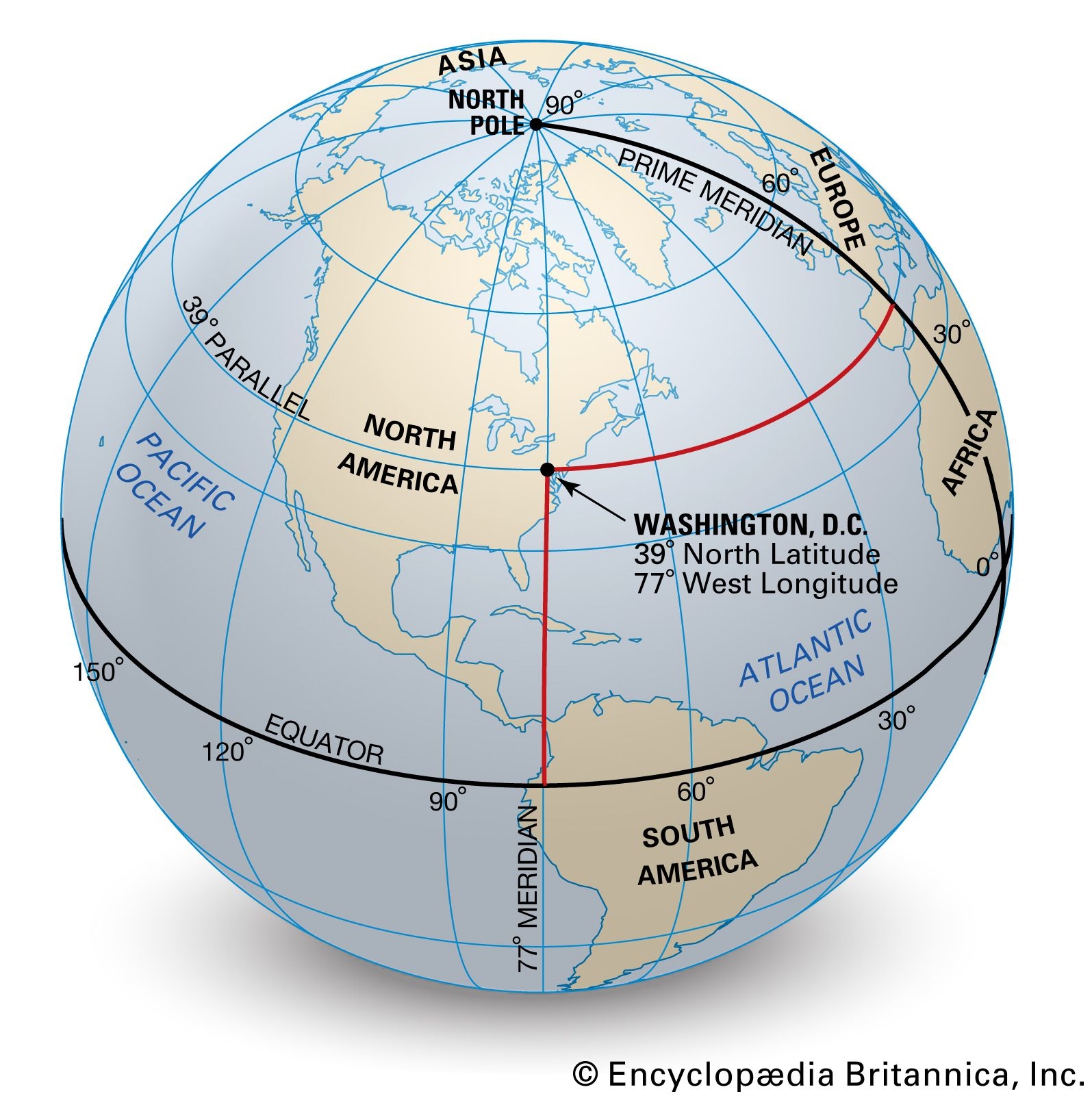
Latitude And Longitude Definition Examples Diagrams Facts Britannica
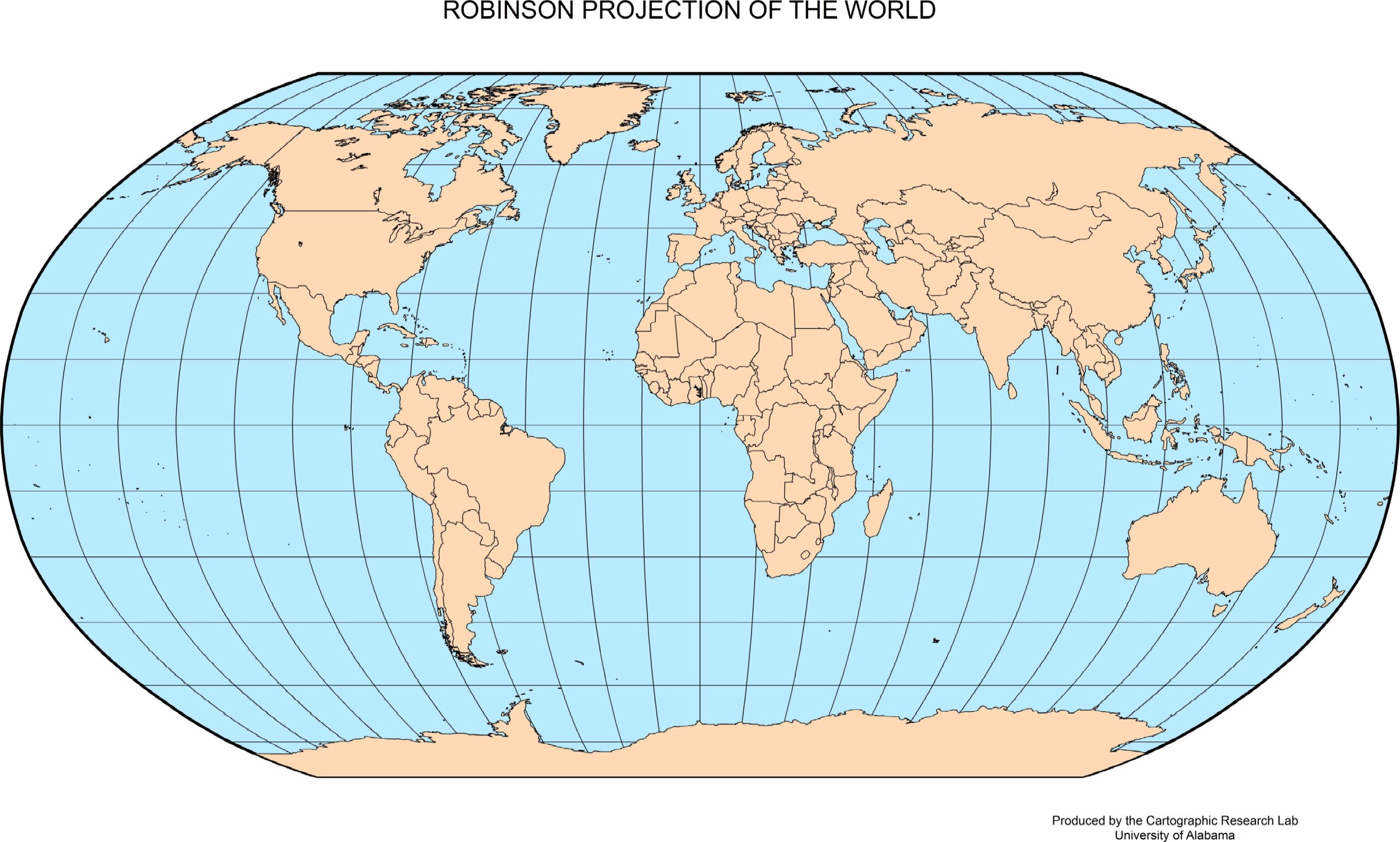
Maps Of The World
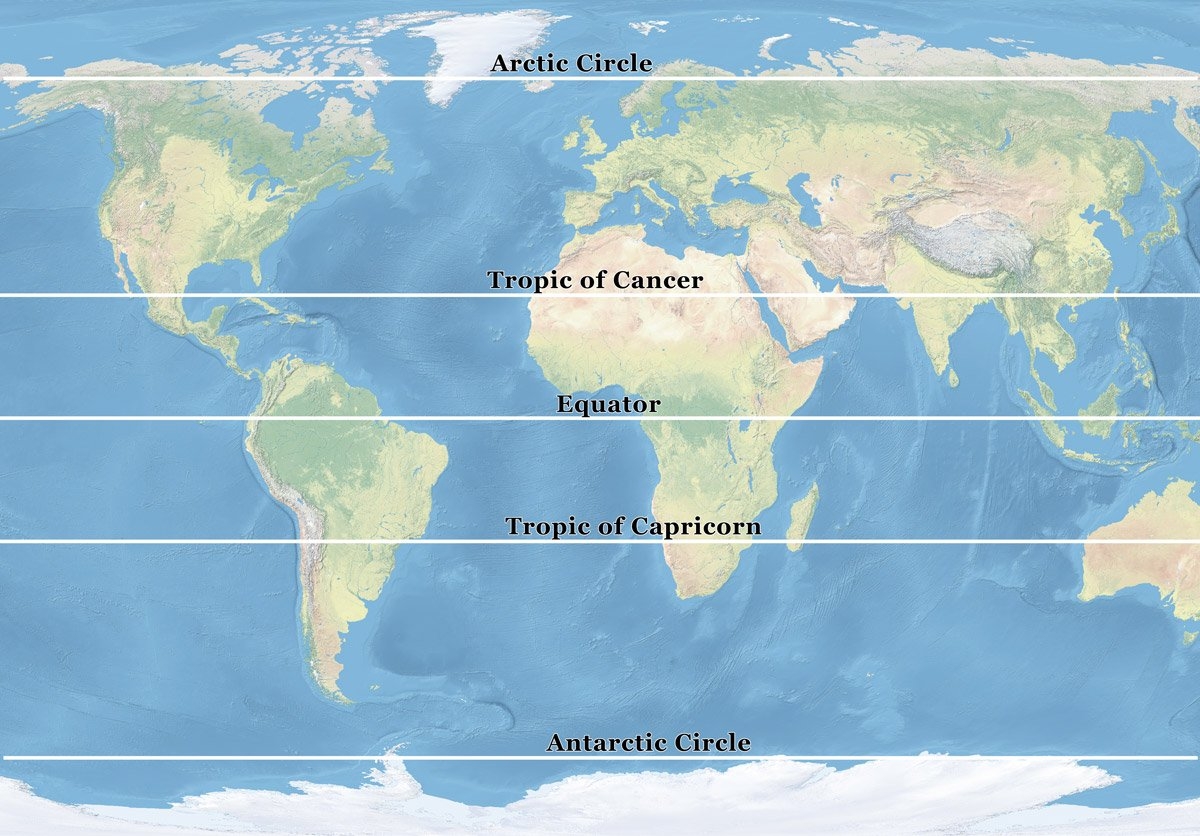
Latitude And Longitude Explained How To Read Geographic Coordinates Geography Realm
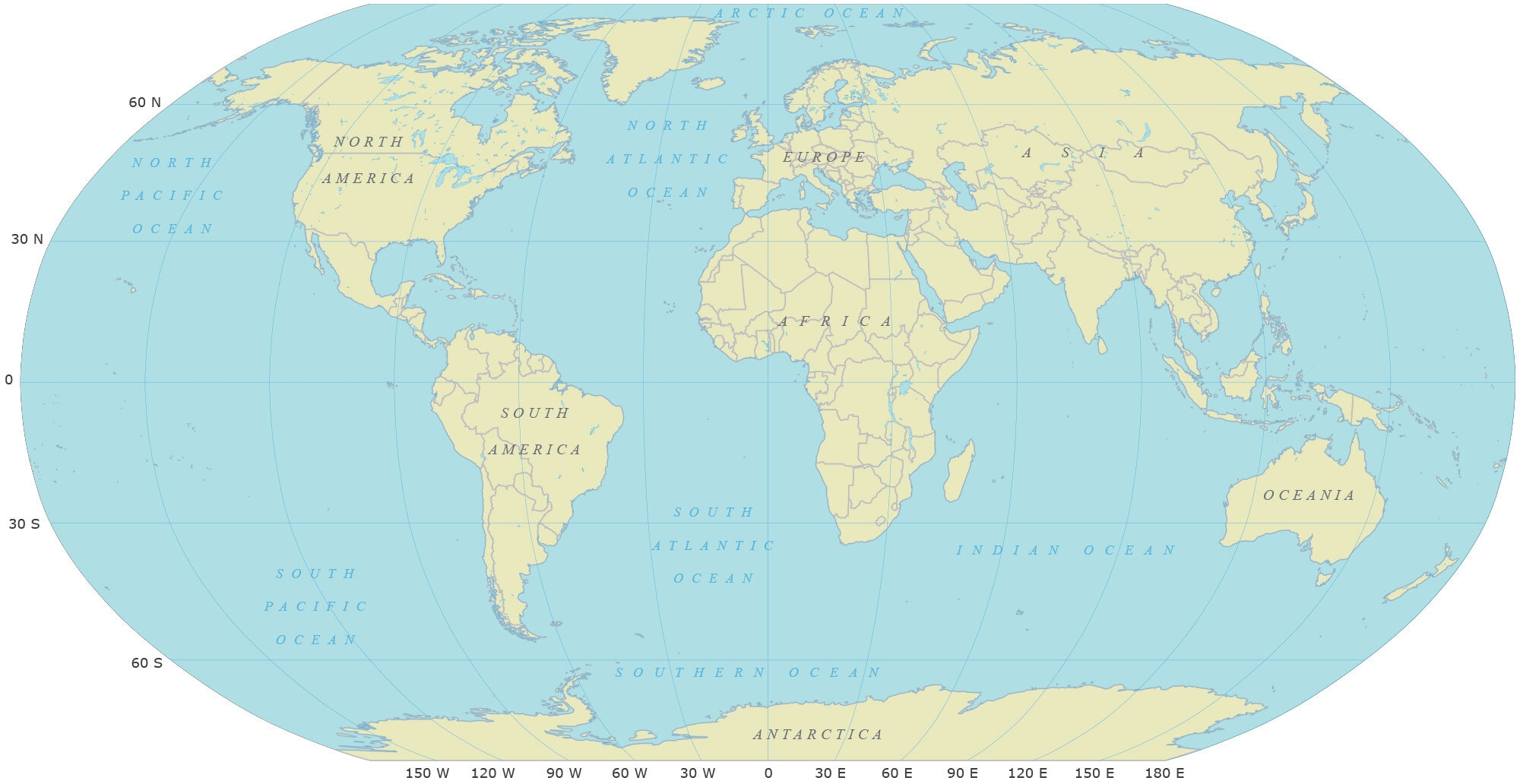
World Map With Latitudes And Longitudes GIS Geography