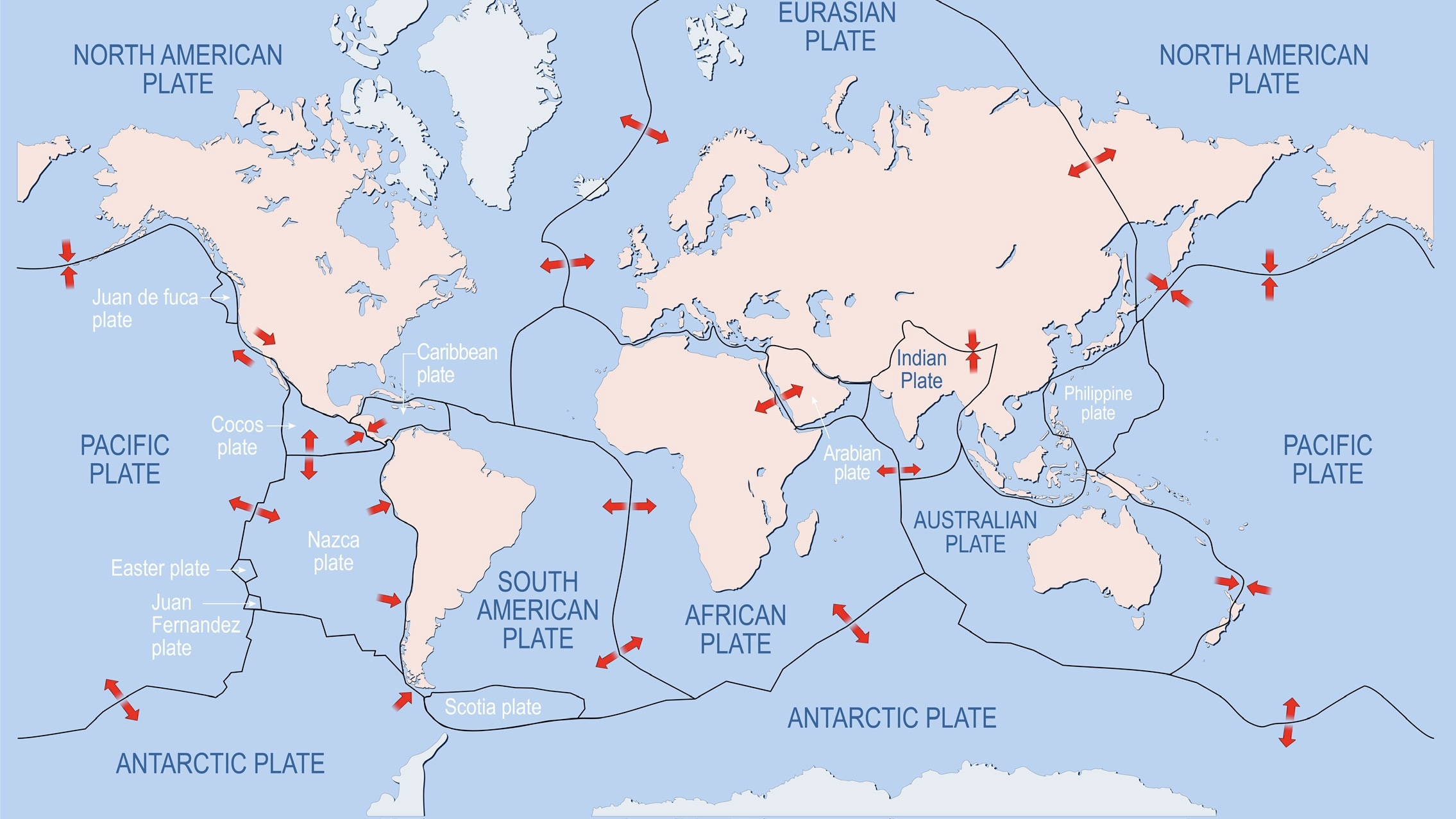
Have you ever wondered about the world’s plate margins and how they shape our planet? Plate margins are where tectonic plates meet, leading to various geological phenomena like earthquakes and volcanoes.
Exploring a world plate margins map can provide valuable insights into the Earth’s dynamic processes. By studying these boundaries, scientists can better understand the forces that drive continental drift and shape our landscapes.
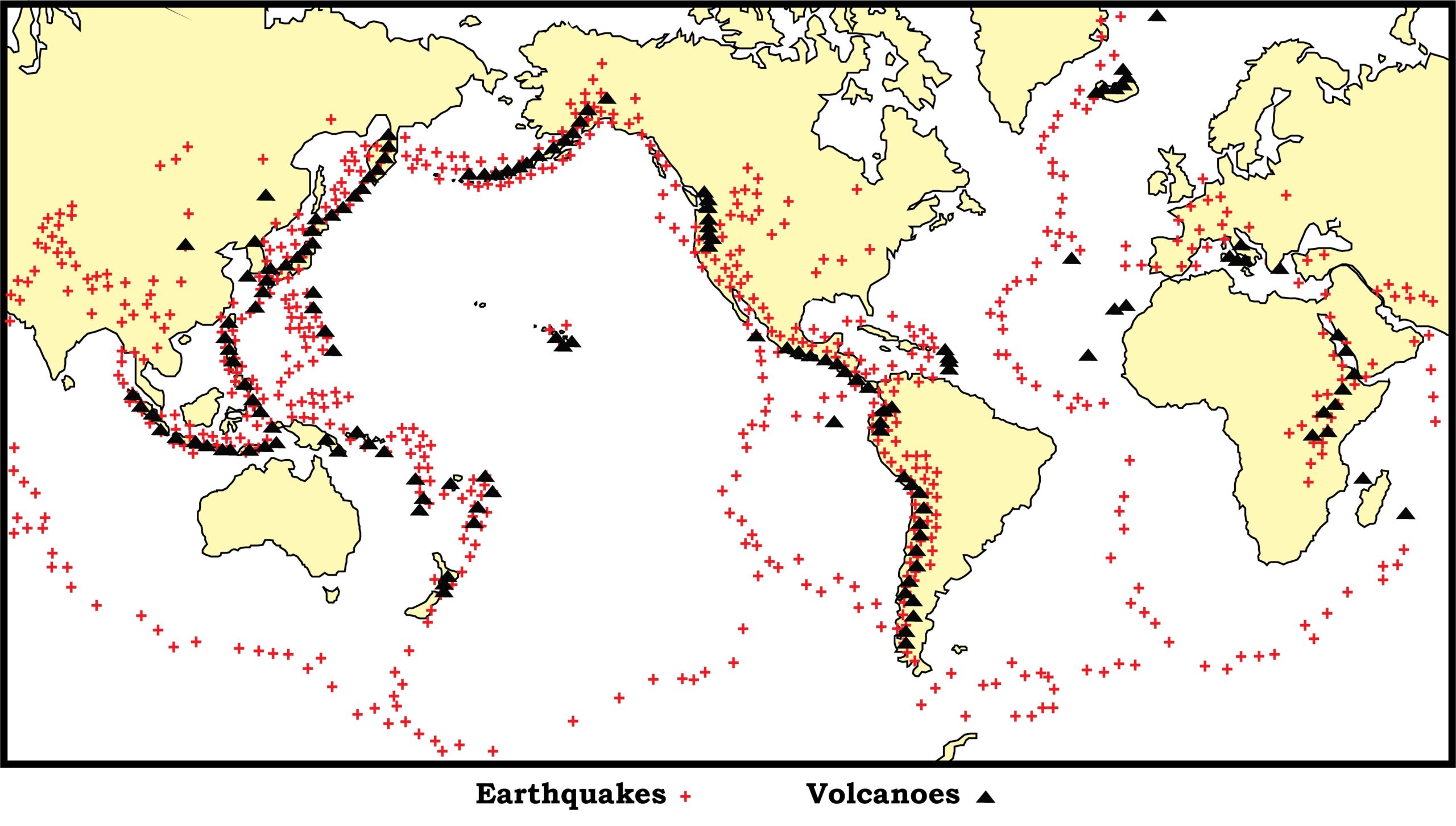
world plate margins map
Unveiling the Mysteries of Plate Margins with a World Plate Margins Map
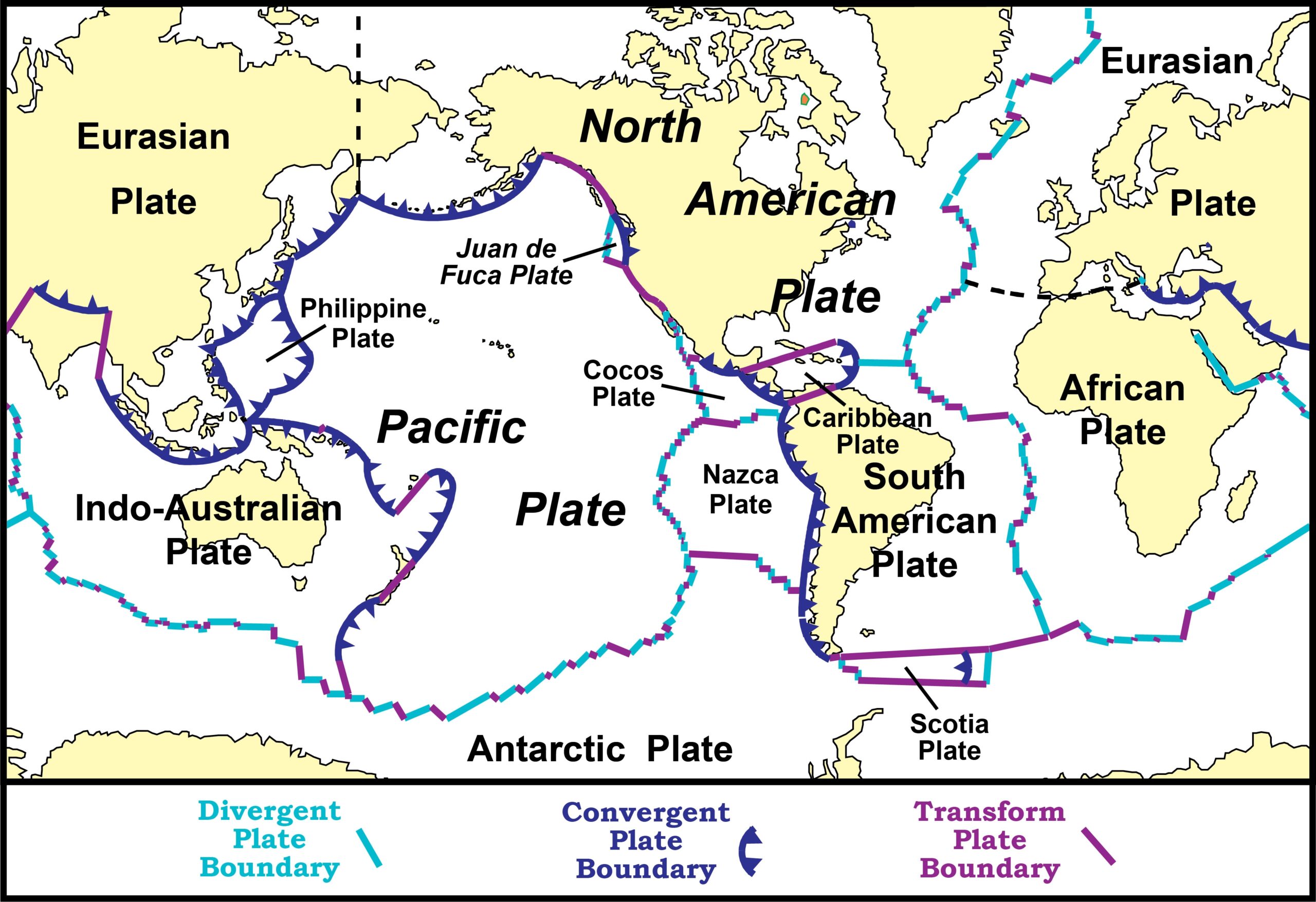
There are three main types of plate margins: convergent, divergent, and transform boundaries. Convergent boundaries occur when plates collide, leading to the formation of mountain ranges and deep-sea trenches.
On the other hand, divergent boundaries occur when plates move away from each other, creating rift valleys and mid-ocean ridges. Transform boundaries involve plates sliding past each other horizontally, causing earthquakes along fault lines.
By studying a world plate margins map, we can see how these different types of boundaries interact and influence each other. This knowledge is crucial for predicting and mitigating natural disasters like earthquakes and volcanic eruptions.
Next time you look at a world plate margins map, remember that beneath the surface lies a dynamic world of shifting tectonic plates and geological wonders. It’s a reminder of the incredible forces at work shaping our planet every day.
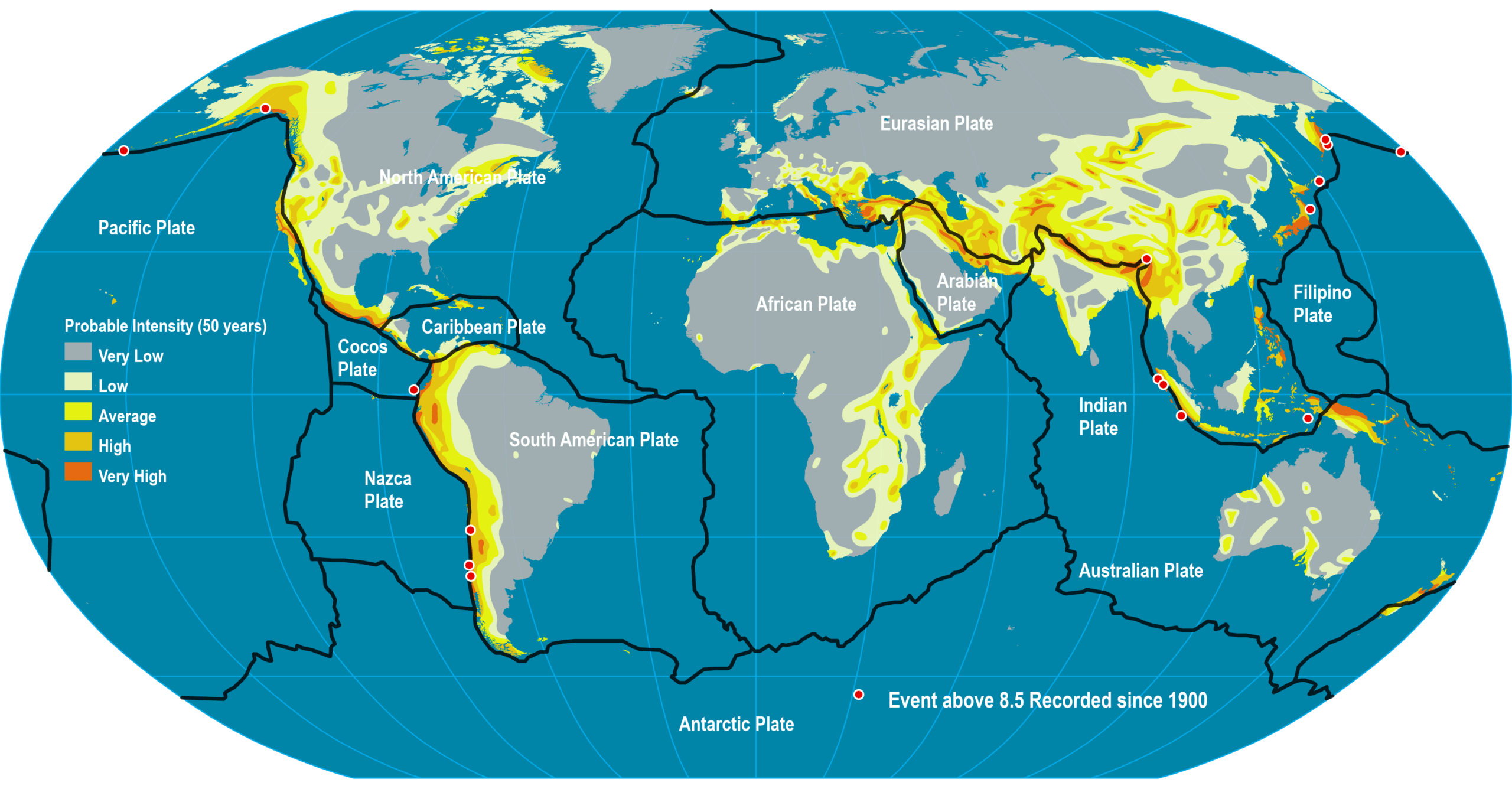
Global Plate Tectonics And Seismic Activity The Geography Of Transport Systems
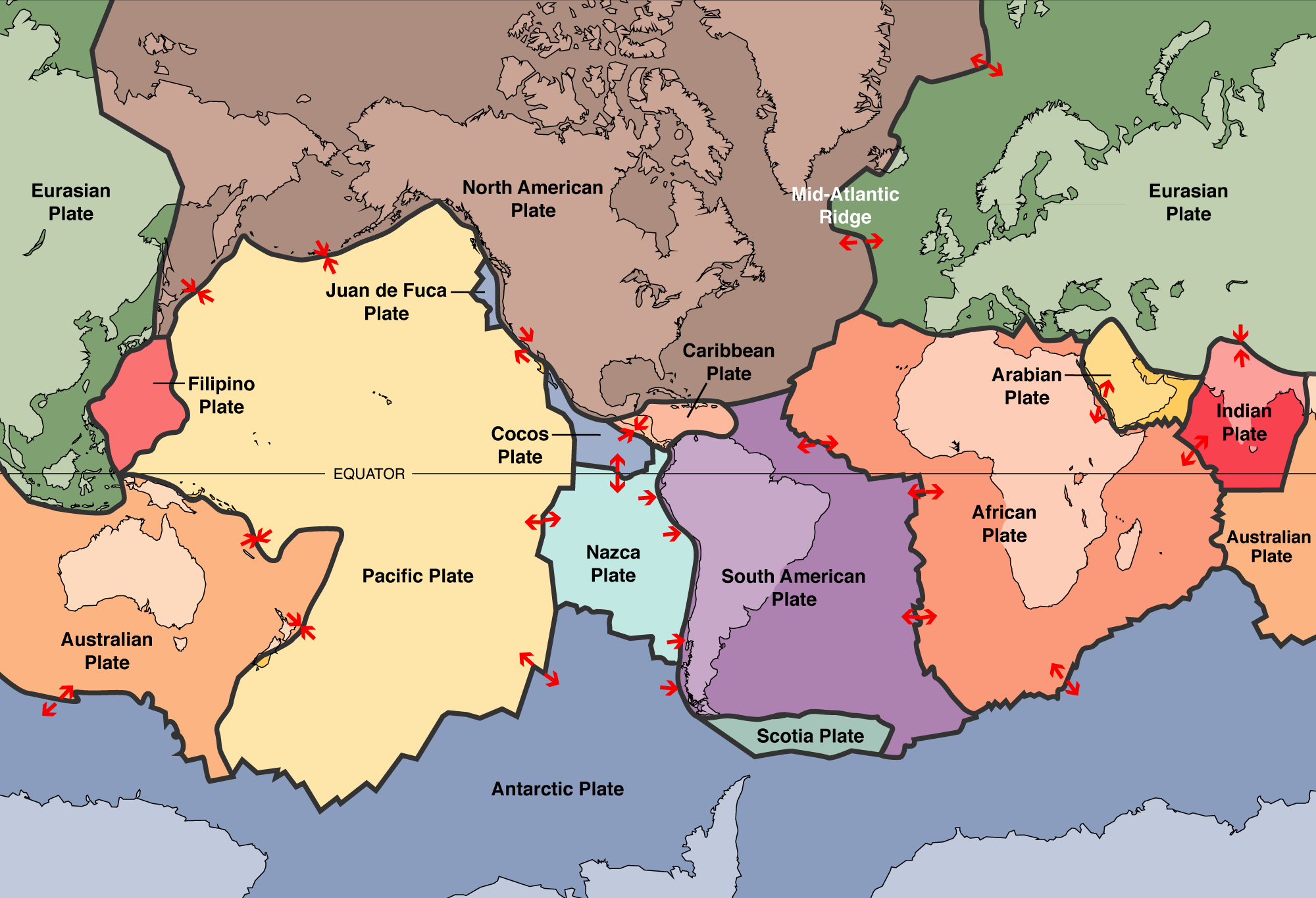
Introduction To Plate Tectonics Earth Home
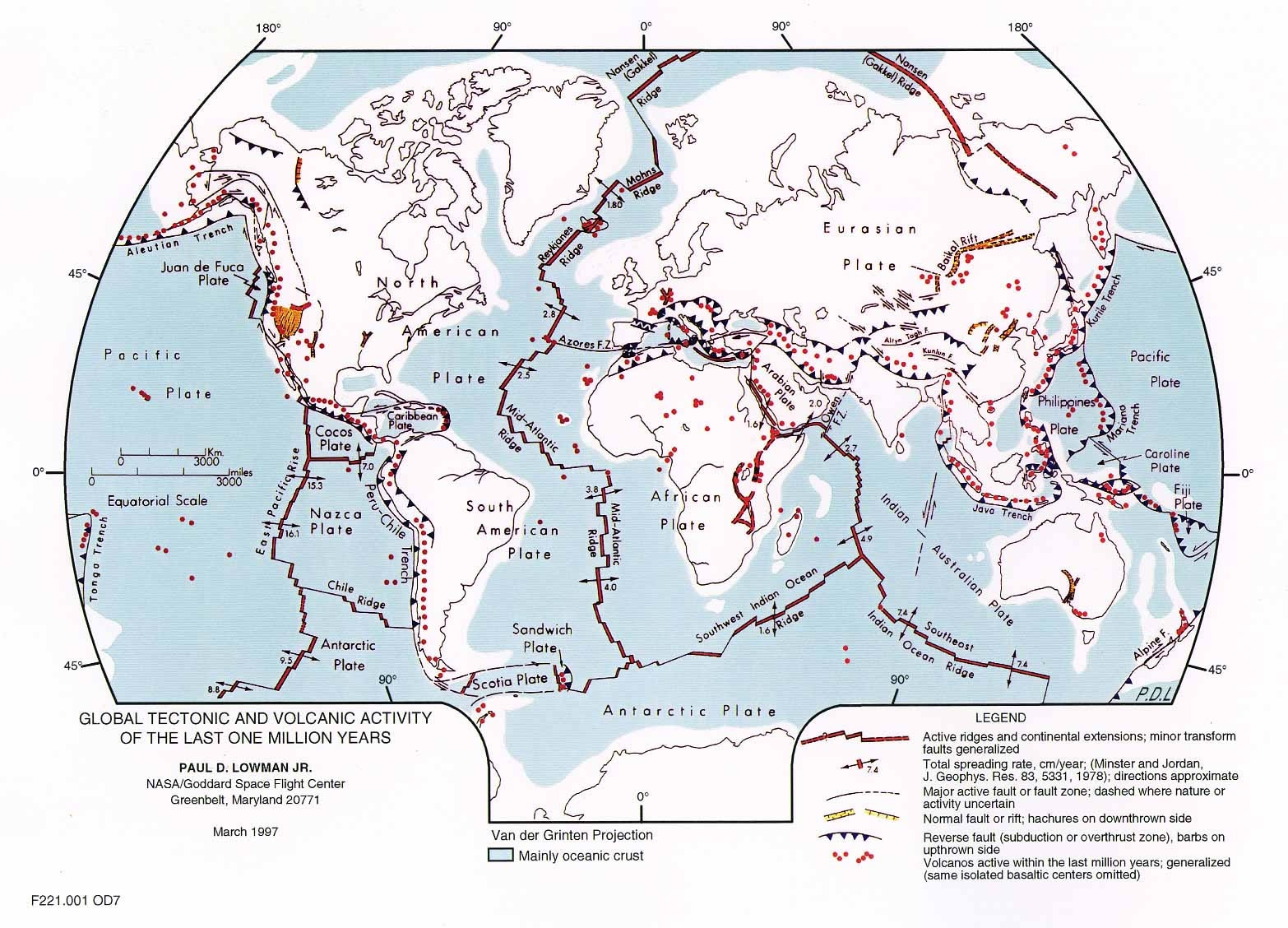
Plate Tectonics Map Plate Boundary Map
How Many Tectonic Plates Does Earth Have Live Science
Evidence Of Plate Motions Geology U S National Park Service