World War II in Africa was a pivotal moment in history, shaping the course of the war and the future of the continent. The conflict involved a complex interplay of political, military, and social factors that had far-reaching consequences.
One of the key elements of the war in Africa was the use of maps to strategize and navigate the challenging terrain. The World War 2 Africa map played a crucial role in helping commanders plan their movements and anticipate enemy actions.
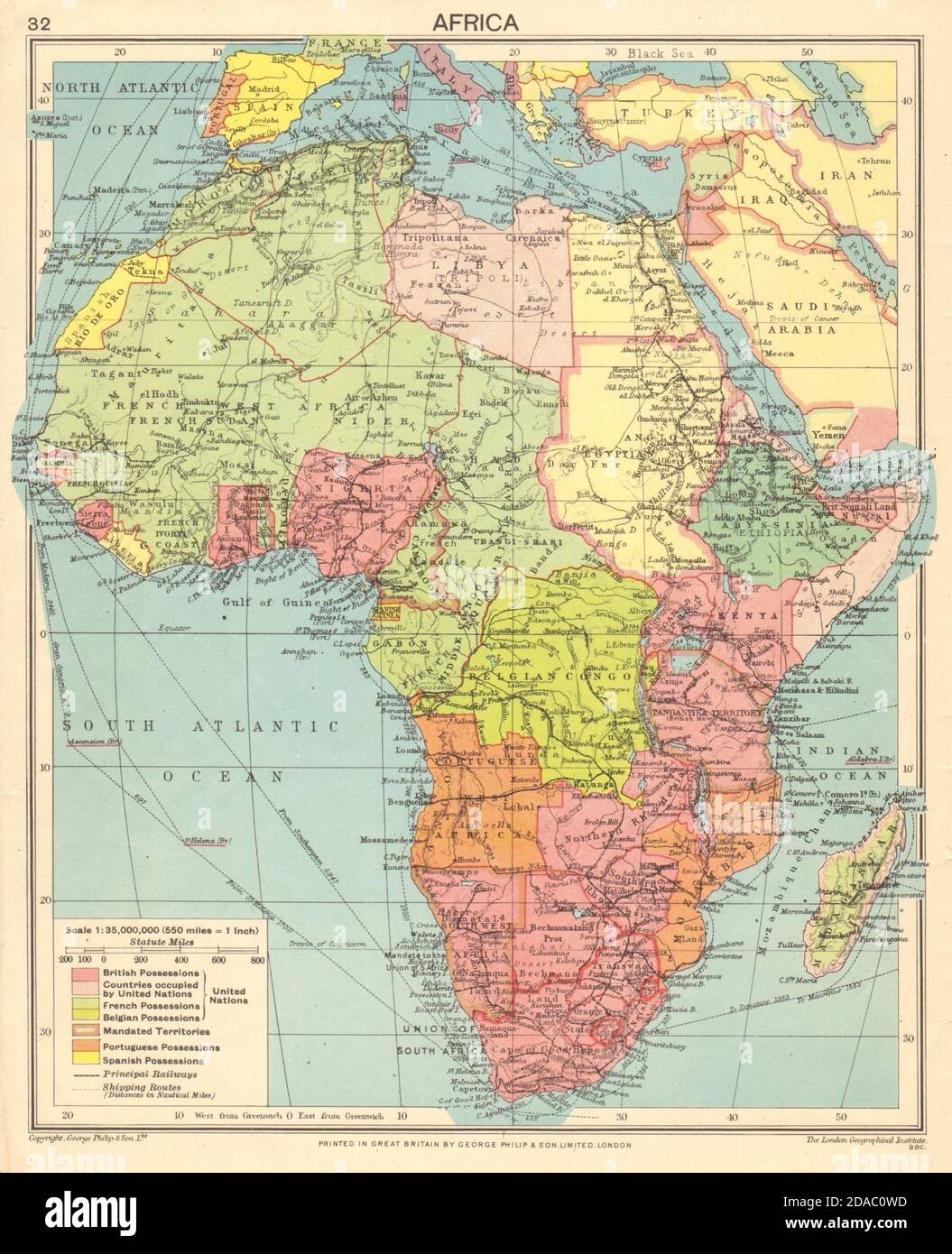
world war 2 africa map
Exploring the World War 2 Africa Map
The North African campaign, also known as the Desert War, saw battles fought across the deserts of Egypt, Libya, and Tunisia. The rugged landscape presented unique challenges for both Axis and Allied forces, with shifting sands and extreme temperatures testing their resolve.
Control of key locations such as Tobruk, El Alamein, and the Suez Canal was hotly contested, with both sides deploying their best troops and equipment to gain the upper hand. The World War 2 Africa map was a vital tool in coordinating these complex maneuvers and ensuring strategic objectives were met.
As the war in Africa raged on, the importance of the World War 2 Africa map only grew. From the decisive battles of El Alamein to the Allied invasion of Sicily, maps played a central role in shaping the outcome of the conflict and determining the fate of nations.
In conclusion, the World War 2 Africa map was more than just a piece of paper – it was a powerful tool that helped determine the course of history. By studying these maps, we can gain a deeper understanding of the challenges and triumphs of this critical period in world history.
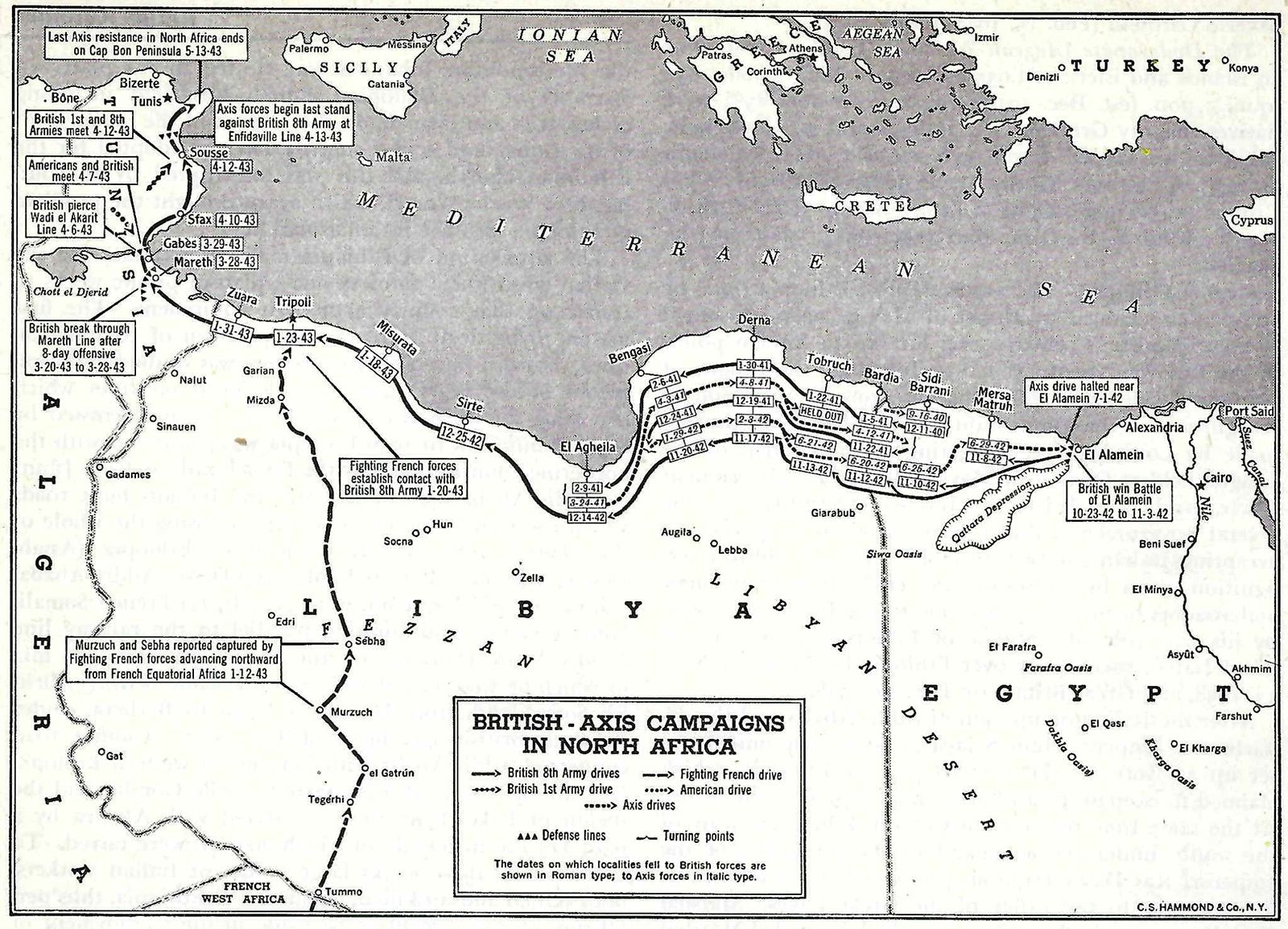
North Africa Campaigns Maps Battles Combatants Significance Britannica
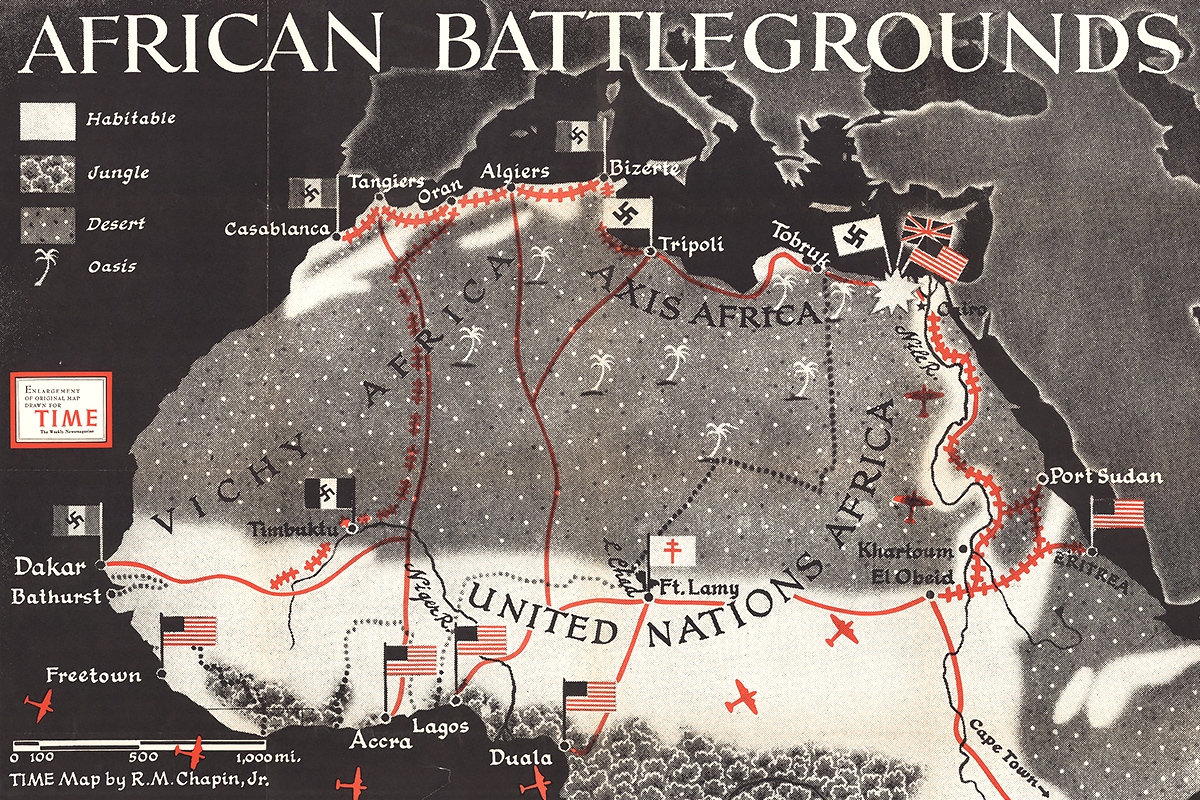
Mapping The Second World War In Africa Never Was
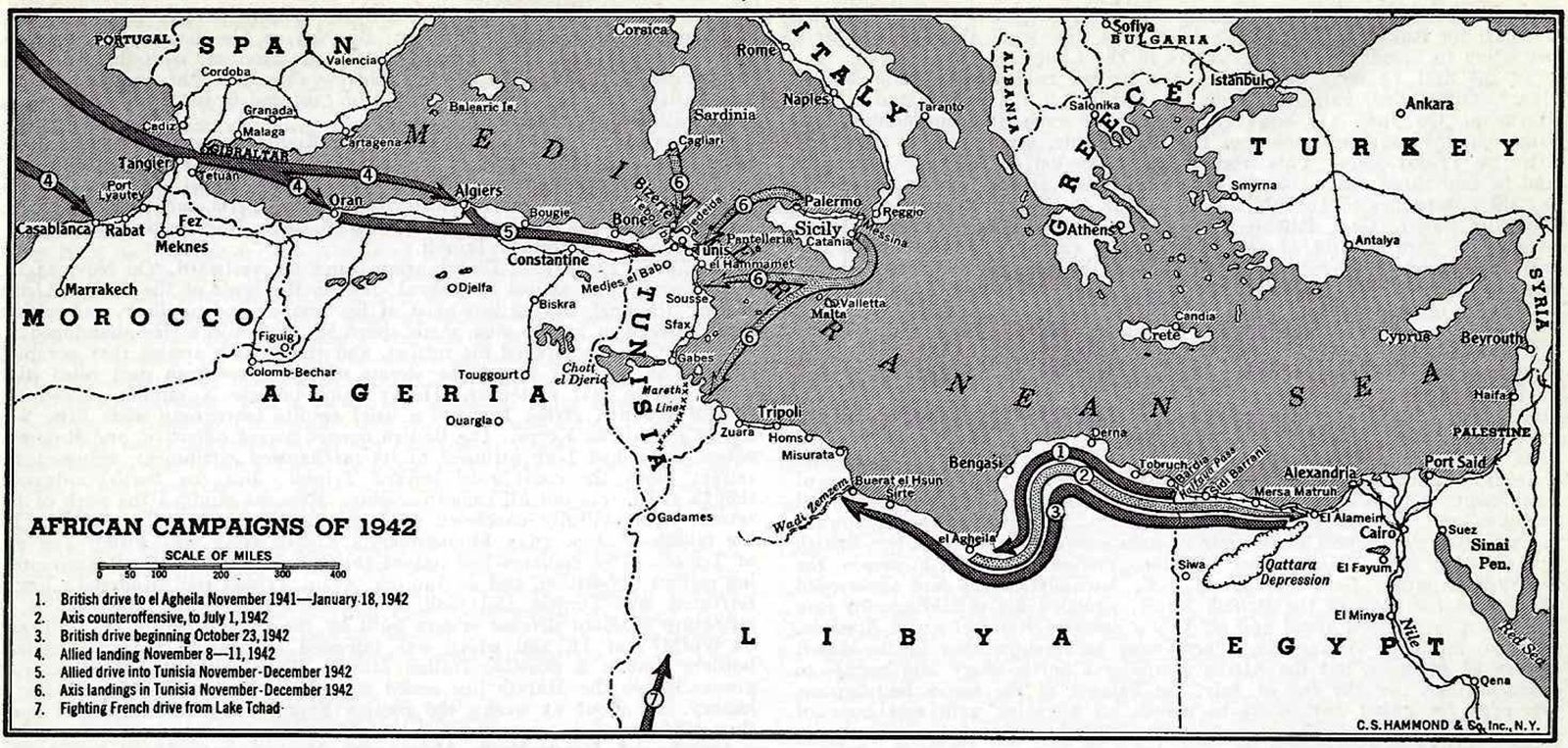
North Africa Campaigns Maps Battles Combatants Significance Britannica
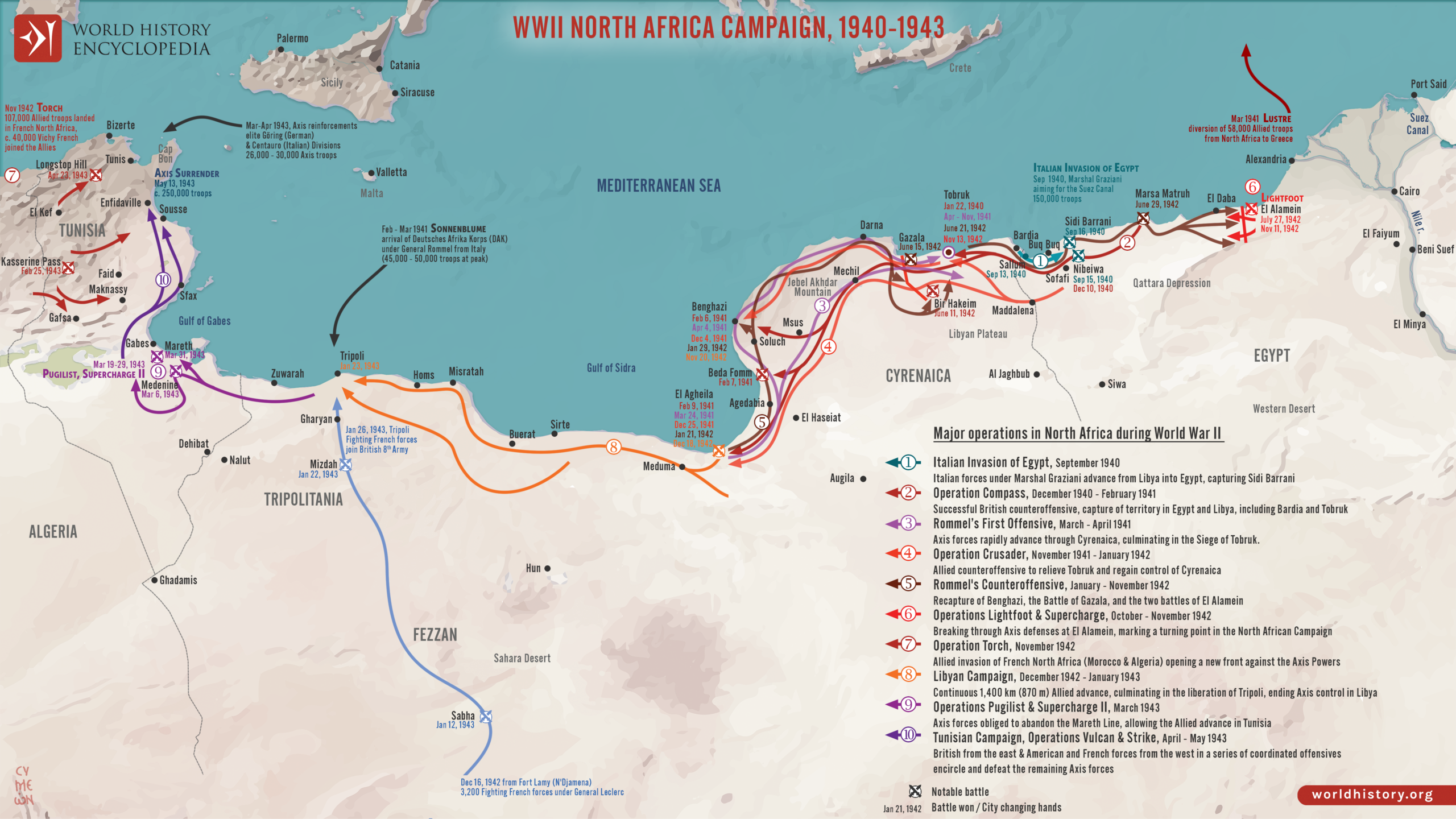
Map Of WWII North Africa Campaign 1940 1943 World History Encyclopedia
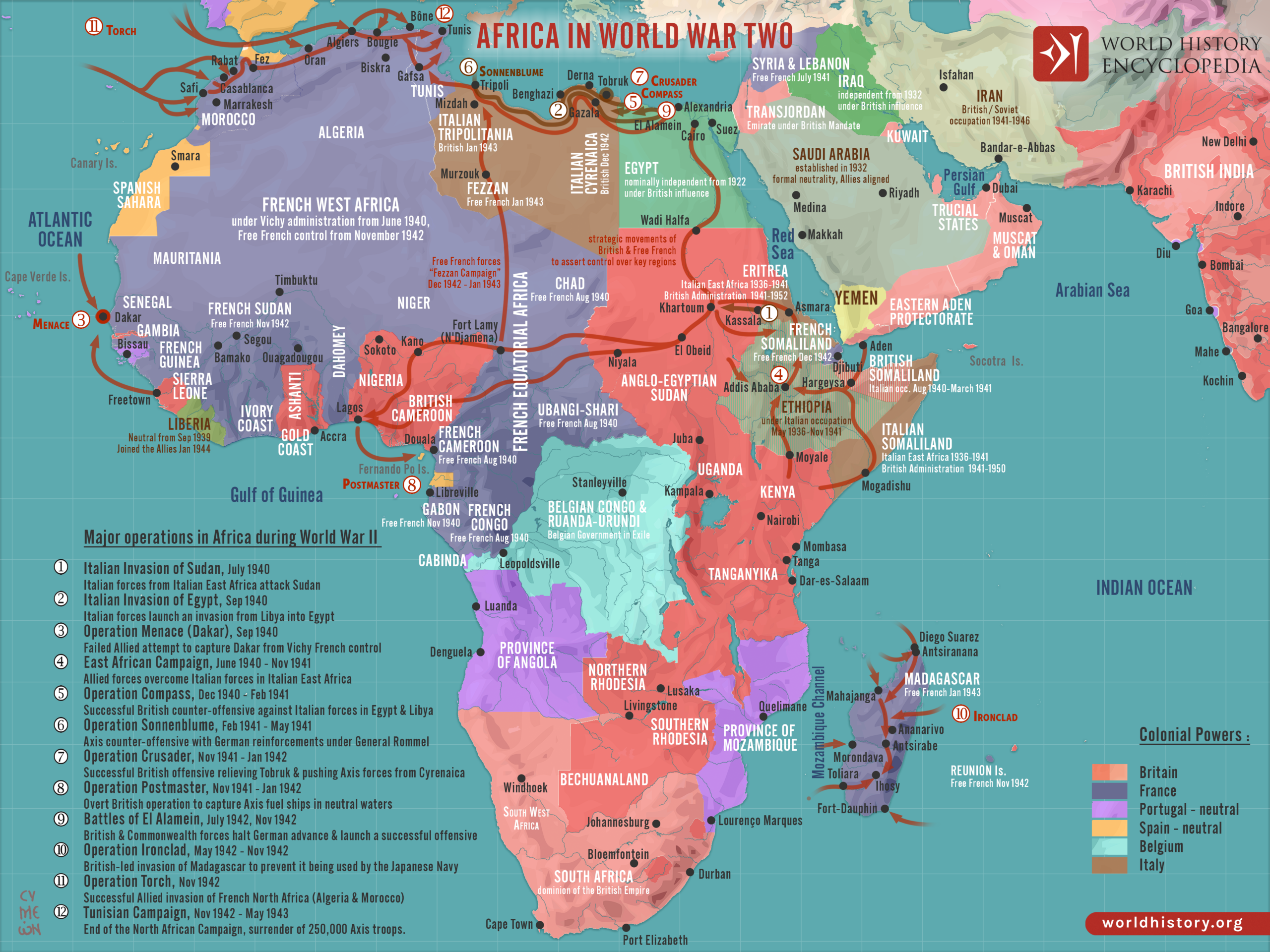
Africa In World War Two World History Encyclopedia