Have you ever wondered what the world looked like in 1945? The map of the world in that year tells a fascinating story of post-World War II dynamics and shifting borders.
As the dust settled after the end of the war, the world map underwent significant changes. Countries like Germany and Japan were left devastated, while new nations emerged from the ashes of colonialism.
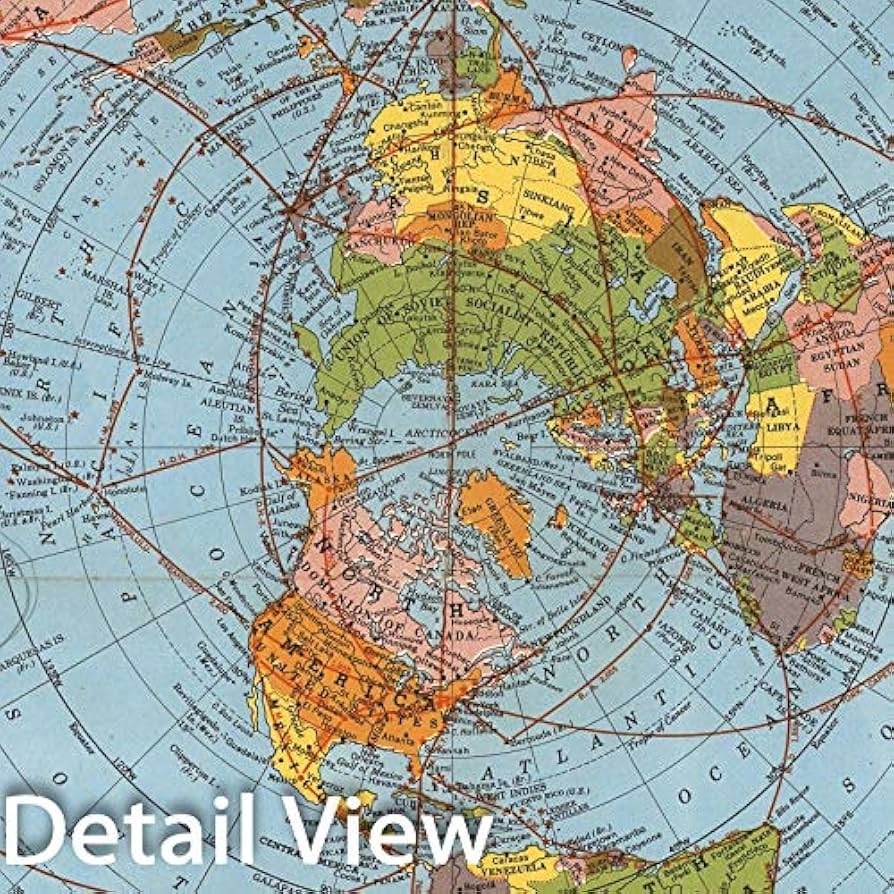
map of world 1945
The Map of World 1945: A Snapshot of History
Europe was divided by the Iron Curtain, separating the capitalist West from the communist East. The United Nations was established to promote peace and cooperation among nations, ushering in a new era of diplomacy and international relations.
In Asia, decolonization movements gained momentum, leading to the independence of countries like India and Indonesia. The Middle East saw the birth of Israel, marking a turning point in the region’s geopolitics.
Latin America was not immune to change, with countries asserting their independence and sovereignty. Africa too experienced decolonization, with many nations gaining freedom from European colonial powers.
Looking back at the map of the world in 1945, it serves as a reminder of the tumultuous events that shaped the modern world. The legacy of that year continues to influence global politics and society to this day.
So next time you glance at a map, take a moment to reflect on the historical significance of 1945. It was a year that reshaped the world in profound ways, leaving a lasting impact on generations to come.
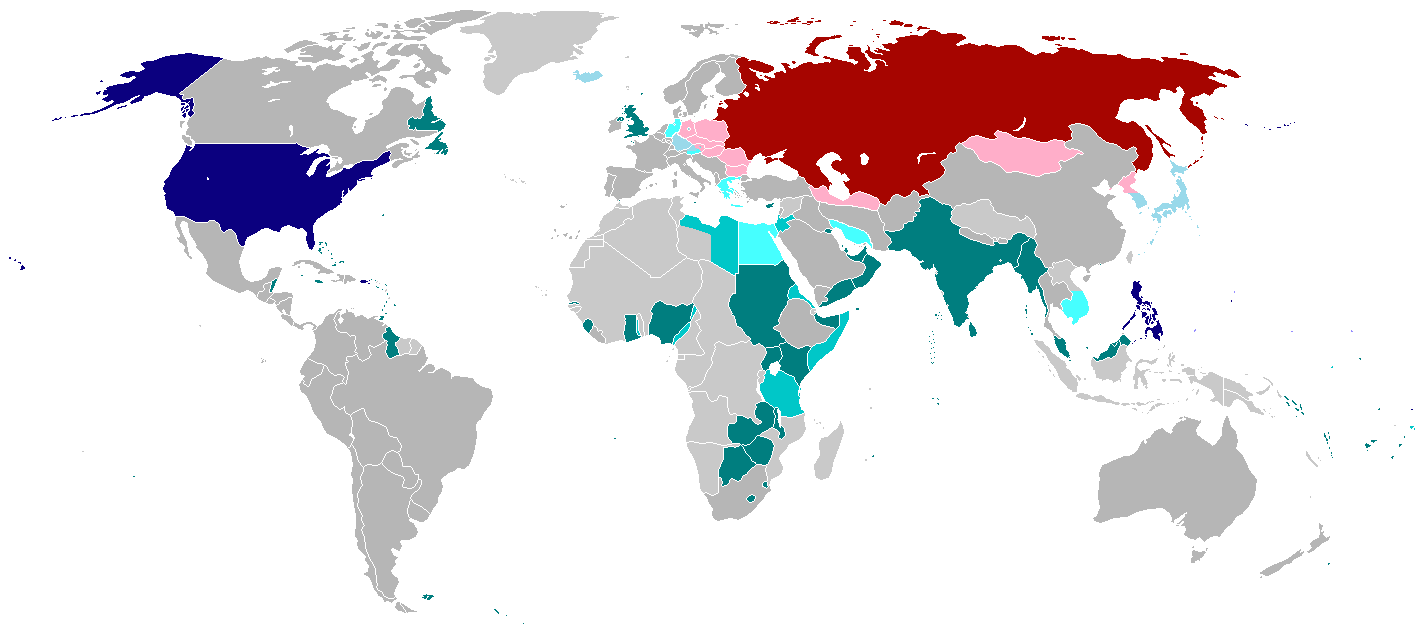
File Superpower Map 1945 png Wikimedia Commons
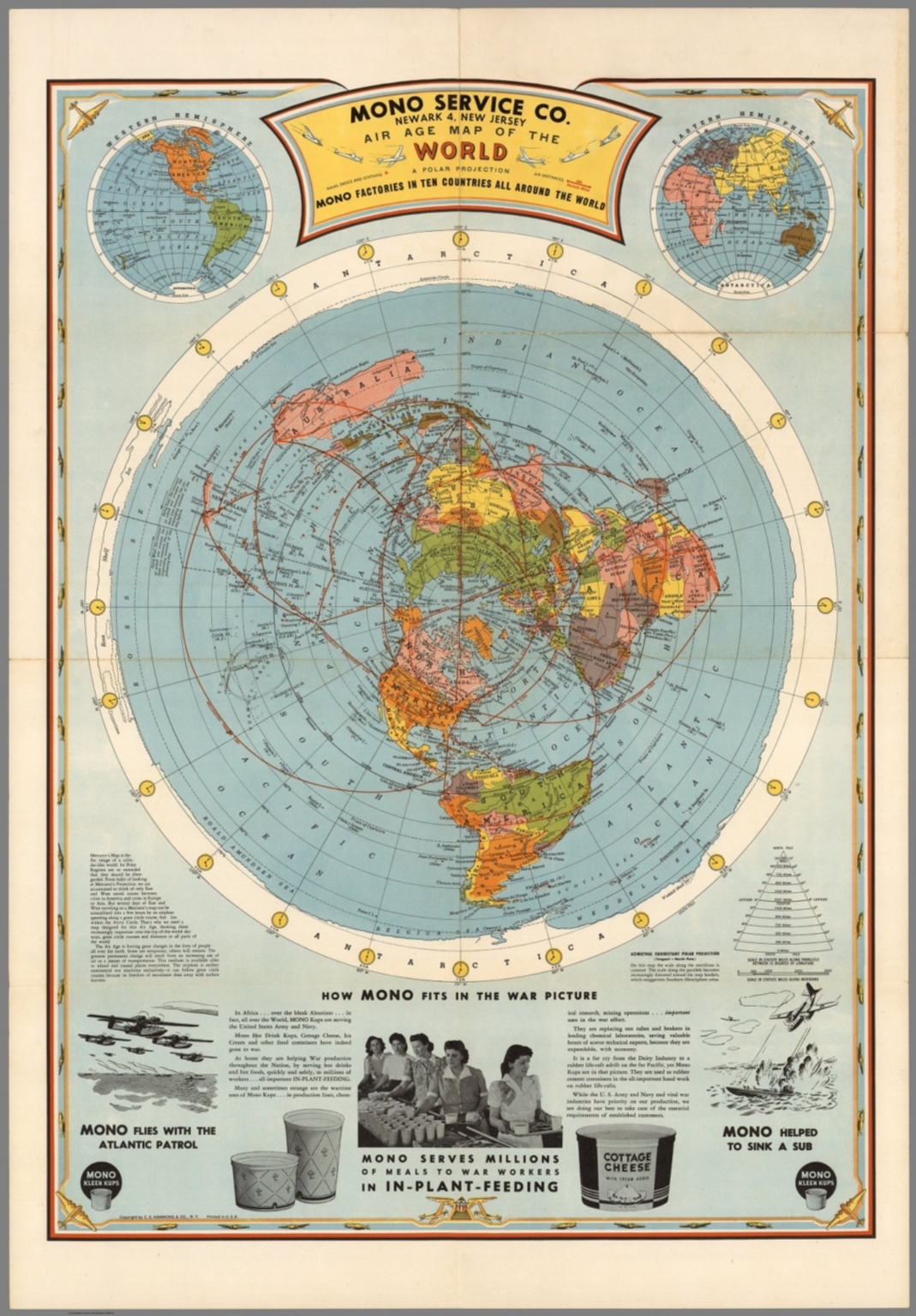
Air Age Map Of The World A Polar Projection David Rumsey Historical Map Collection
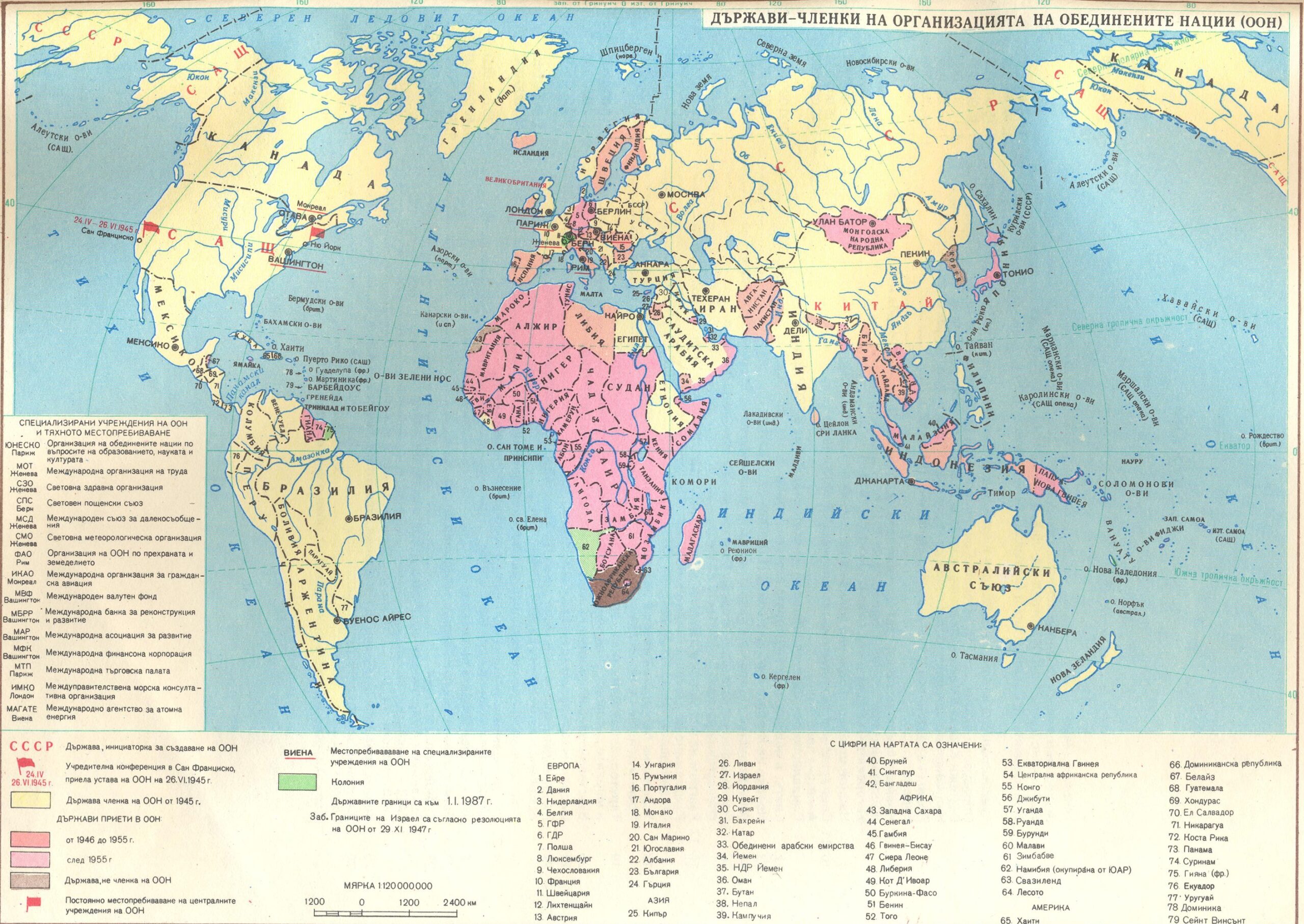
United Nations In 1945 HD Maps
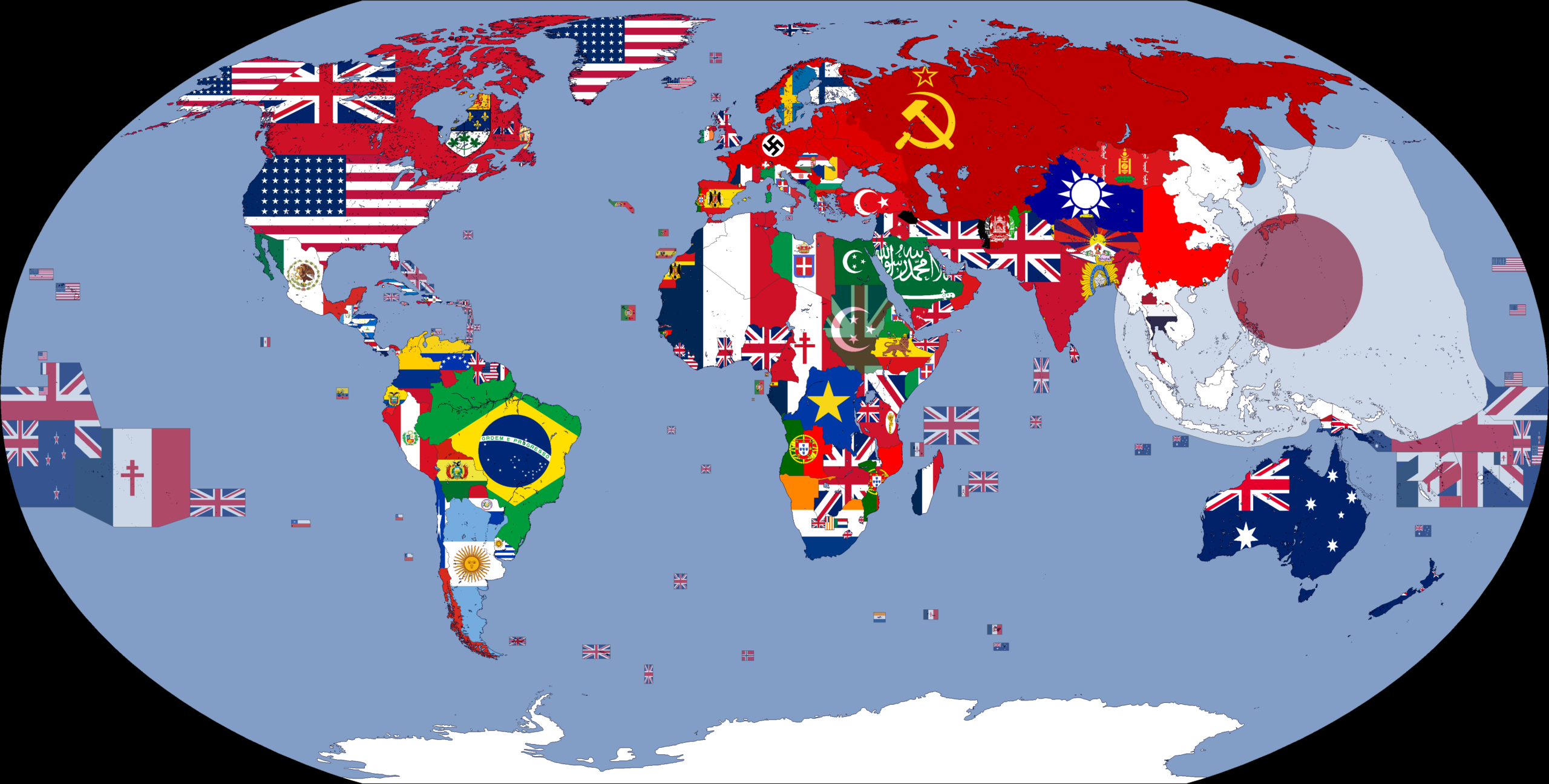
File Flag Map Of The World WWII png Wikimedia Commons
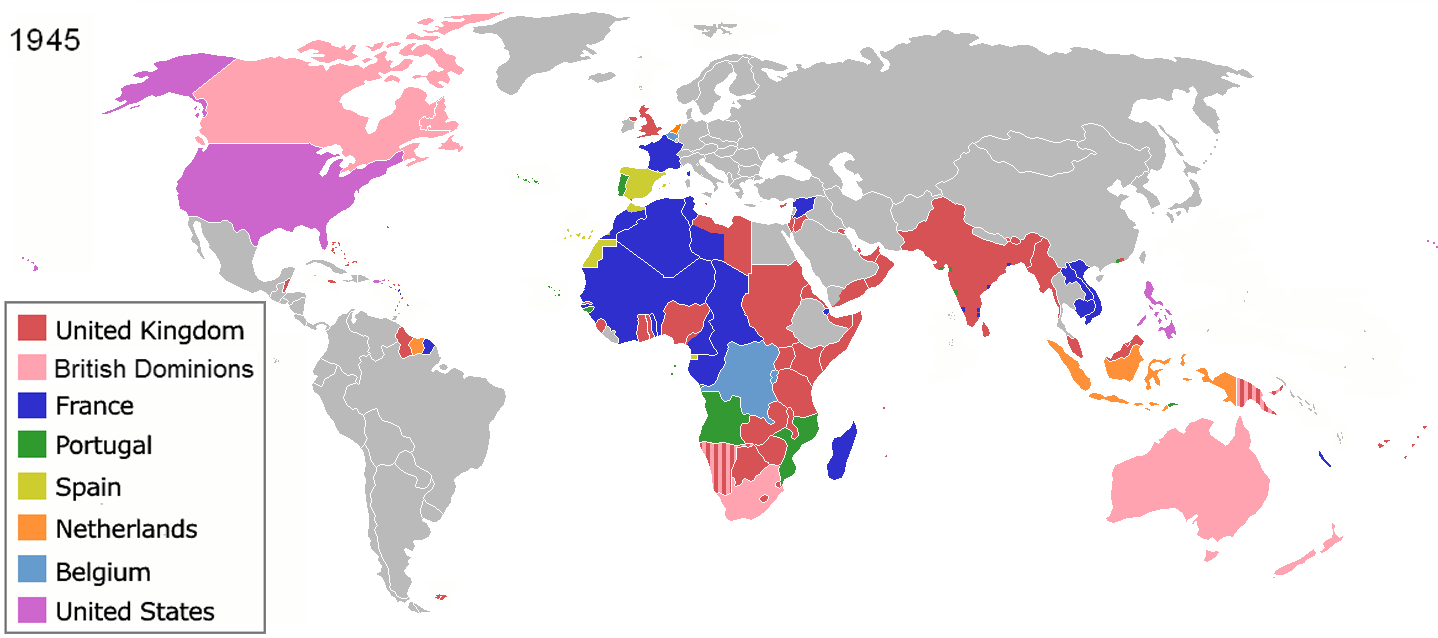
File Colonization 1945 png Wikimedia Commons